Voting for Love Through Song
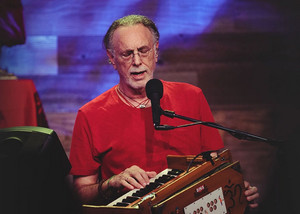
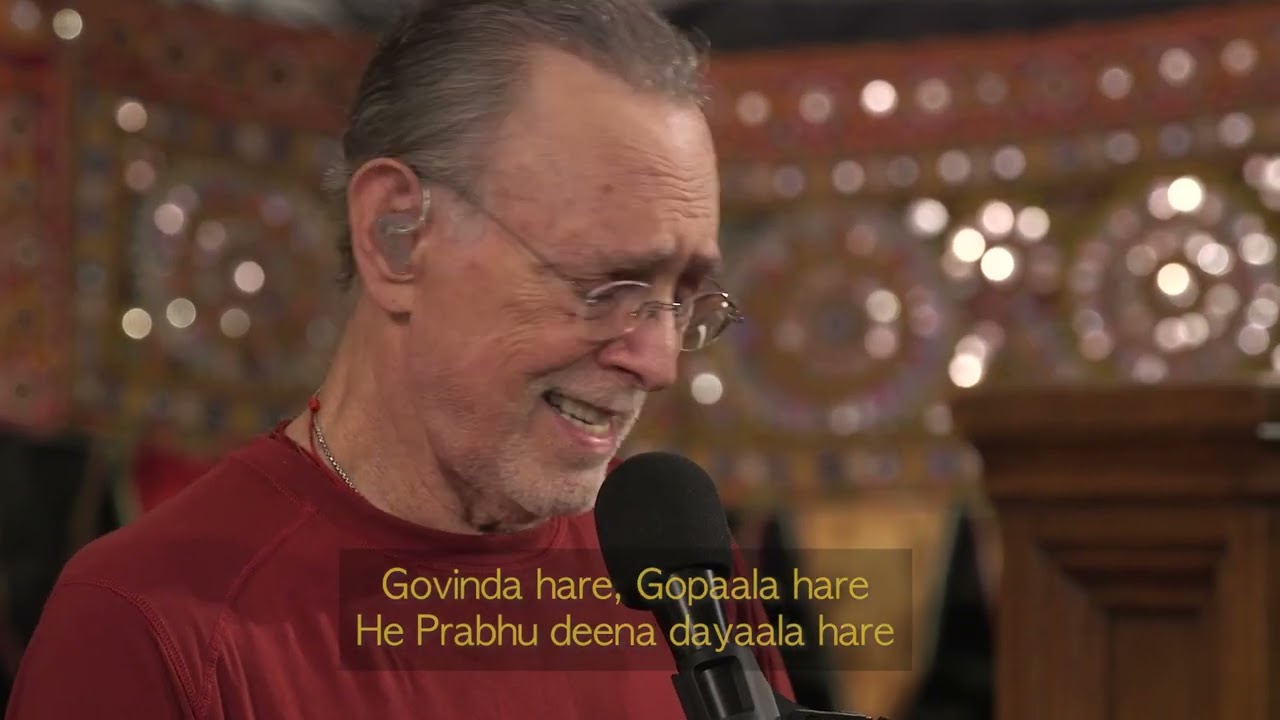
In the words of Krishna Das, "To sing in love is to vote for love." This profound statement invites us to consider the transformative power of love expressed through song. It suggests that our vocal expressions of love are not merely acts of creativity but also declarations of our commitment to love itself. In a world often overshadowed by division and strife, this call to action resonates deeply, reminding us that every note sung in love contributes to a collective harmony that can uplift and unite.
Moreover, this quote encapsulates the essence of bhakti, the devotional path that emphasizes love and surrender to the divine. Singing, in this context, becomes a sacred act, a way to channel our deepest emotions and intentions into a form that transcends the mundane. It is an invitation to engage with the world through the lens of love, transforming our experiences and relationships into a symphony of connection and understanding. By embracing this practice, we not only enrich our own lives but also contribute to a larger tapestry of love that binds us all.
The image / the metaphor
The imagery in Krishna Das's quote evokes a sense of active participation in the world of love. To "sing" implies an engagement that is both expressive and communal, suggesting that love is not a solitary experience but one that flourishes in shared moments. The verb "vote" introduces a sense of agency and choice, indicating that our expressions of love are deliberate acts that shape our reality. This metaphor of singing as voting implies that each note we sing carries weight, influencing the atmosphere around us and contributing to the collective consciousness.
In the speaker's tradition
Krishna Das, rooted in the bhakti tradition, emphasizes the importance of devotion and love as pathways to spiritual awakening. Bhakti, often described as a loving devotion to God, encourages practitioners to cultivate an intimate relationship with the divine through acts of love and service. This tradition teaches that love is not just an emotion but a profound state of being that can lead to liberation. Concepts such as dharma, the moral order of the universe, and prajna, the wisdom that arises from love, are integral to understanding how singing in love aligns with the principles of bhakti.
In the Bhagavad Gita, a foundational text of Indian spirituality, the idea of selfless action is echoed in the teachings of karma yoga, where actions performed with love and devotion lead to spiritual growth. The Gita emphasizes that when we act from a place of love, we align ourselves with our higher purpose, contributing to the greater good. Thus, Krishna Das's assertion that singing in love is a vote for love resonates deeply within this tradition, reinforcing the notion that our expressions of love are not only personal but also cosmic in their implications.
Living the teaching
Consider a modern scenario where this teaching can manifest: a community gathering where individuals come together to share their stories through song. In such a space, each person’s contribution becomes a testament to their commitment to love, creating an atmosphere of acceptance and understanding. As participants sing together, they weave a fabric of connection that transcends individual differences, fostering a sense of belonging and unity. This communal act of singing in love serves as a powerful reminder that our voices, when united in love, can create ripples of change in the world.
On a more personal level, this teaching can be applied in relationships, particularly during challenging moments. Imagine a disagreement with a loved one; instead of allowing anger or frustration to dominate, one might choose to express their feelings through a song that encapsulates their love and longing for connection. This act of vulnerability not only softens the heart but also opens the door for healing and reconciliation. By embodying the spirit of Krishna Das's quote, we can transform our interactions into opportunities for deeper understanding and love.
A reflection
As we contemplate the essence of Krishna Das's words, we are invited to reflect on our own expressions of love. How do we "vote" for love in our daily lives? In what ways can we use our voices—whether through song, conversation, or action—to contribute to a world that embodies love? This contemplation encourages us to consider the impact of our choices and the power of our expressions, urging us to align our lives with the profound truth that love is both a personal journey and a collective responsibility.