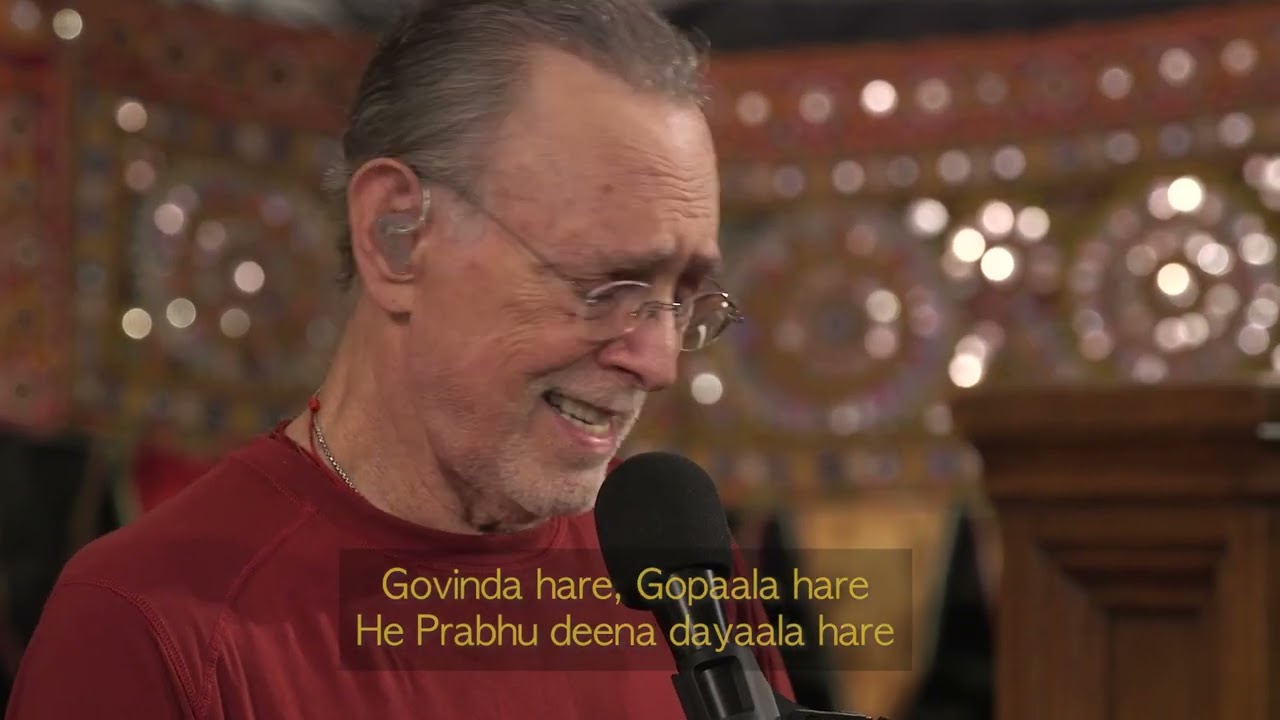
The Essence of Love in Song
In the profound words of Krishna Das, "To sing in love is to be made of love." This statement invites us to explore the transformative power of love as it manifests through the act of singing. It suggests that when we engage in singing from a place of love, we not only express our feelings but also become embodiments of that very love. This notion is significant as it challenges us to consider how our actions can reflect our inner essence and how, through love, we can connect with something greater than ourselves.
Delving deeper, this quote implies that love is not merely an emotion or a fleeting experience; it is a state of being that can be cultivated and shared. Singing, in this context, becomes a sacred act, a vehicle for expressing the depths of our hearts. By singing in love, we align ourselves with the vibrational frequency of love itself, allowing it to permeate our existence. This exploration of love through song serves as a reminder of the interconnectedness of all beings and the potential for love to heal and transform our lives.
The image / the metaphor
The imagery in Krishna Das's quote evokes a sense of unity between the act of singing and the essence of love. The verb "to sing" suggests an active engagement, a dynamic expression of emotion that transcends mere words. It conjures images of voices rising together, harmonizing in a shared experience that resonates deeply within the soul. The phrase "to be made of love" implies a profound transformation, suggesting that love is not just something we feel but something that shapes our very identity.
In the speaker's tradition
Krishna Das, rooted in the bhakti tradition, emphasizes the importance of devotion and love in spiritual practice. Bhakti, which translates to "devotion," encourages practitioners to cultivate a deep, personal relationship with the divine through acts of love and surrender. Concepts such as dharma, or righteous duty, and kenosis, the self-emptying of one's ego, resonate with the essence of singing in love. In this context, to sing in love is to align oneself with one's dharma, allowing the heart to guide one's actions and expressions.
In the Bhagavad Gita, a foundational text in the bhakti tradition, Lord Krishna speaks of the importance of devotion and surrender to God. He emphasizes that true devotion arises from love, and it is through this love that one can attain liberation. The act of singing, therefore, becomes a form of devotion, a way to express one's love for the divine and to experience the bliss that comes from such surrender. This connection between love and spiritual practice is a recurring theme in bhakti literature, highlighting the transformative power of love in our spiritual journeys.
Living the teaching
Consider a modern scenario where this teaching resonates: a community gathering where individuals come together to sing songs of love and unity. In this space, the act of singing transcends individual differences, creating a collective experience that fosters connection and belonging. Participants may find themselves moved not only by the melodies but by the shared intention of love that permeates the gathering. This illustrates how singing in love can create a powerful atmosphere of healing and transformation, reminding us of our shared humanity.
In a more personal context, imagine a moment of conflict in a close relationship. Instead of allowing anger or frustration to dominate, one partner chooses to express their feelings through a song that encapsulates their love and longing for connection. This act of vulnerability can soften hearts and open pathways for deeper understanding and reconciliation. By embodying love through song, we can navigate difficult moments with grace and compassion, reinforcing the idea that to sing in love is indeed to be made of love.
A reflection
As we contemplate Krishna Das's profound statement, we are invited to reflect on our own lives: How can we infuse our daily actions with love? In what ways can we express our essence through the creative acts we engage in? This contemplation encourages us to examine the depth of our relationships and the sincerity of our expressions, reminding us that every act of love, no matter how small, contributes to the greater tapestry of existence.