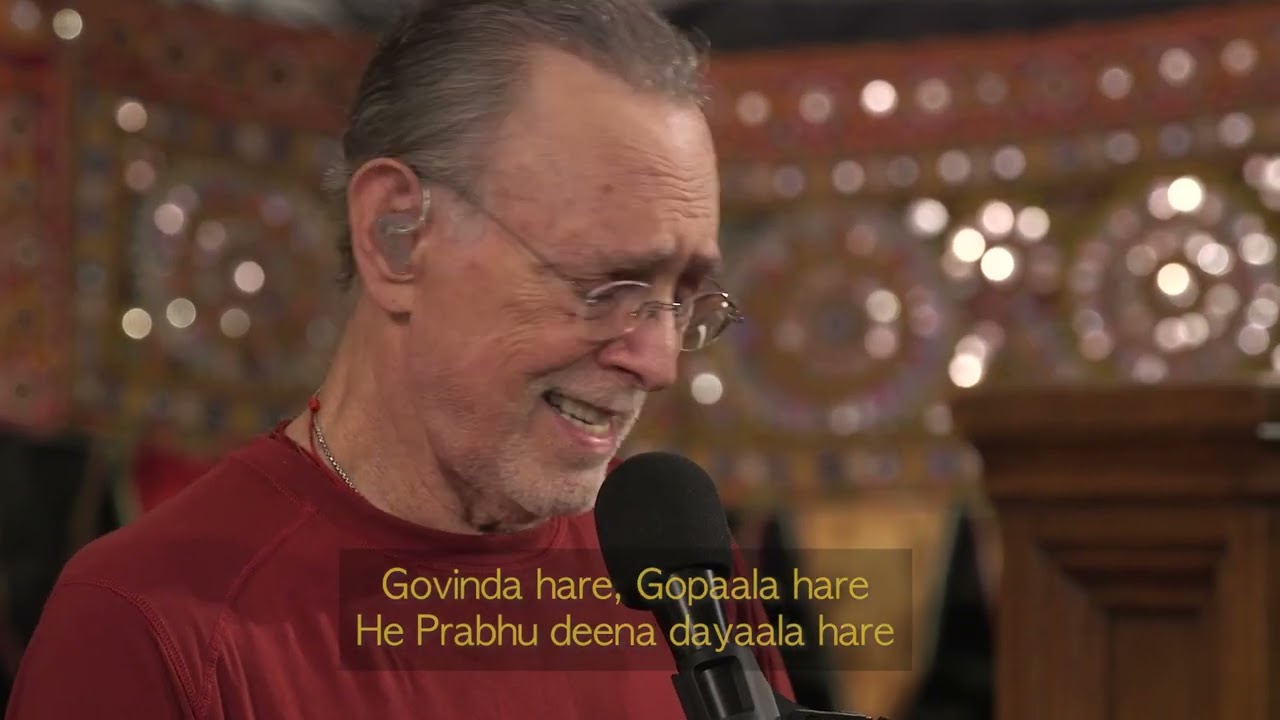
Embracing the Omnipresence of the Divine Name
In the profound statement, "There is no separation. The Name is everywhere," Krishna Das invites us to explore the interconnectedness of all existence through the lens of bhakti, or devotional love. This assertion challenges our conventional understanding of individuality and separation, suggesting instead that the divine presence permeates every aspect of our lives. Recognizing this omnipresence can transform our spiritual practice, urging us to seek the sacred in the mundane and to dissolve the barriers that keep us from experiencing unity with the divine.
As we delve deeper into this quote, we uncover layers of meaning that resonate with the core of bhakti philosophy. The notion that "the Name"—a reference to the divine essence encapsulated in sacred sound—exists everywhere invites us to reconsider our relationship with the divine. It suggests that the divine is not a distant entity but an intimate presence that surrounds and infuses our lives. This realization can lead to a profound sense of belonging and connection, fostering a deeper understanding of our place within the cosmos.
The image / the metaphor
The imagery in Krishna Das's quote evokes a sense of boundless presence, where the divine Name transcends physical boundaries and limitations. The phrase "there is no separation" speaks to the illusion of individuality that often clouds our perception of reality. By asserting that "the Name is everywhere," Krishna Das invites us to envision a world where the sacred is interwoven with the fabric of our daily lives, urging us to recognize the divine in every moment and every encounter.
Diving deeper into this metaphor, we can see that the "Name" represents not just a title or label but the essence of the divine itself. In many spiritual traditions, names carry power and significance, serving as conduits for divine energy. By acknowledging that the Name is omnipresent, we are encouraged to cultivate a sense of reverence for the world around us, recognizing that every sound, every breath, and every heartbeat can be a reminder of the divine presence that sustains us.
In the speaker's tradition
Krishna Das, rooted in the bhakti tradition, emphasizes the importance of devotion and love as pathways to experiencing the divine. Concepts such as dharma, or righteous duty, and bhakti, the loving devotion to God, are central to this philosophy. In bhakti, the relationship between the devotee and the divine is characterized by intimacy and surrender, where the realization of non-separation becomes a transformative experience. This perspective aligns with the idea of kenosis, or self-emptying, where one relinquishes the ego to embrace a deeper connection with the divine.
A relevant text that echoes this sentiment is the Bhagavad Gita, where Krishna teaches Arjuna about the unity of all beings and the divine essence that resides within them. In Chapter 9, Verse 22, Krishna assures that those who are devoted to Him will be taken care of, reinforcing the idea that the divine presence is not only everywhere but also intimately involved in our lives. This interconnectedness is a cornerstone of bhakti, inviting us to surrender our separateness and embrace the divine Name that is ever-present.
Living the teaching
Consider a modern scenario where this teaching can be applied: a busy commuter navigating the chaos of a crowded subway. In this moment, the individual may feel isolated, surrounded by strangers, each lost in their own world. However, by recalling Krishna Das's words, one can shift their perspective, recognizing that each person is a manifestation of the divine Name. This awareness can transform the experience from one of separation to a shared journey, fostering compassion and connection amidst the hustle and bustle of daily life.
Another application of this teaching can be found in interpersonal relationships. During a conflict with a loved one, it is easy to become entrenched in feelings of division and misunderstanding. By remembering that "the Name is everywhere," one can approach the situation with a sense of humility and openness, recognizing the divine spark within the other person. This shift in perception can pave the way for reconciliation, allowing love and understanding to flourish even in challenging moments.
A reflection
As we contemplate Krishna Das's profound statement, we are invited to explore the depths of our own experience of separation and unity. How might our lives change if we truly embraced the idea that the divine Name is present in every moment, in every interaction? This question encourages us to reflect on our relationships, our daily practices, and our understanding of the world, inviting us to cultivate a deeper sense of connection with the divine and with each other.