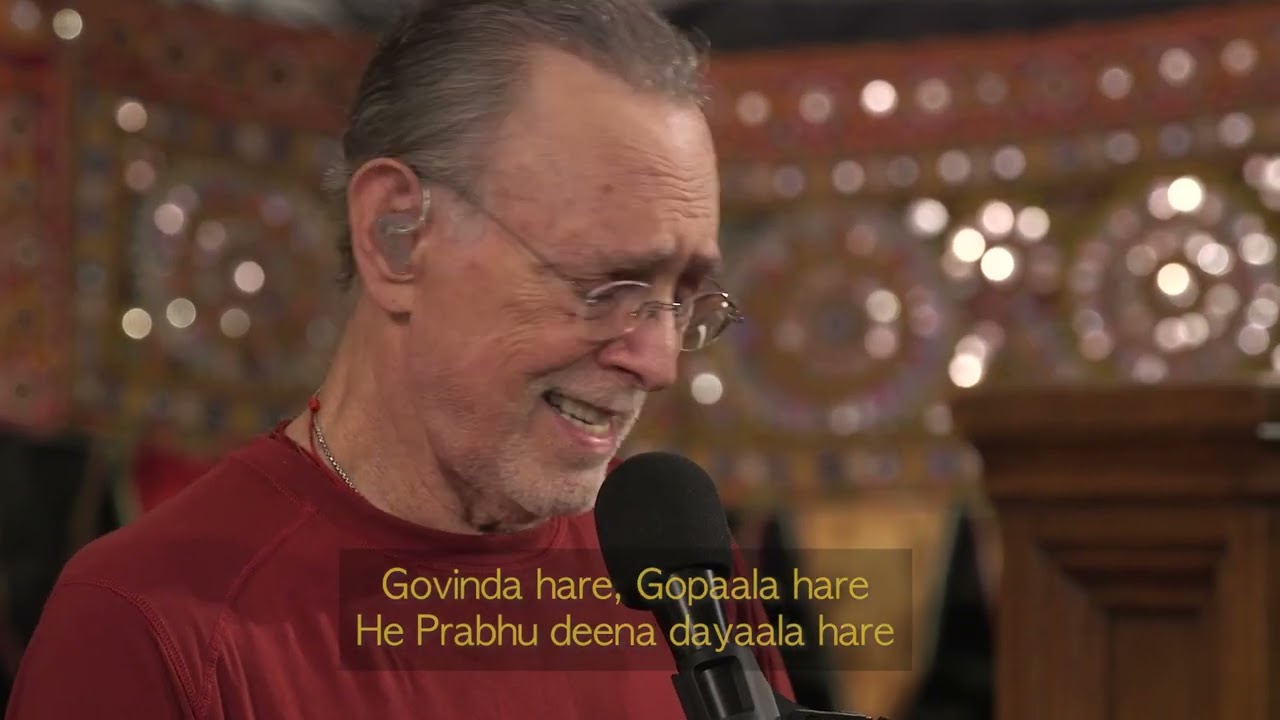
In the profound words of Krishna Das, "The Name is the medicine for the heart." This statement invites us to consider the transformative power of sacred names and mantras, particularly within the bhakti tradition. The heart, often seen as the seat of emotion and spirit, requires healing and nourishment, much like the body. By invoking the Name, we engage in a practice that promises not only solace but also a deeper connection to the divine, suggesting that true healing arises from a spiritual source.
Delving deeper, we recognize that the heart's ailments are not merely physical or emotional; they are often rooted in a sense of disconnection from the divine and from ourselves. The Name serves as a bridge, a conduit through which we can access love, compassion, and understanding. In a world rife with distractions and discontent, the act of chanting or meditating on the Name becomes a vital practice, offering a remedy that transcends the ordinary and invites us into a sacred relationship with the divine. This exploration of the Name as medicine is not just an abstract concept; it is a lived experience that resonates deeply within the bhakti tradition.
The image / the metaphor
The imagery in Krishna Das's quote is rich and evocative. The term "medicine" suggests healing, restoration, and care, while "the Name" implies a specific, sacred invocation that holds power. This metaphor paints a picture of the heart as a fragile entity in need of nurturing, much like a patient in need of treatment. The verbs chosen—"is" and "medicine"—imply a direct relationship between the Name and the heart's well-being, suggesting that the act of calling upon the Name is not merely beneficial but essential for spiritual health.
Going deeper into this metaphor, we can see that the Name represents more than just a word or sound; it embodies the essence of the divine. In many spiritual traditions, names are believed to carry the vibration of the being they represent. Thus, when we chant or meditate on the Name, we are not just reciting syllables; we are engaging with the very essence of love, compassion, and unity. This act of invocation becomes a healing balm for the heart, soothing the wounds of separation and inviting us into a state of wholeness.
In the speaker's tradition
Krishna Das, a prominent figure in the bhakti tradition, emphasizes the importance of devotion and love for the divine. In bhakti, the practice of chanting the Name is not merely a ritual; it is an expression of surrender and devotion, often referred to as "bhakti" itself. This tradition teaches that through the repetition of the Name, one can cultivate a deep sense of connection to the divine, leading to a state of bliss and fulfillment. Concepts such as "kenosis," or self-emptying, resonate here, as the act of chanting allows the practitioner to let go of the ego and open the heart to divine love.
In the Bhagavad Gita, a foundational text in the bhakti tradition, Lord Krishna speaks of the power of devotion and the importance of surrendering to the divine will. The Gita emphasizes that those who are devoted to the divine through practices such as chanting will find peace and liberation. This aligns beautifully with Krishna Das's assertion that the Name serves as medicine for the heart, suggesting that through devotion, we can heal our inner wounds and cultivate a deeper understanding of our true nature.
Living the teaching
Consider a modern scenario where this teaching can be applied: imagine a person navigating the challenges of daily life—stress from work, anxiety about relationships, or feelings of isolation. In such moments, the practice of chanting the Name can serve as a refuge. By taking a few moments to focus on the Name, they can create a space of stillness and connection, allowing the heart to receive the healing it craves. This practice becomes a lifeline, a way to reconnect with the divine and find solace amidst the chaos.
Another application of this teaching might arise in the context of relationships. When conflicts arise, or when feelings of resentment or hurt cloud our hearts, invoking the Name can serve as a reminder of love and compassion. By turning to the Name, we can soften our hearts, allowing forgiveness and understanding to flow. This practice not only heals our own hearts but also fosters deeper connections with others, illustrating the profound impact of the Name as a source of medicine for the heart.
A reflection
As we contemplate Krishna Das's assertion that "The Name is the medicine for the heart," we are invited to reflect on our own relationship with the sacred. How often do we turn to the Name in times of need, and what does that practice reveal about our inner landscape? In moments of difficulty or disconnection, how might the invocation of the Name serve as a healing balm for our hearts? This contemplation invites us to explore the depth of our spiritual practice and the transformative power of devotion in our lives.