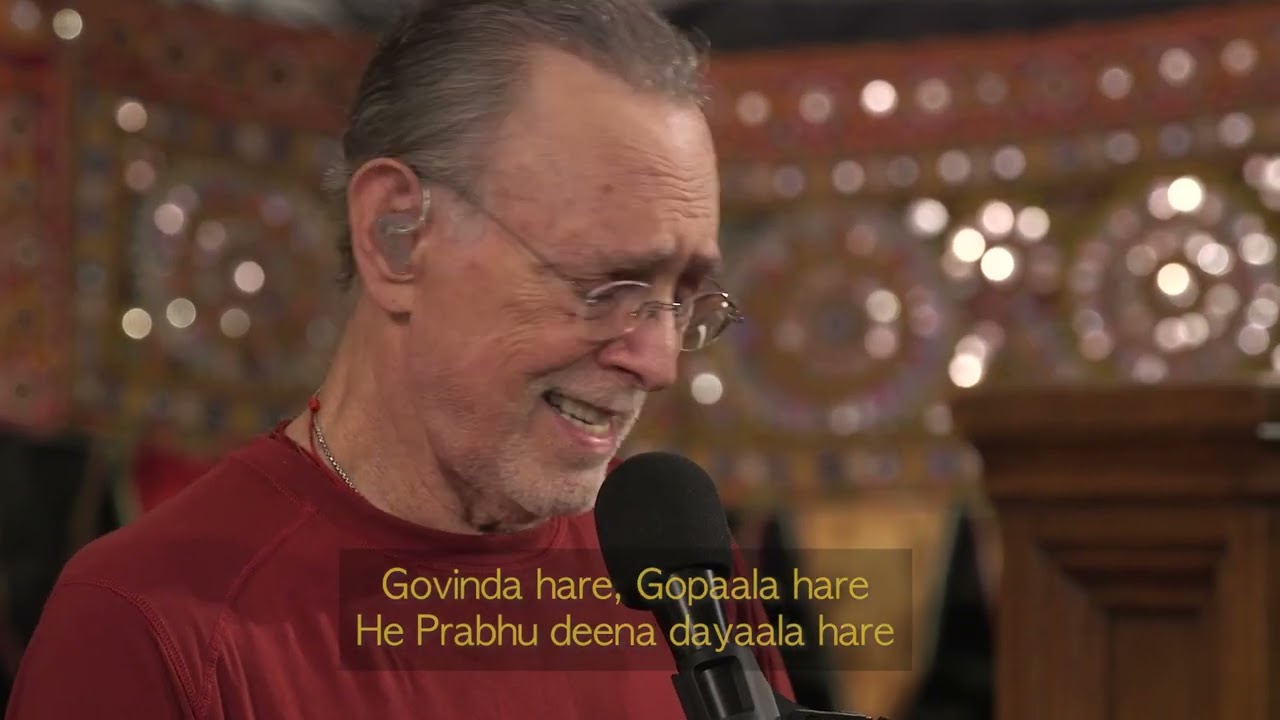
The Power of the Name: Transcending Our Challenges
When Krishna Das asserts, "The Name is bigger than your problems," he invites us to recognize the profound strength inherent in the sacred names we chant. This statement serves as a reminder that the divine essence encapsulated in these names can overshadow the myriad challenges we face in our lives. In a world often dominated by anxiety and uncertainty, this perspective offers a pathway to resilience and hope, suggesting that our connection to the divine can provide solace and strength in times of trouble.
Delving deeper, we find that this quote speaks to a fundamental truth within the bhakti tradition: the transformative power of devotion. The act of chanting, of invoking the divine name, is not merely a ritualistic practice; it is a profound engagement with the essence of existence itself. By focusing on the Name, we are encouraged to shift our attention away from our immediate difficulties and toward a greater reality, one that transcends the limitations of our human experience. This shift is not just a distraction but a genuine means of accessing a deeper sense of peace and understanding.
The image / the metaphor
At its core, the quote employs a powerful metaphor that juxtaposes the concept of "the Name" with the weight of "your problems." The imagery evokes a sense of scale, where the divine name stands as a towering presence, dwarfing the challenges we perceive as insurmountable. The verbs chosen—"is bigger"—imply not only size but also strength and significance, suggesting that the Name possesses an inherent power capable of transforming our perspective and experience.
Furthermore, this metaphor invites us to explore the nature of our problems themselves. Often, we perceive our challenges as fixed and overwhelming, yet Krishna Das encourages us to reconsider their magnitude in light of the divine. The Name, representing the essence of the divine, serves as a reminder that our struggles are transient and that there exists a greater reality that can provide us with the strength to navigate through them. This perspective invites us to cultivate a sense of trust in the process of life, recognizing that the divine presence is always available to guide and support us.
In the speaker's tradition
Krishna Das, rooted in the bhakti tradition, draws upon a rich tapestry of spiritual concepts that emphasize devotion and surrender. In bhakti, the act of chanting the Name is not merely a vocal exercise but a profound expression of love and connection to the divine. This practice aligns with the concept of dharma, where one’s duty is to engage in actions that foster spiritual growth and connection. The Name becomes a vehicle for this engagement, allowing practitioners to transcend their ego and experience a deeper sense of unity with the divine.
Moreover, this teaching resonates with the notion of kenosis, or self-emptying, found in various spiritual traditions. By surrendering our attachment to our problems and focusing on the Name, we create space for divine grace to enter our lives. This aligns with the teachings of the Bhagavad Gita, where Krishna advises Arjuna to surrender his worries and act in accordance with his higher purpose. The Name, in this context, serves as a reminder of our true nature and the divine support available to us as we navigate our earthly challenges.
Living the teaching
Consider a modern scenario where this teaching can be applied: a person facing a significant life transition, such as a job loss or a relationship breakdown. In such moments, it is easy to become overwhelmed by fear and uncertainty, allowing problems to dominate one’s thoughts and emotions. However, by turning to the practice of chanting the Name, this individual can find solace and strength. The act of invoking the divine name can serve as a grounding practice, reminding them that their identity is not defined by their circumstances but by their connection to something greater.
In another context, imagine a couple navigating a difficult period in their relationship. Misunderstandings and conflicts may seem insurmountable, leading to feelings of despair. By incorporating the practice of chanting the Name together, they can create a shared space of devotion that transcends their immediate issues. This practice not only fosters a sense of unity but also invites a divine presence into their relationship, reminding them that love and understanding can prevail over discord. In both scenarios, the Name becomes a source of healing and transformation, illustrating its power to elevate our experiences beyond the confines of our problems.
A reflection
As we contemplate the profound assertion that "The Name is bigger than your problems," we are invited to reflect on our own lives. What challenges are currently weighing heavily on your heart and mind? In what ways might turning to the divine Name provide you with a new perspective or a sense of relief? This contemplative inquiry encourages us to explore the transformative potential of devotion, inviting us to experience the power of the Name in our daily lives.