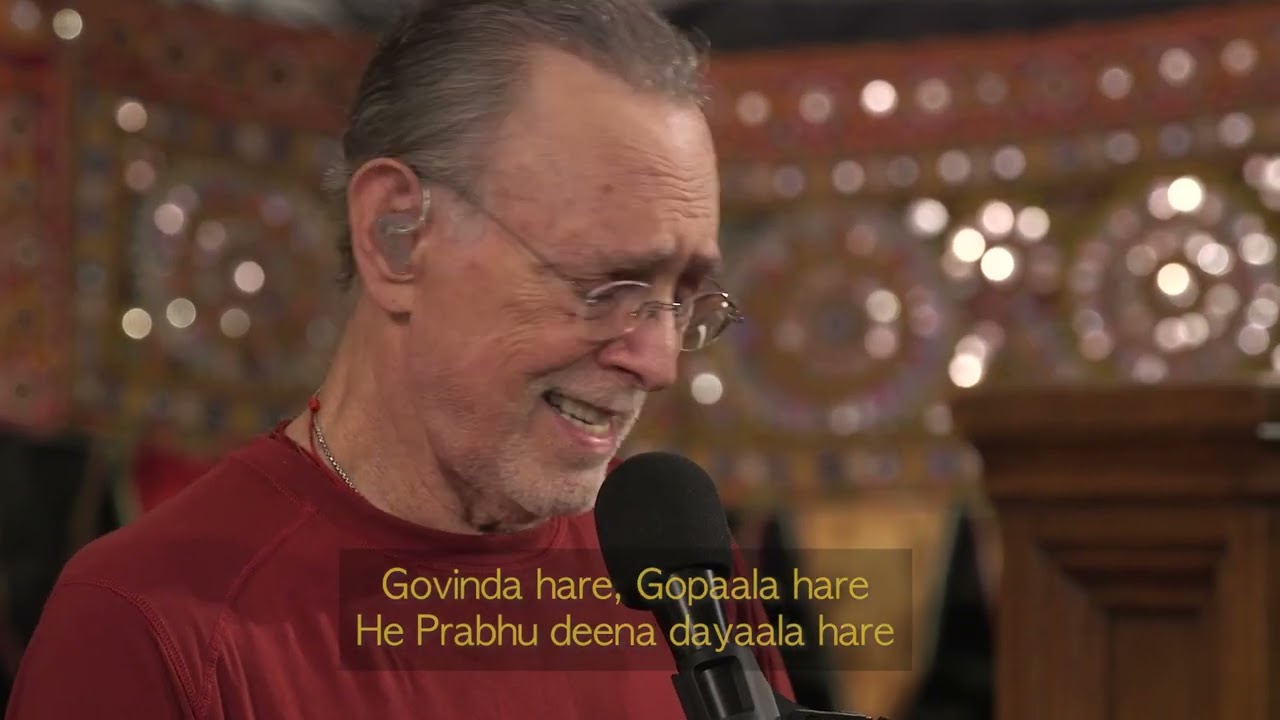
In the profound words of Krishna Das, "The Beloved is closer than your breath," we are invited to explore the intimate relationship between the seeker and the divine. This statement serves as a reminder that the essence of love and connection is not found in distant realms but resides within us, as close as our very breath. Understanding this closeness can transform our spiritual journey, urging us to seek the divine presence that permeates our daily existence.
To grasp the depth of this quote, we must consider the implications of intimacy and presence. The notion that the Beloved—often interpreted as the divine, the ultimate reality, or the essence of love—is closer than our breath suggests an inherent accessibility to the sacred. It challenges the common perception of the divine as something external or far removed, instead inviting us to recognize that the divine is woven into the fabric of our being, waiting to be acknowledged and embraced.
The image / the metaphor
The imagery in Krishna Das's quote evokes a sense of profound closeness and immediacy. Breath, a fundamental aspect of life, symbolizes the very essence of our existence. It is a constant companion, an involuntary act that connects us to life itself. By stating that the Beloved is closer than our breath, Krishna Das emphasizes the idea that divine love is not only omnipresent but also intimately intertwined with our daily experiences, reminding us that we are never alone in our journey.
Diving deeper into the metaphor, we can see that breath is also a bridge between the physical and the spiritual. It is through breath that we can enter states of meditation and contemplation, allowing us to connect with the divine presence within. This connection is not merely an abstract concept; it is a lived experience that invites us to cultivate awareness of the sacred in every moment. The act of breathing becomes a sacred practice, a reminder that the Beloved is always with us, guiding and nurturing our souls.
In the speaker's tradition
Krishna Das, rooted in the bhakti tradition, emphasizes the importance of devotion and love in the spiritual journey. Bhakti, which translates to "devotion," encourages practitioners to cultivate a personal relationship with the divine, often personified as a beloved figure. This intimate connection is central to the practice of bhakti, where the seeker surrenders to the divine presence, recognizing that love is the ultimate path to liberation. Concepts such as dharma, or righteous duty, and kenosis, the act of self-emptying, further enrich this understanding, illustrating the transformative power of love and devotion.
In the Bhagavad Gita, a foundational text in the bhakti tradition, Lord Krishna speaks of the importance of surrendering to the divine will. He assures Arjuna that those who are devoted to him will find solace and guidance. This echoes the sentiment of Krishna Das's quote, reinforcing the idea that the Beloved is not a distant entity but rather a constant source of support and love, always present in our lives, waiting for us to acknowledge and embrace that connection.
Living the teaching
Consider a modern scenario where this teaching resonates: a busy professional, overwhelmed by the demands of work and life, feels a sense of disconnection from their inner self. In moments of stress, they might find solace in taking a few deep breaths, allowing the rhythm of their breath to ground them. In these moments, they can remember that the Beloved is closer than their breath, inviting them to pause, reflect, and reconnect with the divine presence that resides within, transforming their stress into a moment of sacred awareness.
In relationships, this teaching can manifest in profound ways. Imagine a couple navigating a difficult conversation, where misunderstandings and emotions run high. By remembering that the Beloved is closer than their breath, they can approach the dialogue with compassion and openness, recognizing that their love for one another is a reflection of the divine. This awareness can shift the dynamic, allowing them to communicate from a place of love rather than fear, fostering deeper intimacy and understanding.
A reflection
As we contemplate the depth of Krishna Das's words, we are invited to ask ourselves: How often do I recognize the divine presence within me and around me? This question encourages us to cultivate a practice of mindfulness, allowing us to see the sacred in our everyday lives. By acknowledging that the Beloved is closer than our breath, we can deepen our connection to ourselves and to others, fostering a sense of intimacy that transcends the ordinary and invites us into the extraordinary.