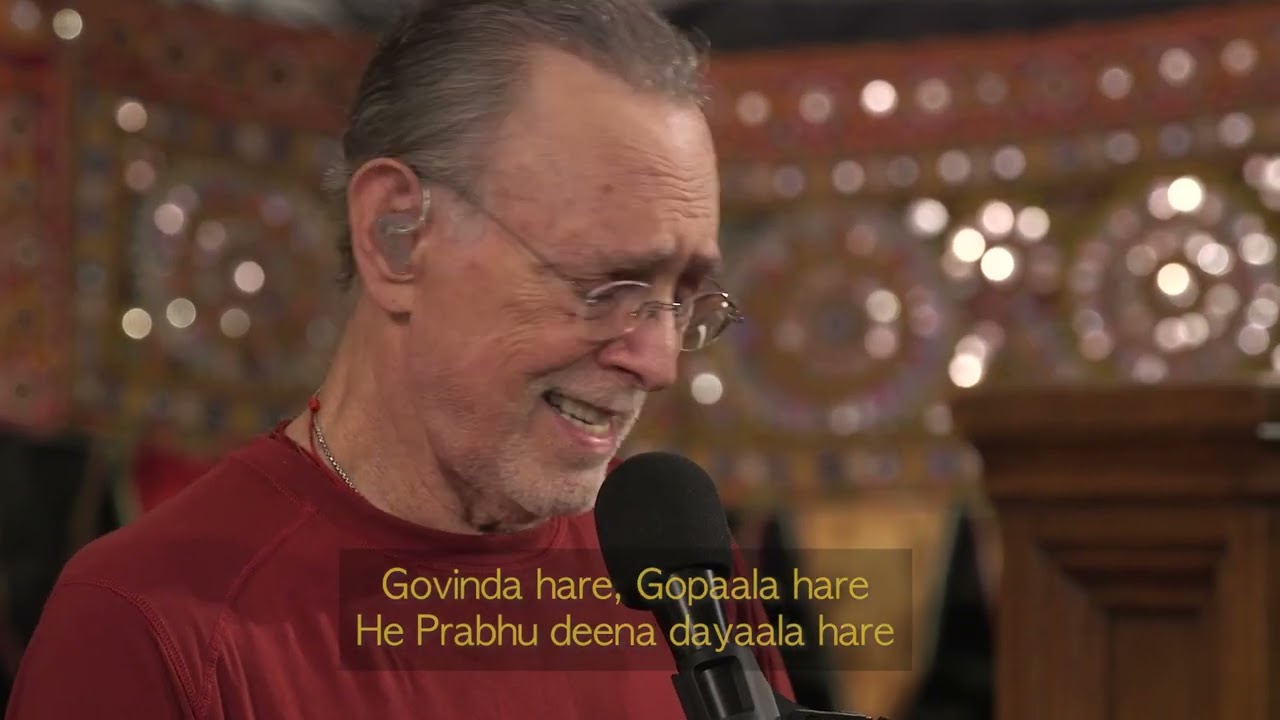
The Transformative Power of Song
In the words of Krishna Das, "Singing transforms the singer." This profound statement invites us to consider the deep, often overlooked connection between the act of singing and the inner metamorphosis of the individual. It suggests that through the simple yet profound act of vocal expression, one can experience a shift in consciousness, a reorientation of the self. This transformation is not merely superficial; it resonates at the core of our being, influencing our thoughts, emotions, and spiritual journey.
To delve deeper, we must recognize that singing, particularly in the context of bhakti, transcends mere entertainment or artistic expression. It becomes a sacred practice, a vehicle for devotion and connection to the divine. In this light, the act of singing is not just about the sound produced; it is an invitation to engage with the essence of who we are. The transformative power of song lies in its ability to align us with a greater purpose, fostering a sense of unity with ourselves and the universe.
The image / the metaphor
The imagery within Krishna Das's quote evokes a sense of alchemy—where sound, intention, and devotion combine to create a new reality. The verb "transforms" suggests a dynamic process, one that is active and ongoing. It implies that the singer is not a passive participant but rather an agent of change, both for themselves and potentially for others. The act of singing becomes a ritual, a sacred act that can elevate the spirit and awaken latent potential within.
In the speaker's tradition
Krishna Das, a prominent figure in the bhakti tradition, embodies the essence of devotion through his music. Bhakti, which translates to "devotion" or "love," emphasizes the importance of surrendering oneself to the divine. This tradition teaches that through practices such as chanting and singing, one can cultivate a deeper connection with the divine presence. Concepts like dharma (righteous duty) and prajna (wisdom) are integral to this journey, guiding the devotee toward a life of purpose and understanding.
In the context of bhakti, the act of singing is akin to the practice of kenosis, or self-emptying, where the individual surrenders their ego and personal desires to become one with the divine. This is beautifully illustrated in the text of the Bhagavad Gita, where Krishna speaks of the importance of devotion and surrender. The Gita emphasizes that through sincere devotion, one can attain liberation (moksha) and experience the ultimate truth of existence. Thus, Krishna Das's assertion resonates deeply within this rich spiritual framework.
Living the teaching
Consider a modern scenario where this teaching might resonate: a group of friends gathers for a community sing-along, each person bringing their unique voice and energy to the collective experience. As they sing together, they create a space of connection and shared joy, allowing their individual worries and stresses to fade away. In this moment, the act of singing transforms not only the singers but also the atmosphere, fostering a sense of unity and belonging that transcends the ordinary.
In a different context, imagine a person facing a challenging moment in their life—perhaps a relationship that is strained or a personal crisis. By turning to the practice of chanting or singing sacred songs, they find solace and clarity. The act of vocal expression becomes a form of meditation, allowing them to process their emotions and connect with a deeper sense of purpose. In this way, the transformative power of singing serves as a lifeline, guiding them through the tumultuous waters of life.
A reflection
As we contemplate the essence of Krishna Das's quote, we are invited to reflect on our own experiences with singing and expression. How has the act of singing, whether in solitude or community, transformed your understanding of yourself and your place in the world? In what ways can you incorporate this transformative practice into your daily life, allowing it to deepen your connection to the divine and to those around you?