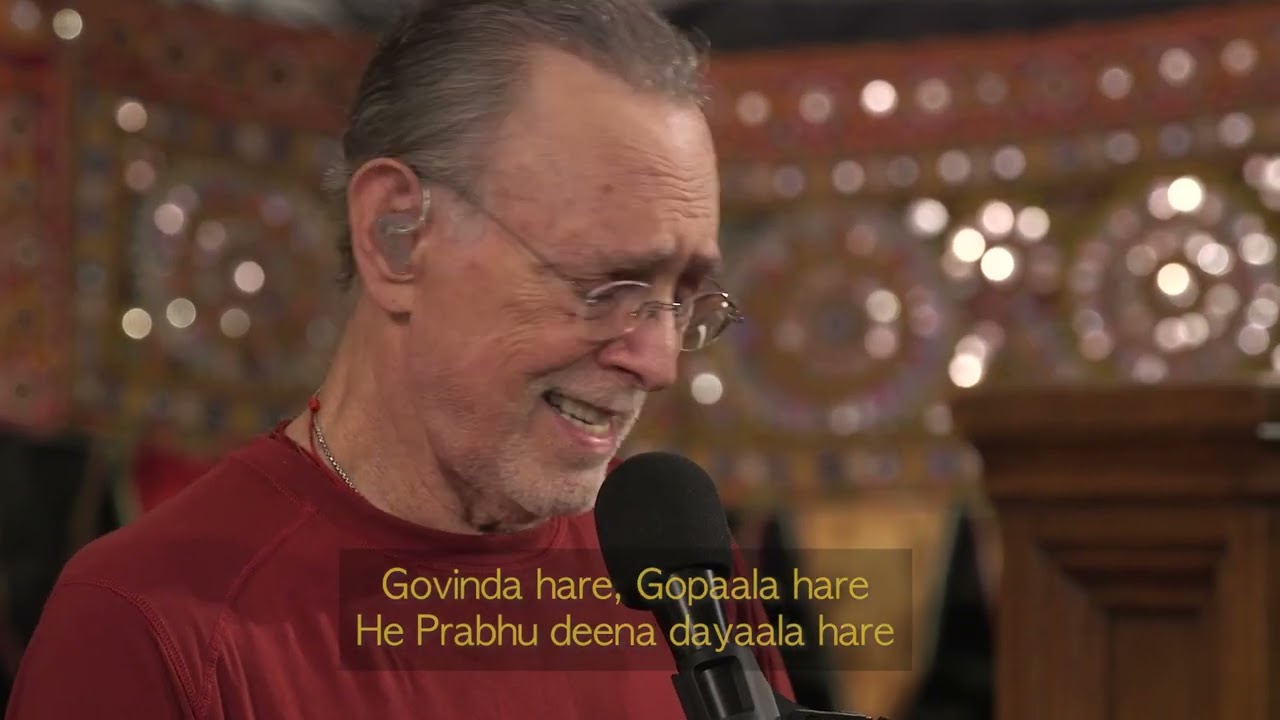
“Sing with the broken heart,” a poignant invitation from Krishna Das, beckons us to embrace our vulnerabilities and express our deepest sorrows through song. This call to action is not merely about vocalizing pain; it is a profound acknowledgment that our brokenness can be a source of beauty and connection. In a world that often encourages us to mask our wounds, this quote serves as a reminder that authenticity and emotional honesty can lead to healing and transformation.
At its core, this quote invites us to explore the relationship between our heart's fragility and the act of singing. Singing, in this context, becomes a sacred expression of our innermost feelings, a way to transcend suffering through the art of vocalization. By engaging with our brokenness, we not only honor our own experiences but also resonate with the shared human condition, creating a bridge of empathy and understanding among us.
The image / the metaphor
The imagery of a "broken heart" evokes a visceral sense of vulnerability and pain. It conjures the image of a heart that has been shattered by life's trials, yet it is not a heart that remains silent. The verb "sing" suggests an active engagement with this pain, transforming it into something that can be shared and celebrated. This juxtaposition of brokenness and song creates a powerful metaphor for the human experience, illustrating how our wounds can become sources of strength and beauty when expressed authentically.
Diving deeper into the metaphor, we find that singing with a broken heart is not merely about lamentation; it is an act of resilience. It suggests that within our sorrow lies the potential for creativity and connection. Just as a broken instrument can produce unique sounds, our broken hearts can give rise to melodies that resonate with others. This metaphor invites us to see our struggles not as burdens to bear alone but as threads that weave us into the larger tapestry of humanity.
In the speaker's tradition
Krishna Das, rooted in the bhakti tradition, emphasizes the importance of devotion and surrender in the face of suffering. Bhakti, or the path of love and devotion, teaches us that our brokenness can lead us closer to the divine. Concepts such as dharma, the moral order, and kenosis, the self-emptying love exemplified by spiritual figures, resonate deeply within this context. By singing with a broken heart, we align ourselves with the bhakti ethos of surrendering our pain to a higher power, allowing it to transform us.
In the Bhagavad Gita, we find echoes of this teaching in the notion of surrendering one's burdens to the divine. Arjuna, faced with the weight of his own heartache and moral dilemmas, learns that true strength lies in acknowledging his vulnerabilities and seeking guidance from Krishna. This narrative illustrates that embracing our brokenness can lead to profound spiritual insights and a deeper connection with the divine.
Living the teaching
Consider a modern scenario where this teaching resonates: a person grappling with the loss of a loved one. In the midst of their grief, they might find solace in music, allowing themselves to sing about their pain. This act of vocalizing sorrow not only serves as a cathartic release but also connects them with others who have experienced similar losses. By singing with a broken heart, they honor their grief while simultaneously inviting healing and understanding into their lives.
In relationships, the teaching can manifest in moments of conflict or misunderstanding. When we approach a difficult conversation with a willingness to express our vulnerabilities, we create space for deeper connection. By sharing our brokenness—our fears, insecurities, and regrets—we invite our partners to do the same, fostering an environment of empathy and compassion. In this way, singing with a broken heart becomes a practice of authenticity that strengthens our bonds with others.
A reflection
As we contemplate the invitation to "sing with the broken heart," we are called to examine our own relationship with vulnerability. How do we express our pain, and in what ways do we allow it to connect us with others? In moments of sorrow, are we willing to embrace our brokenness as a source of strength? Let this quote guide us in reflecting on how we can transform our wounds into melodies that resonate with the world around us.