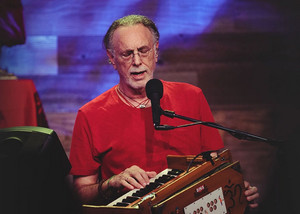
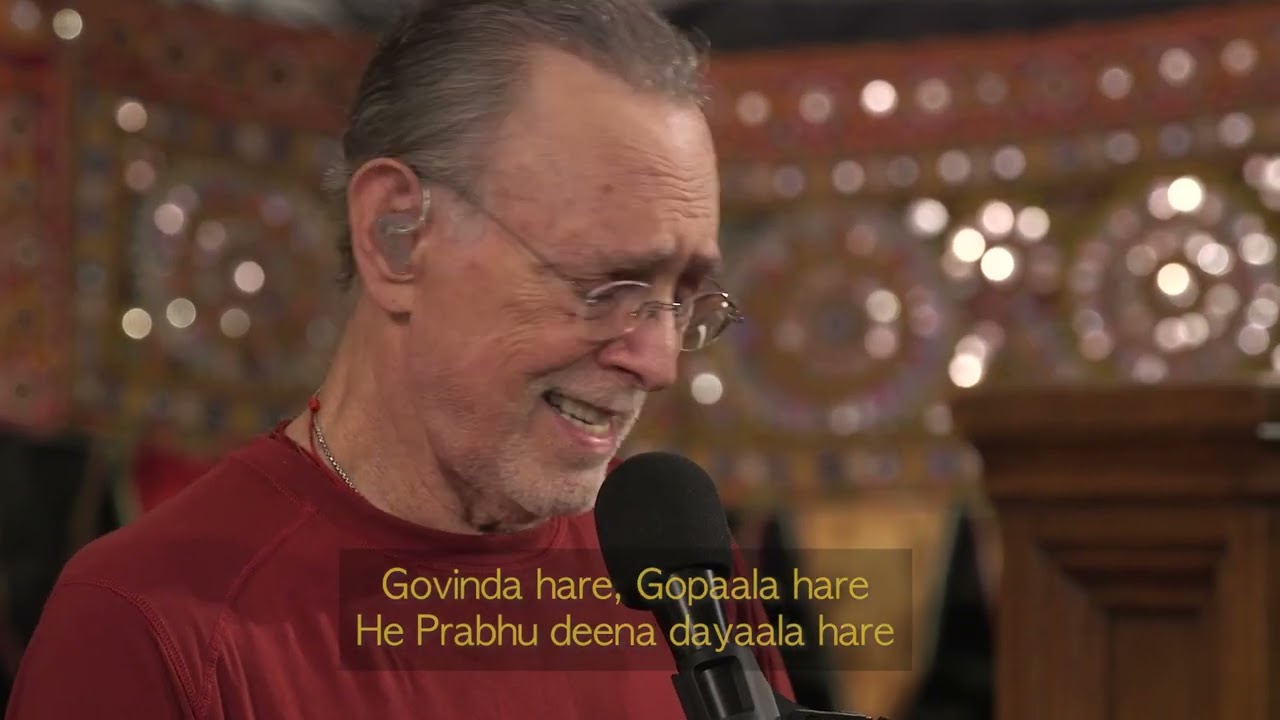
In the words of Krishna Das, "Real chanting heals what therapy cannot." This profound statement invites us to explore the depths of healing that transcend conventional therapeutic practices. It suggests that there exists a form of healing that is not merely psychological or emotional but deeply spiritual, rooted in the vibrational power of sound and devotion. This matters because it challenges our understanding of healing, urging us to consider the holistic nature of our being and the ways in which we can access deeper layers of ourselves through practices like chanting.
As we delve into this quote, we recognize that it speaks to the limitations of traditional therapy, which often focuses on the mind and emotions without addressing the spiritual essence of a person. The act of chanting, particularly within the bhakti tradition, serves as a bridge to the divine, allowing individuals to connect with a higher consciousness and experience a profound sense of healing. This exploration is essential in a world where many seek solace and resolution in therapy alone, often overlooking the transformative power of spiritual practices that can lead to deeper healing and understanding.
The image / the metaphor
The imagery within Krishna Das's quote evokes a sense of depth and resonance. The word "chanting" conjures the rhythmic repetition of sacred sounds, a practice that has been revered across cultures as a means of connecting with the divine. The verb "heals" suggests a restoration, a mending of what is broken or fragmented. This healing is not superficial; it penetrates the layers of our being, reaching into the very core of our existence where true transformation occurs. The phrase "what therapy cannot" implies a boundary, a recognition that while therapy has its merits, it may not touch the spiritual wounds that reside within us.
Diving deeper into the metaphor, we can perceive chanting as a form of alchemy. It transforms the mundane into the sacred, allowing the practitioner to transcend ordinary experiences and enter a realm of divine connection. In this space, the vibrations of sound become a healing balm, soothing the soul and facilitating a release of emotional and spiritual burdens. The act of chanting, therefore, becomes a sacred ritual, a way to invoke the divine presence and invite healing energies into our lives.
In the speaker's tradition
Krishna Das, a prominent figure in the bhakti tradition, embodies the essence of devotion and surrender to the divine. Bhakti, which translates to "devotion," emphasizes the importance of love and connection with God as a path to spiritual fulfillment. This tradition teaches that through acts of devotion—such as chanting, singing, and prayer—individuals can experience a profound sense of unity with the divine. Concepts like dharma, or righteous living, and kenosis, the self-emptying love of God, resonate deeply within this framework, highlighting the transformative power of surrender and devotion.
In the context of bhakti, we can draw parallels to texts such as the "Bhagavad Gita," where the importance of surrendering to the divine will is emphasized. In Chapter 18, verse 66, Krishna advises Arjuna to abandon all forms of religion and simply surrender to Him. This act of surrender is akin to the healing power of chanting; it invites individuals to let go of their burdens and trust in a higher power. The practice of chanting becomes a means of embodying this surrender, allowing the devotee to experience healing that transcends the limitations of the mind.
Living the teaching
Consider a modern scenario where an individual grapples with anxiety and emotional turmoil. They may seek therapy to address their feelings, yet find themselves still feeling fragmented and disconnected. In this context, introducing a practice of chanting can serve as a transformative tool. By engaging in regular chanting, they may discover a sense of peace and grounding that therapy alone could not provide. The vibrations of the chants resonate within them, creating a space for healing that allows them to confront their emotions with a newfound sense of clarity and connection.
In another application, imagine a couple facing challenges in their relationship. They may find themselves caught in cycles of misunderstanding and conflict. By incorporating chanting into their shared practice, they can create a sacred space that fosters connection and healing. As they chant together, the vibrations of the sounds can dissolve barriers, allowing them to communicate more openly and lovingly. This practice not only deepens their bond but also invites a spiritual dimension into their relationship, reminding them of the divine presence that unites them.
A reflection
As we contemplate the wisdom of Krishna Das's quote, we are invited to reflect on our own experiences with healing. In what ways have we sought healing through conventional means, and how might we expand our understanding of healing to include spiritual practices like chanting? This question encourages us to explore the depths of our being and consider the transformative power of sound and devotion in our lives. How might we integrate these practices into our daily routines to foster a deeper sense of connection and healing?