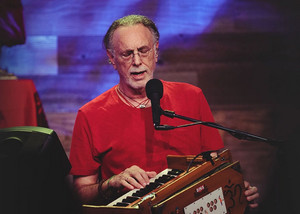
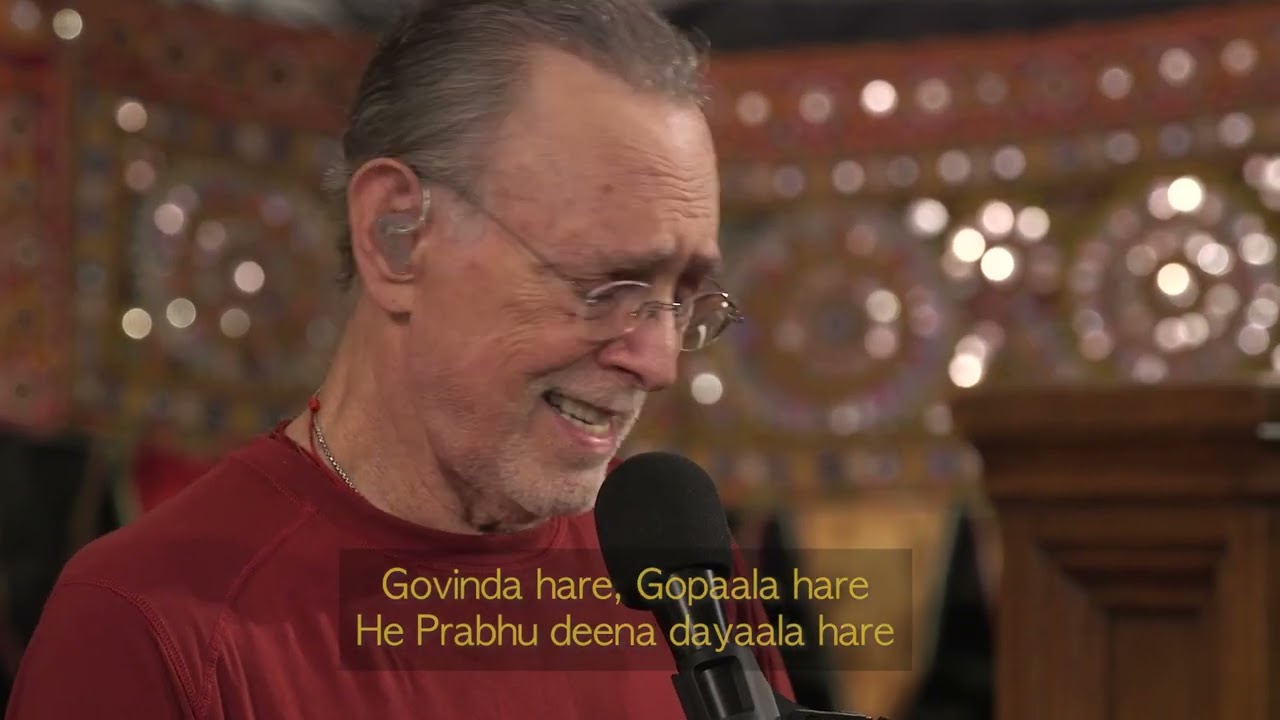
The quote "Open the heart. The Name takes care of the rest," attributed to Krishna Das, invites us into a profound exploration of vulnerability and trust in the divine. At its core, this statement suggests that by simply allowing ourselves to be open and receptive, we can experience a transformative relationship with the sacred. The act of opening the heart is not merely an emotional gesture; it is a spiritual practice that lays the groundwork for deeper connection and understanding. In a world often marked by fear and separation, this teaching reminds us of the power inherent in surrender and faith.
To open the heart is to embrace a state of being that transcends the confines of the ego. It is an invitation to let go of the barriers we erect to protect ourselves from pain and disappointment. In doing so, we create space for the divine presence—referred to as "the Name" in this context—to enter our lives and guide us. This quote encapsulates a fundamental principle of bhakti, the path of devotion, where the heart becomes a vessel for divine love and grace. By trusting in the Name, we are assured that our journey will unfold as it is meant to, often in ways we cannot foresee.
The image / the metaphor
The imagery of "opening the heart" evokes a sense of warmth and vulnerability, suggesting a physical and emotional act of release. The heart, often symbolized as the seat of love and compassion, becomes a focal point for spiritual awakening. The verb "open" implies an active choice, a deliberate decision to let go of defenses and embrace the unknown. This act of opening is not passive; it requires courage and a willingness to confront our fears, allowing the light of the divine to penetrate our inner darkness.
Diving deeper into this metaphor, we can see that the heart's opening is akin to a flower blooming in the sunlight. Just as a flower unfurls its petals to receive nourishment, so too must we allow ourselves to be vulnerable in order to receive the blessings of the divine. The phrase "the Name takes care of the rest" suggests a relinquishing of control, a trust that once we open ourselves, the divine will guide our path. This interplay between human agency and divine grace encapsulates the essence of bhakti, where devotion becomes a dance of surrender and trust.
In the speaker's tradition
Krishna Das, a prominent figure in the bhakti tradition, embodies the principles of devotion and surrender that are central to this quote. Bhakti, which translates to "devotion," emphasizes the importance of cultivating a loving relationship with the divine. This path encourages practitioners to engage in practices such as chanting the Name, which serves as a means to open the heart and connect with the divine presence. The concept of "kenosis," or self-emptying, resonates deeply here, as it reflects the necessity of letting go of the self to make room for divine love.
Living the teaching
Consider a modern scenario where this teaching can be applied: a person grappling with anxiety about their future. In moments of uncertainty, the act of opening the heart can manifest as a conscious decision to embrace vulnerability. Instead of clinging to control or succumbing to fear, one might choose to engage in practices such as meditation or chanting, allowing the Name to fill the space of worry. This act of surrender can lead to a profound sense of peace, as the individual learns to trust that they are supported by a greater force.
Another application of this teaching might occur within the context of relationships. Imagine a situation where a loved one has hurt you, and the instinct is to close off emotionally to protect oneself. However, by choosing to open the heart, one can engage in honest communication, expressing feelings of hurt while remaining open to understanding the other person's perspective. This willingness to be vulnerable can pave the way for healing and deeper connection, illustrating how the Name—symbolizing love and understanding—can indeed take care of the rest.
A reflection
As we contemplate the wisdom of Krishna Das's words, we are invited to reflect on our own lives: What does it mean for us to open our hearts in a world that often encourages us to shield ourselves? In what areas of our lives might we be holding back, and how might we practice trust in the divine to guide us through our fears? These questions serve as a gentle reminder that the path of bhakti is not just about devotion to the divine but also about cultivating a deep, trusting relationship with ourselves and others.