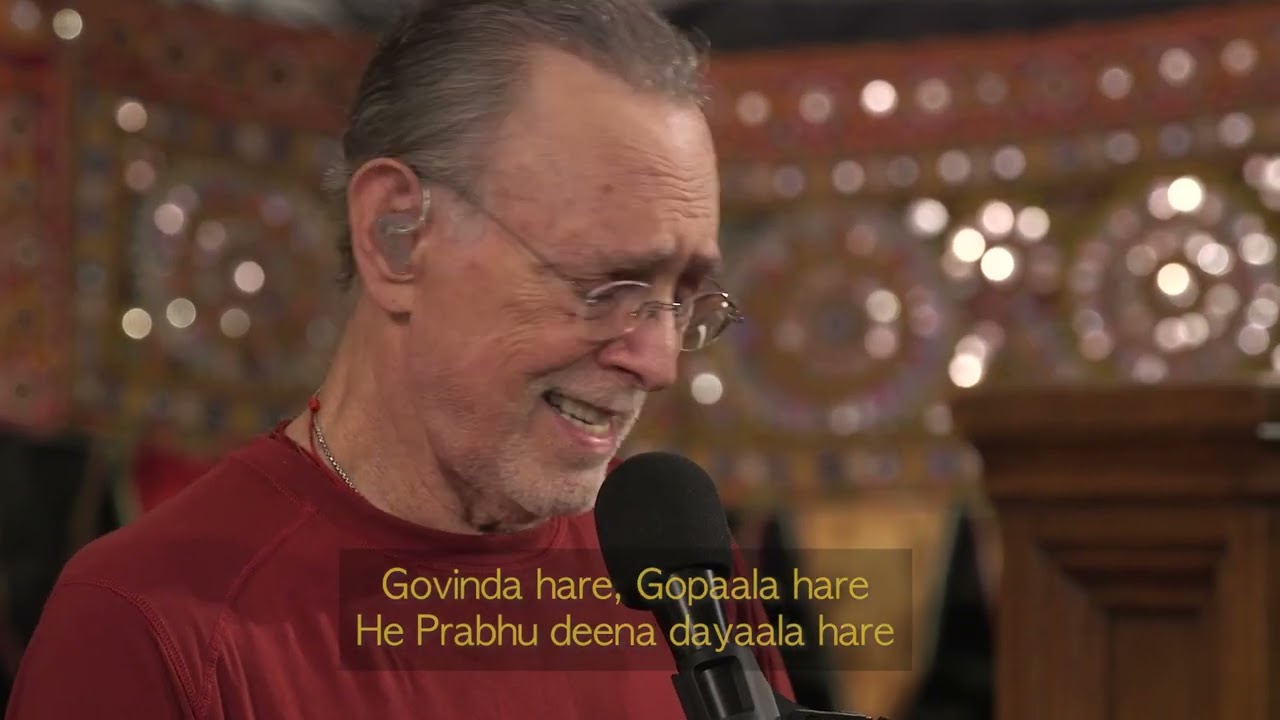
In the words of Krishna Das, "Maharaj-ji is in the breath, in the heart, in the song." This profound statement encapsulates the essence of divine presence, suggesting that the sacred is not confined to temples or scriptures but is woven into the very fabric of our existence. By recognizing Maharaj-ji, or the divine, in the most intimate aspects of life—our breath, our emotions, and our expressions—we are invited to experience a deeper connection to the universe and to ourselves. This understanding matters profoundly, as it shifts our perception from seeking the divine externally to recognizing its omnipresence within us.
As we delve into this quote, we uncover layers of meaning that resonate with the core of bhakti, the devotional path. The invocation of breath, heart, and song serves as a reminder that spirituality is not an abstract concept but a lived experience. It urges us to cultivate awareness in our daily lives, to find the sacred in the mundane, and to recognize that every moment is an opportunity for connection. This perspective invites us to explore how we can embody this teaching, transforming our understanding of spirituality into a practice that permeates our existence.
The image / the metaphor
The imagery in Krishna Das's quote is rich and evocative. The breath symbolizes life itself, the heart represents our emotional core, and the song embodies the expression of our spirit. Each element is interconnected, suggesting that the divine is not a distant entity but an integral part of our being. The choice of verbs—"is in"—implies a seamless integration of the divine into our everyday experiences, inviting us to perceive the sacred in the simplest acts of living.
Diving deeper into the metaphor, we see that breath is often associated with the life force, or prana, in many spiritual traditions. It is through breath that we connect to the present moment, grounding ourselves in the here and now. The heart, often viewed as the seat of love and compassion, reminds us that our emotional experiences are also pathways to the divine. The song, a universal expression of joy and sorrow, signifies that our creative expressions can be acts of devotion. Together, these elements create a holistic view of spirituality, where the divine is not separate from our daily lives but is intricately woven into our very essence.
In the speaker's tradition
Krishna Das, a prominent figure in the bhakti tradition, draws upon the teachings of his guru, Maharaj-ji, to convey the omnipresence of the divine. In bhakti, the concept of devotion transcends mere ritual; it is a heartfelt connection to the divine that permeates every aspect of life. This aligns with the idea of dharma, where one's duty and spiritual path are intertwined, guiding individuals to recognize the sacred in their actions and relationships. The notion of kenosis, or self-emptying, also resonates here, as it invites practitioners to let go of ego and open themselves to the divine presence that is always available.
In the context of bhakti literature, we can draw parallels to the teachings found in the Bhagavad Gita, where Krishna speaks of the divine as being present in all beings. The Gita emphasizes that recognizing the divine in others is essential for spiritual growth. Similarly, the concept of sunyata, or emptiness, in Buddhist thought echoes this sentiment, suggesting that the essence of existence is interdependent and filled with potential for awakening. These texts collectively reinforce the idea that the divine is not an external force but an intrinsic part of our reality, waiting to be acknowledged and embraced.
Living the teaching
Consider a modern scenario where this teaching can be applied: during a hectic day at work, one might feel overwhelmed by stress and distractions. In such moments, taking a moment to pause and focus on the breath can serve as a powerful reminder of the divine presence within. By consciously breathing, one can reconnect with the heart and cultivate a sense of calm, recognizing that even in chaos, the sacred is present. This practice transforms a mundane workday into an opportunity for spiritual connection, allowing individuals to navigate their responsibilities with grace and awareness.
In relationships, the teaching of recognizing Maharaj-ji in the heart can be particularly transformative. During conflicts or misunderstandings, remembering that the divine resides within both oneself and the other can foster compassion and empathy. Instead of reacting from a place of anger or frustration, one can approach the situation with love and understanding, seeing the other person as a reflection of the divine. This shift in perspective not only deepens connections but also cultivates a sense of peace and harmony in interpersonal dynamics, illustrating how the teachings of bhakti can be woven into the fabric of our daily interactions.
A reflection
As we contemplate the essence of Krishna Das's quote, we are invited to reflect on our own experiences of the divine in our lives. How often do we pause to recognize the sacred in our breath, our emotions, and our expressions? In what ways can we cultivate a deeper awareness of the omnipresence of the divine in our daily routines? This inquiry encourages us to explore the richness of our spiritual journey, inviting us to embrace the understanding that the divine is not only around us but also within us, waiting to be acknowledged and celebrated.