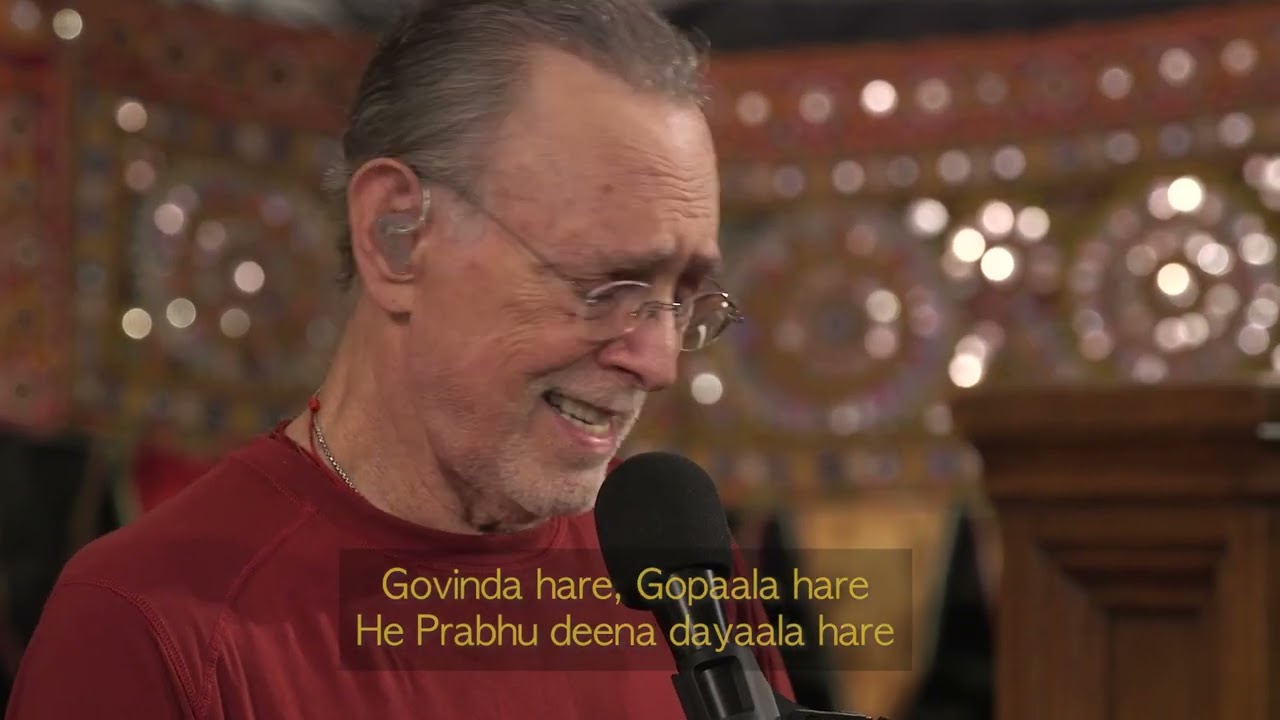
Embracing the Heart's Wounds: A Journey into Brokenness
In the poignant words of Krishna Das, "Don't run from the broken heart. Sing into it," we are invited to confront the painful realities of our emotional landscape rather than evade them. This call to action is not merely a suggestion; it is a profound invitation to engage with our suffering as a pathway to deeper understanding and connection. The stakes are high: in a world that often encourages us to mask our pain, this teaching urges us to embrace our vulnerabilities, transforming them into a source of strength and authenticity.
To "sing into" our broken hearts is to acknowledge the beauty that can emerge from our wounds. It is an act of courage, a declaration that our pain is not a burden to be hidden but a vital part of our human experience. This perspective invites us to explore the depths of our emotions, recognizing that within our heartache lies the potential for healing and growth. By engaging with our brokenness, we can cultivate a more profound sense of compassion for ourselves and others, ultimately leading us toward a more authentic existence.
The image / the metaphor
The imagery of singing into a broken heart evokes a sense of intimacy and vulnerability. Singing, an act often associated with joy and celebration, here becomes a means of communion with our pain. The choice of the verb "sing" suggests an active engagement, a willingness to express and explore our emotions rather than suppress them. This metaphor invites us to envision our broken hearts not as shattered remnants but as instruments capable of producing a unique melody, one that resonates with the truth of our experiences.
In the speaker's tradition
Krishna Das, rooted in the bhakti tradition, emphasizes the importance of devotion and surrender in the face of suffering. Bhakti, or the path of love and devotion, teaches us that our brokenness can lead us closer to the divine. Concepts such as dharma, the moral order of the universe, and kenosis, the act of self-emptying, resonate deeply within this context. By embracing our broken hearts, we align ourselves with the essence of bhakti, which encourages us to surrender our pain to a higher power, allowing it to transform us.
In the Bhagavad Gita, we find a parallel teaching in the concept of "samatva," or equanimity. This text encourages us to maintain a balanced mind in the face of joy and sorrow, suggesting that both are essential aspects of life. By singing into our broken hearts, we practice this equanimity, acknowledging our pain while simultaneously opening ourselves to the possibility of healing and connection. The Gita reminds us that our struggles can lead to greater wisdom and understanding, reinforcing the idea that brokenness is not an endpoint but a vital part of our spiritual journey.
Living the teaching
Consider a modern scenario where this teaching resonates: a person grappling with the end of a significant relationship. The instinct may be to retreat, to numb the pain with distractions or to avoid confronting the emotional turmoil. However, by choosing to "sing into" this broken heart, they might engage in practices such as journaling, art, or even music, allowing their feelings to flow freely. This active engagement can lead to profound insights, enabling them to process their grief and ultimately emerge with a deeper understanding of themselves and their capacity for love.
In another context, imagine a difficult moment at work where criticism feels overwhelming. Instead of reacting defensively or shutting down, one might take a moment to breathe, reflect, and express their feelings through a creative outlet or a conversation with a trusted friend. By singing into the brokenness of that moment, they can transform the experience into an opportunity for growth and connection. This practice of embracing vulnerability not only fosters resilience but also deepens relationships, as it encourages authenticity and openness in our interactions with others.
A reflection
As we contemplate Krishna Das's invitation to "sing into" our broken hearts, we are called to reflect on our relationship with our own pain. How often do we shy away from our emotional wounds, fearing their intensity? What if we approached our heartache with curiosity and compassion, allowing ourselves to fully experience and express it? In this spirit, consider this contemplative question: What would it mean for you to embrace your brokenness as a source of strength and creativity in your life?