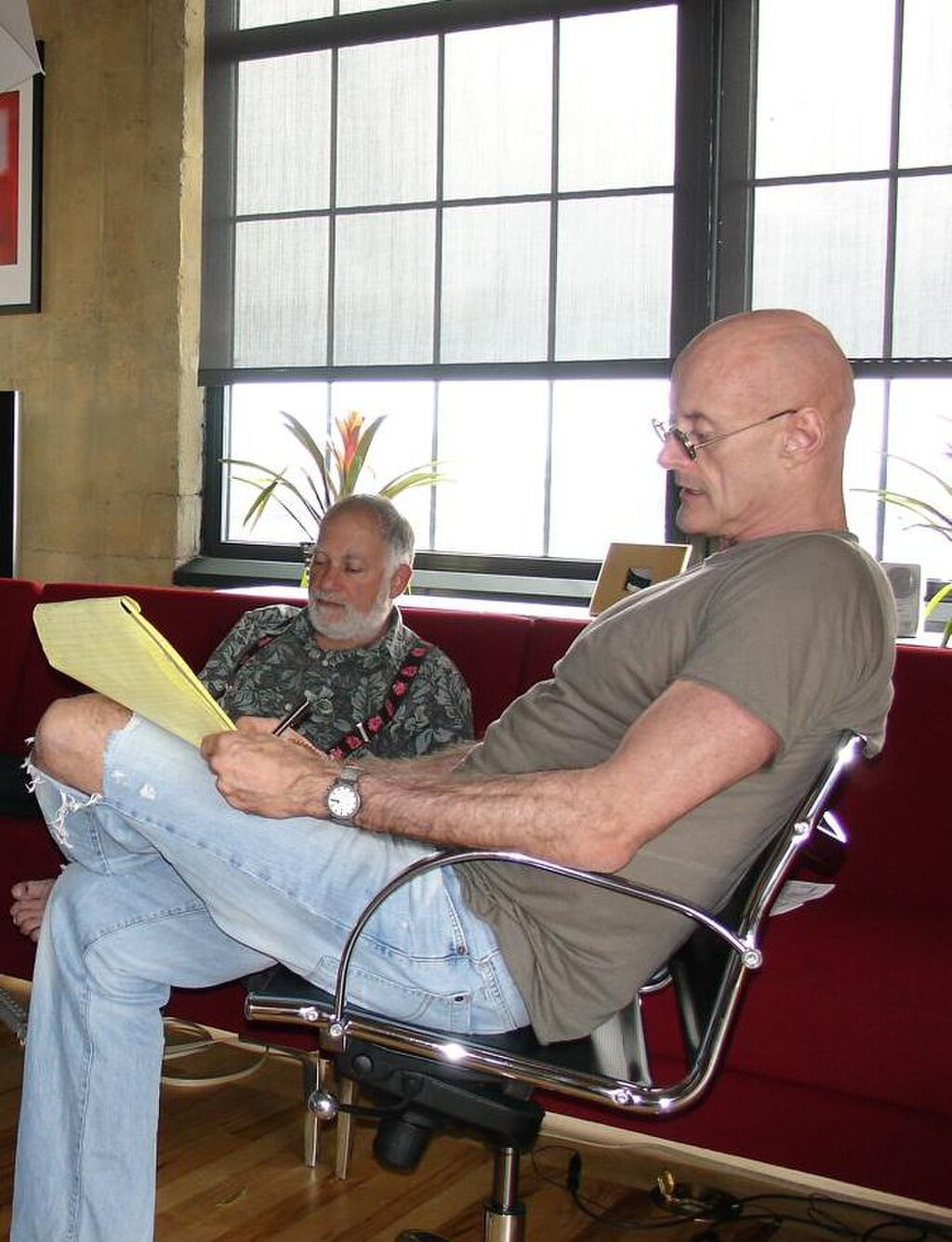
Ken Wilber's assertion that "Your level of consciousness shapes the world you see" invites us to reflect on the profound interplay between our inner states and the external realities we encounter. This statement suggests that our perceptions are not merely passive receptions of the world but active constructions influenced by our consciousness. Understanding this relationship is crucial, as it underscores the responsibility we hold in shaping our experiences and interactions with the world around us.
To delve deeper, we must recognize that consciousness is not a static entity; it evolves and transforms, impacting how we interpret our surroundings. Each moment of awareness, each shift in perspective, alters the lens through which we view our lives. This dynamic interplay between consciousness and perception is not only a philosophical inquiry but a practical guide for navigating the complexities of existence. By examining our consciousness, we can begin to understand how it colors our experiences and shapes our reality.
The image / the metaphor
At the heart of Wilber's quote lies a vivid metaphor: consciousness as a lens through which we perceive the world. The imagery evokes the idea of a painter standing before a blank canvas, where the brush strokes represent our thoughts, beliefs, and emotions. Each stroke adds depth and texture to the painting of our lives, illustrating how our inner landscape directly influences the outer world we experience. The verbs "shapes" and "see" suggest an active engagement, emphasizing that perception is not a mere observation but a creative act.
Delving deeper into this metaphor, we can consider the implications of being both the artist and the observer. Just as a painter can choose colors and techniques to express their vision, we too have the power to choose how we interpret our experiences. This dual role invites us to take ownership of our perceptions, recognizing that our consciousness can either illuminate or obscure the beauty and complexity of the world around us. In this sense, our level of consciousness becomes a powerful tool for transformation.
In the speaker's tradition
Ken Wilber's insights are deeply rooted in the integral tradition, which emphasizes the interconnectedness of all aspects of existence. Concepts such as dharma, or one's life purpose, and kenosis, the act of self-emptying, resonate with the idea that our consciousness shapes our reality. In this framework, the evolution of consciousness is not merely an individual journey but a collective one, where each person's awakening contributes to the greater tapestry of human experience. This perspective encourages us to cultivate a higher level of awareness, recognizing that our perceptions can either elevate or diminish the collective consciousness.
Wilber's work often draws on various spiritual traditions, weaving together insights from Buddhism, Hinduism, and Western philosophy. For instance, the Buddhist concept of sunyata, or emptiness, aligns with the idea that our perceptions are shaped by the mental constructs we hold. When we let go of rigid beliefs and attachments, we open ourselves to a more expansive view of reality. This aligns with Wilber's assertion that a higher level of consciousness allows us to see beyond the limitations of our conditioned minds, fostering a deeper understanding of ourselves and the world.
Living the teaching
Consider a modern scenario where this teaching resonates: a workplace filled with tension and competition. An employee, burdened by stress and a narrow perspective, may perceive colleagues as adversaries rather than collaborators. However, if this individual begins to cultivate a higher level of consciousness—practicing mindfulness, empathy, and open communication—they can shift their perception. Suddenly, the workplace transforms from a battleground into a space of cooperation and shared purpose, illustrating how consciousness shapes not only personal experiences but also collective environments.
In a different context, think about relationships, particularly during moments of conflict. When faced with a disagreement, one partner may view the situation through a lens of defensiveness and blame, leading to a cycle of misunderstanding. However, if they consciously choose to elevate their awareness—practicing compassion and seeking to understand the other's perspective—they can reshape the narrative. This shift in consciousness not only alters their perception of the conflict but also paves the way for healing and deeper connection, demonstrating the transformative power of awareness in our daily lives.
A reflection
As we contemplate Wilber's profound statement, we are invited to consider the nature of our own consciousness. How does our current level of awareness shape the world we perceive? In what ways can we cultivate a deeper understanding of ourselves and our surroundings? Reflecting on these questions can illuminate the path toward greater awareness and transformation, encouraging us to embrace the responsibility we hold in shaping our realities.


