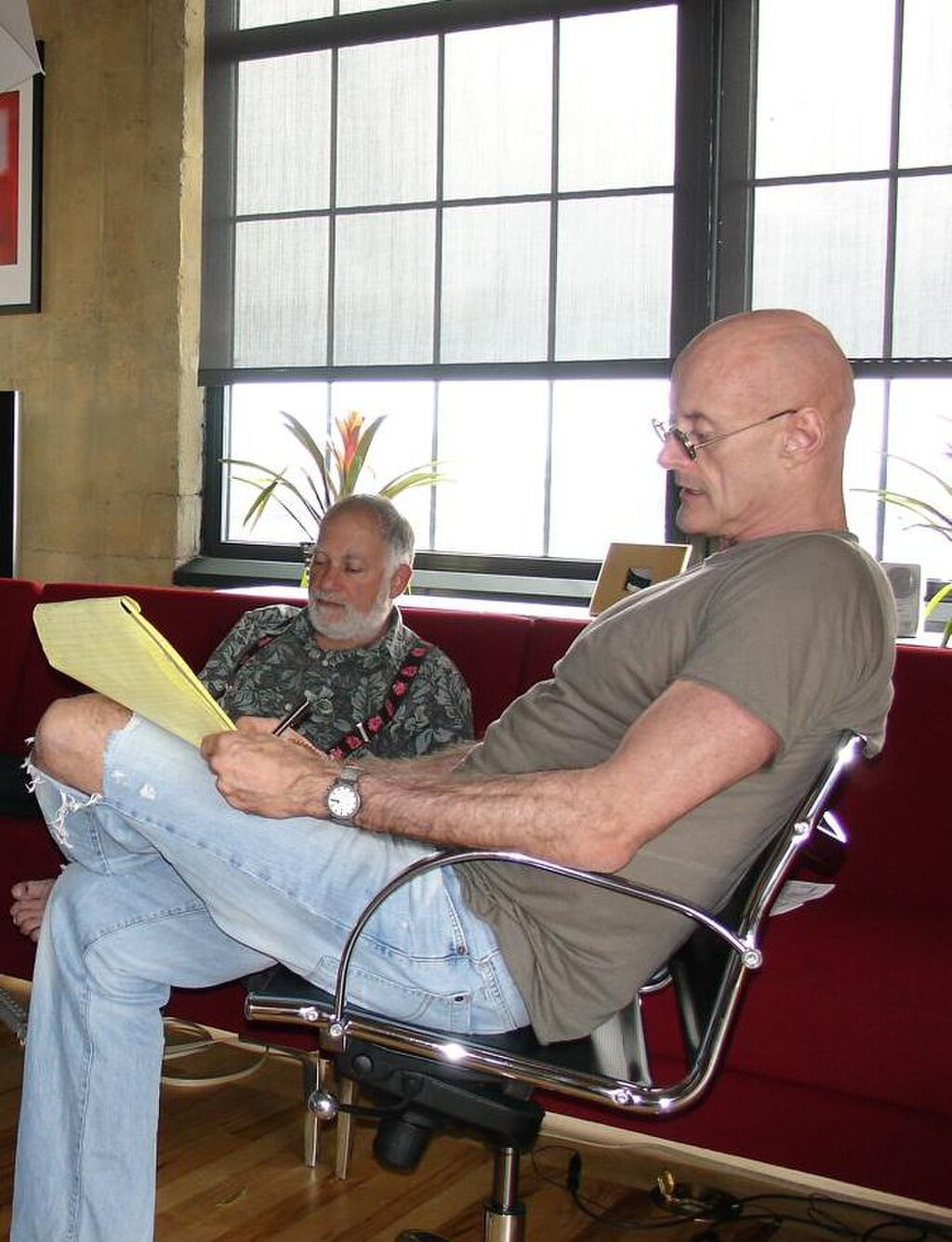
Ken Wilber's assertion that "to grow is to make what you are unconsciously, conscious" invites us to explore the intricate relationship between our hidden selves and our conscious awareness. This statement emphasizes the transformative power of self-awareness in personal growth. It suggests that true evolution occurs not merely through external achievements but through an internal awakening, where we bring to light the aspects of ourselves that have remained dormant or unrecognized. Understanding this dynamic is crucial, as it lays the foundation for deeper self-knowledge and authentic living.
In a world often preoccupied with surface-level accomplishments, Wilber's insight serves as a gentle reminder of the profound inner work required for genuine growth. The journey from the unconscious to the conscious is not merely a psychological endeavor; it is a spiritual pilgrimage that calls us to confront our fears, desires, and unexamined beliefs. By illuminating the shadows of our psyche, we can cultivate a more integrated self, leading to a richer, more meaningful existence. This process is not only personal but also collective, as our individual growth contributes to the evolution of consciousness in the broader human experience.
The image / the metaphor
At its core, Wilber's quote evokes a vivid image of a seed breaking through the soil, reaching for the light. The verbs "grow" and "make" imply an active engagement with our inner landscape, suggesting that growth is not a passive occurrence but a deliberate act of bringing forth what lies beneath the surface. The unconscious, often likened to a vast ocean, holds treasures and truths that, when acknowledged, can nourish our conscious selves. This imagery invites us to consider the depth of our being and the potential that lies within, waiting to be discovered.
Delving deeper into this metaphor, we can see that the process of making the unconscious conscious is akin to the alchemical transformation of lead into gold. It requires patience, courage, and a willingness to confront discomfort. Just as alchemy seeks to purify and elevate base materials, our inner work seeks to refine our understanding of ourselves. This journey is not linear; it is filled with twists and turns, moments of clarity, and periods of confusion. Yet, each step taken toward consciousness is a step toward wholeness, allowing us to embrace our complexities and contradictions.
In the speaker's tradition
Ken Wilber's integral philosophy is rooted in a holistic understanding of human development, drawing from various spiritual and psychological traditions. Concepts such as dharma, the inherent purpose of an individual, and kenosis, the act of self-emptying, resonate deeply with the idea of making the unconscious conscious. In this context, growth is not merely about personal achievement but about aligning with one's true nature and the greater cosmos. Wilber's work encourages us to integrate insights from Eastern and Western thought, fostering a more comprehensive view of consciousness.
In his seminal work, "Integral Psychology," Wilber discusses the importance of integrating various aspects of the self, including the shadow—the parts of ourselves we often deny or repress. This integration process echoes the teachings found in many spiritual traditions, such as the Buddhist concept of sunyata, or emptiness, which invites us to recognize the transient nature of our identities. By acknowledging and embracing our unconscious aspects, we can cultivate a more profound sense of self-awareness and compassion, ultimately leading to a more integrated and harmonious existence.
Living the teaching
Consider a modern scenario where this teaching can be applied: a professional grappling with feelings of inadequacy in their career. Despite outward success, they may harbor deep-seated fears of failure or unworthiness that remain unexamined. By engaging in reflective practices such as journaling or therapy, they can begin to uncover these unconscious beliefs, transforming them into conscious awareness. This process not only alleviates the burden of self-doubt but also empowers them to pursue their passions with renewed vigor and authenticity.
In the realm of relationships, the teaching of making the unconscious conscious can manifest in moments of conflict. Imagine a couple facing recurring arguments that stem from unspoken resentments or unmet needs. By fostering open communication and vulnerability, they can bring these unconscious dynamics to light, allowing for healing and deeper connection. This practice of conscious dialogue not only strengthens their bond but also cultivates a shared understanding of each other's inner worlds, paving the way for a more compassionate and fulfilling partnership.
A reflection
As we contemplate Wilber's profound insight, we are invited to consider: What aspects of my life remain unconscious, waiting to be brought into the light of awareness? This question serves as a powerful catalyst for introspection, encouraging us to explore the hidden corners of our psyche. By engaging with this inquiry, we can embark on a transformative journey toward self-discovery, ultimately enriching our lives and the lives of those around us.


