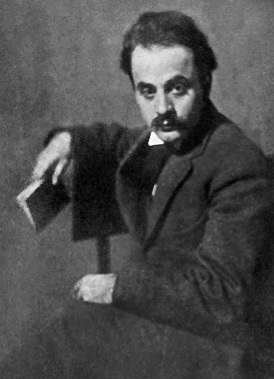
Kahlil Gibran's poignant declaration, "Pure was I created, and pure will I remain forever," invites us to reflect on the essence of purity as an intrinsic quality of our being. This assertion, made by a seemingly simple sheet of snow-white paper, serves as a profound reminder of the untainted nature of existence. In a world often clouded by complexities and moral ambiguities, Gibran's words beckon us to consider the purity that resides within us, untouched by external circumstances or societal judgments. The stakes are high; recognizing this purity can lead to a transformative understanding of self and the world around us.
Delving deeper, Gibran's metaphor of the snow-white paper suggests a state of humility and authenticity. The paper, in its pristine form, symbolizes a blank canvas, representing potential and the possibility of creation. This purity is not merely an absence of blemish but a state of being that allows for genuine expression and connection. In acknowledging our inherent purity, we are called to embrace our true selves, free from the distortions of fear, shame, or societal expectations. This exploration of purity is not just a philosophical exercise; it is a pathway to deeper spiritual awakening.
The image / the metaphor
The imagery of a snow-white sheet of paper evokes a sense of clarity and simplicity. The choice of the word "pure" resonates with a deep, almost childlike innocence, suggesting that purity is a fundamental aspect of existence. The verbs "created" and "remain" imply a continuity of this purity, emphasizing that it is not something to be earned or achieved but rather a state of being that is inherent to our nature. This felt sense of purity invites us to consider how we might return to this original state, shedding the layers of complexity that life often imposes upon us.
As a metaphor, the snow-white paper transcends its physical form, representing the potential for creativity and expression that lies within each of us. Just as the paper awaits the ink of a pen to bring forth ideas and stories, our purity awaits the experiences of life to unfold our true essence. This metaphor challenges us to recognize that while we may encounter stains and marks throughout our journey, the underlying purity remains intact. It encourages us to approach life with a sense of wonder and openness, allowing our authentic selves to emerge amidst the chaos.
In the speaker's tradition
Kahlil Gibran, a luminary in the realm of Christian mysticism, draws upon themes that resonate deeply within this tradition. Concepts such as kenosis—the self-emptying of one's will—echo the sentiment of purity expressed in the quote. In the Christian mystical tradition, purity is often associated with the divine nature of creation, suggesting that to recognize our inherent purity is to align ourselves with the divine will. This alignment invites us to live authentically, free from the burdens of ego and expectation, much like the snow-white paper that remains unmarked by the world.
In Gibran's work, we can find echoes of the mystical writings of figures such as Meister Eckhart, who spoke of the soul's return to its original state of unity with God. Eckhart's teachings on the necessity of detachment and the embrace of one's true nature resonate with Gibran's assertion of purity. The idea that we are created in a state of purity and that this state can be preserved through humility and self-awareness is a thread that weaves through the tapestry of Christian mysticism, inviting us to explore the depths of our spiritual journey.
Living the teaching
Consider a modern scenario where the teaching of purity manifests in the workplace. Imagine a colleague who consistently approaches their tasks with integrity and authenticity, untainted by the competitive pressures that often cloud judgment. This individual embodies the essence of the snow-white paper, remaining true to their values despite external challenges. Their presence serves as a reminder that purity in intention can foster a culture of trust and collaboration, encouraging others to embrace their own authenticity in the process.
In the realm of relationships, the teaching of purity can be particularly transformative. Picture a moment of conflict between partners, where misunderstandings and hurt feelings threaten to overshadow the love that exists between them. By returning to the essence of their connection—recognizing the purity of their intentions and the love that initially brought them together—they can navigate the conflict with humility and compassion. This practice of returning to purity allows for healing and deeper understanding, reinforcing the idea that beneath the complexities of human interaction lies an unblemished core.
A reflection
As we contemplate Gibran's assertion, we are invited to ask ourselves: In what ways can I recognize and honor the purity within me? This question encourages a deep introspection, prompting us to explore the layers of our identity and the influences that may have obscured our true selves. By engaging with this inquiry, we open ourselves to the possibility of rediscovering our inherent purity, allowing it to guide our actions and interactions in a world that often seeks to complicate our existence.
