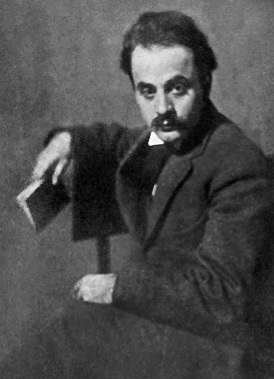
Kahlil Gibran's evocative assertion, "Only when you drink from the river of silence shall you indeed sing," invites us to explore the profound relationship between silence and expression. In a world often filled with noise and distraction, this quote serves as a reminder of the necessity of inner stillness for authentic self-expression. The stakes are high; without this silence, our voices may become mere echoes of external influences rather than the true melodies of our souls.
Silence, in Gibran's view, is not merely the absence of sound but a fertile ground from which genuine creativity and insight can emerge. To "drink from the river of silence" suggests an active engagement with stillness, a deliberate choice to immerse ourselves in the depths of our inner landscape. This immersion is not passive; it requires intention and courage, as we confront the noise that often drowns out our true selves. Only through this process can we hope to "sing"—to express our unique truths and share our authentic voices with the world.
The image / the metaphor
The imagery of a "river of silence" conjures a vivid picture of a flowing, life-giving source that nourishes the spirit. Rivers are often associated with movement and change, yet here, Gibran emphasizes the stillness found within their depths. The act of drinking from this river implies a deep, personal engagement with silence, suggesting that it is not merely a backdrop to our lives but a vital element that sustains us. The verbs chosen—"drink" and "sing"—evoke a sense of nourishment and expression, highlighting the transformative power of silence in our lives.
Diving deeper into the metaphor, silence can be seen as a sacred space where we encounter our innermost thoughts and feelings. It is within this sanctuary that we can sift through the noise of the world and discover our authentic selves. The river symbolizes a continuous flow of wisdom and insight, suggesting that silence is not a stagnant void but a dynamic force that can inspire and uplift us. To "sing" after drinking from this river indicates that true expression arises from a place of deep understanding and connection to our inner truth.
In the speaker's tradition
Kahlil Gibran, a luminary of Christian mysticism, draws upon themes that resonate deeply within this tradition. Concepts such as kenosis—the self-emptying of one's will to make space for divine presence—parallel the idea of drinking from the river of silence. Just as kenosis invites us to let go of our ego-driven desires, Gibran's call to silence encourages us to quiet the incessant chatter of the mind, allowing for a more profound connection to the divine and to our true selves. This journey into silence is akin to the practice of bhakti, where devotion and love for the divine lead to a deeper understanding of one's purpose and voice.
In Gibran's work, particularly in "The Prophet," we find echoes of the mystical tradition that emphasizes the importance of inner stillness. The text speaks to the necessity of solitude and contemplation as pathways to wisdom. For instance, when Gibran writes about love, he emphasizes that true love arises from a deep understanding of oneself and others, a theme that resonates with the contemplative practices found in Christian mysticism. This connection between silence and love underscores the idea that our most authentic expressions are born from a place of deep inner reflection.
Living the teaching
Consider a modern scenario where this teaching finds relevance: a busy professional overwhelmed by the demands of work and life. In the midst of deadlines and responsibilities, the individual feels a growing sense of disconnection from their true self. By intentionally carving out moments of silence—perhaps through meditation or simply sitting in stillness—this person can begin to reconnect with their inner voice. In these quiet moments, they may discover insights and creativity that had been obscured by the noise of daily life, allowing them to express their thoughts and feelings more authentically.
In relationships, the teaching of Gibran can also manifest profoundly. Imagine a couple facing a conflict, each person caught in a cycle of reactive communication. By taking a step back and embracing silence—whether through a brief pause in conversation or a dedicated time for reflection—they can create space for understanding and empathy. This silence allows them to listen not only to each other but also to their own feelings, leading to a more compassionate dialogue. In both scenarios, the act of drinking from the river of silence becomes a transformative practice, enabling deeper connections and authentic expressions.
A reflection
As we contemplate Gibran's words, we are invited to consider the role of silence in our own lives. How often do we allow ourselves the space to be still, to listen to the whispers of our hearts? In a world that often prioritizes noise and busyness, the challenge lies in cultivating moments of silence that nourish our souls. What might you discover about yourself if you were to drink from the river of silence today?
