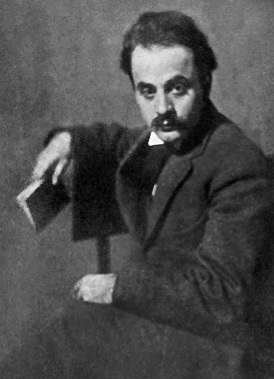
Kahlil Gibran's poignant observation encapsulates the fleeting nature of human emotions and the profound weight of memory. He suggests that while the initial spark of attraction can ignite in mere moments, the deeper connections of affection and love unfold over time. Yet, paradoxically, the act of forgetting someone—especially one who has touched our hearts—can span a lifetime. This reflection invites us to consider the complexities of our emotional landscapes and the lasting imprints that relationships leave on our souls.
In a world often characterized by rapid connections and transient interactions, Gibran's words serve as a reminder of the depth and intricacy of human relationships. They challenge us to reflect on the nature of love, the significance of memory, and the emotional burdens we carry. As we navigate our lives, the quote urges us to honor the connections we forge, recognizing that while feelings may fade, the memories of those we have loved remain etched in our hearts, shaping who we are.
The image / the metaphor
The imagery in Gibran's quote is rich and layered, evoking a spectrum of emotional experiences. The verbs he employs—"crush," "like," "love," and "forget"—each carry distinct connotations, illustrating the varying depths of human connection. A "crush" is often impulsive and superficial, a fleeting moment of infatuation that can ignite excitement but lacks substance. In contrast, "liking" someone suggests a deeper appreciation, while "loving" someone embodies a profound commitment that transcends time and circumstance. The final act of forgetting, however, is portrayed as a monumental task, one that stretches across a lifetime, emphasizing the enduring nature of love's impact.
Diving deeper into the metaphor, Gibran captures the essence of human experience: the transient versus the eternal. The initial moments of attraction are akin to the ephemeral beauty of a flower blooming, vibrant yet short-lived. As we move toward love, the relationship deepens, akin to the roots of that flower anchoring it firmly in the soil. Yet, the act of forgetting is likened to the slow erosion of a mountain—an arduous process that takes time and effort, highlighting the indelible marks that love leaves on our psyche. This metaphor invites us to reflect on how we cherish and carry our connections, even as we navigate the complexities of letting go.
In the speaker's tradition
Kahlil Gibran, a luminary in the realm of Christian mysticism, draws upon themes that resonate deeply within this tradition. His exploration of love and memory aligns with the concept of "kenosis," or self-emptying, where one surrenders the self to the experience of love. This act of letting go is not merely about relinquishing control but about embracing the fullness of connection, even when it brings pain. In Gibran's view, love is a transformative force that shapes our existence, urging us to engage with our emotions fully, regardless of the potential for heartache.
Moreover, Gibran's reflections echo the teachings found in mystical texts, such as the writings of St. John of the Cross, who speaks of the "dark night of the soul." This journey through suffering and longing ultimately leads to a deeper understanding of love and connection. Just as Gibran suggests that forgetting takes a lifetime, so too does the mystical path require patience and perseverance, as we learn to navigate the complexities of love and loss. In this light, Gibran's words become a meditation on the sacredness of our emotional experiences, inviting us to embrace the full spectrum of love's journey.
Living the teaching
Consider a modern scenario where Gibran's teaching resonates profoundly: the experience of a breakup. In the immediate aftermath, one may feel a rush of emotions—anger, sadness, and even relief—each of which can be fleeting. However, as time passes, the process of healing reveals deeper layers of affection and connection that linger long after the relationship has ended. The memories of shared moments, laughter, and intimacy can haunt us, reminding us of the love that once was. This scenario illustrates Gibran's assertion that while we may move on, the echoes of love remain, shaping our future relationships and our understanding of ourselves.
Another application of this teaching can be found in the context of familial love. Imagine a parent who has devoted their life to nurturing their child. As the child grows and begins to forge their own path, the parent may experience feelings of loss and nostalgia. The love they have poured into their child does not simply dissipate; instead, it transforms into a complex tapestry of memories that the parent carries with them. Gibran's insight reminds us that the love we give and receive is not easily forgotten; it becomes a part of our very being, influencing our actions and relationships for years to come.
A reflection
As we contemplate Gibran's profound words, we are invited to reflect on the nature of our own relationships and the memories we carry. What connections have left an indelible mark on your heart? In what ways do you honor the love you have experienced, even as you navigate the complexities of letting go? Consider how these memories shape your present and future, and allow yourself to sit with the beauty and pain of love's enduring legacy.
