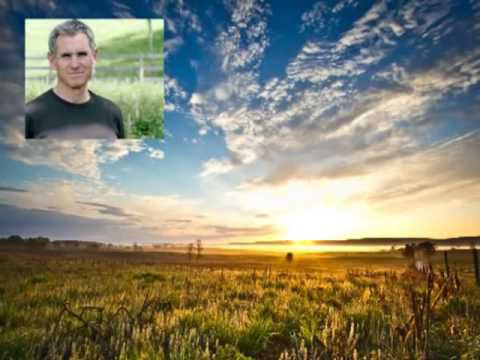
In the profound words of Jon Kabat-Zinn, "The map is not the territory. The breath is the territory." This statement invites us to recognize the distinction between our conceptual frameworks—our maps—and the lived experience of being present, which is embodied in our breath. Understanding this difference is crucial in a world often dominated by distractions and mental constructs, as it encourages us to ground ourselves in the immediacy of our existence. The stakes are high; by anchoring ourselves in the breath, we can transcend the limitations of our thoughts and connect with the fullness of life itself.
As we delve deeper into this quote, we uncover layers of meaning that speak to the essence of mindfulness. The "map" represents our mental models, beliefs, and interpretations of reality, which can often lead us astray. In contrast, the "territory" signifies the raw, unfiltered experience of the present moment, accessible through the simple act of breathing. This distinction is not merely academic; it is a call to cultivate awareness and presence, reminding us that true understanding arises not from intellectualization but from direct experience. In a society that often prioritizes the cerebral over the visceral, Kabat-Zinn's words serve as a gentle yet firm reminder to return to the body and the breath.
The image / the metaphor
The imagery of a map and territory evokes a powerful contrast between abstraction and reality. A map, with its symbols and lines, represents our attempts to navigate the complexities of life, yet it can never capture the full richness of the terrain it seeks to depict. The verbs "is" and "not" in the quote emphasize a definitive separation; while maps can guide us, they are ultimately limited and cannot replace the lived experience of the territory itself. In this context, breath becomes a vital touchstone, a tangible experience that roots us in the here and now.
Diving deeper into the metaphor, we see that the breath serves as a bridge between the mind and body, a conduit through which we can access the present moment. When we focus on our breath, we engage with the territory of our existence, feeling the rise and fall of our chest, the coolness of air entering our nostrils, and the warmth of exhalation. This embodied awareness invites us to let go of the maps that confine us, allowing us to explore the vast landscape of our inner and outer worlds. In this way, breath becomes not just a physiological function but a profound spiritual practice, inviting us to inhabit our lives more fully.
In the speaker's tradition
Jon Kabat-Zinn's teachings are deeply rooted in the tradition of mindfulness, which emphasizes the importance of present-moment awareness and the cultivation of a non-judgmental attitude toward our experiences. Concepts such as dharma, or the natural order of things, resonate with the idea that our breath connects us to the unfolding of life itself. In this context, the practice of mindfulness encourages us to embrace the territory of our breath as a means of aligning with our true nature, fostering a sense of peace and clarity amidst the chaos of modern existence.
In his seminal work, "Wherever You Go, There You Are," Kabat-Zinn articulates the importance of being fully present, echoing the teachings found in ancient texts such as the Satipatthana Sutta, which outlines the foundations of mindfulness practice. This text invites practitioners to observe their breath, body, feelings, and mind, emphasizing that true understanding arises from direct experience rather than intellectual analysis. By situating the breath as the territory, Kabat-Zinn aligns with these timeless teachings, inviting us to engage with our lives in a more profound and meaningful way.
Living the teaching
Consider a modern scenario where this teaching can be applied: you find yourself overwhelmed by the demands of daily life, juggling work responsibilities, family obligations, and social commitments. In such moments, it is easy to become lost in the mental maps we create, filled with to-do lists and expectations. However, by consciously returning to your breath, you can anchor yourself in the present, allowing the chaos to recede as you reconnect with the territory of your experience. This practice not only calms the mind but also opens up space for clarity and insight, enabling you to navigate your responsibilities with greater ease.
Another application of this teaching can be found in interpersonal relationships. Imagine a moment of conflict with a loved one, where emotions run high and misunderstandings abound. In such instances, it is tempting to cling to our mental maps of right and wrong, fueling the fire of discord. Yet, by focusing on your breath, you can create a pause that allows for reflection and empathy. This simple act of returning to the breath can transform the interaction, fostering a deeper connection and understanding, as you both step away from the maps of your perceptions and into the shared territory of your humanity.
A reflection
As we contemplate the wisdom of Kabat-Zinn's quote, we are invited to reflect on our own relationship with the maps we carry and the territories we inhabit. How often do we find ourselves lost in the intricacies of our thoughts, neglecting the simple yet profound experience of our breath? In what ways can we cultivate a deeper awareness of our breath as a means of grounding ourselves in the present moment? As you ponder these questions, consider how embracing the territory of your breath might transform your experience of life.