The Power of Choice: Crafting Our Impact
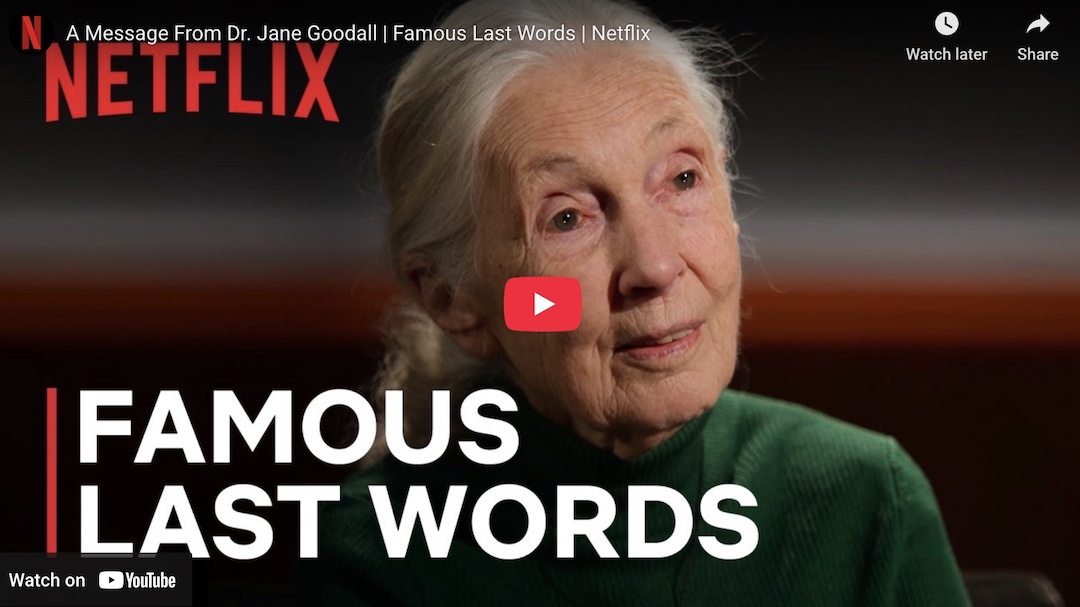
Jane Goodall's assertion that "What you do makes a difference, and you have to decide what kind of difference you want to make" invites us to reflect deeply on our actions and their consequences. In a world increasingly fraught with environmental and social challenges, the weight of our choices becomes ever more significant. This quote serves as a gentle yet firm reminder that our individual actions, no matter how small, contribute to the larger tapestry of existence. The stakes are high; our decisions shape not only our lives but also the world around us.
Goodall's words resonate with a profound truth about agency and responsibility. They challenge us to consider not only the impact of our actions but also the intention behind them. In a society often driven by external validation and material success, this call to introspection encourages us to align our actions with our values. It beckons us to ask ourselves what legacy we wish to leave behind, urging us to cultivate a sense of purpose that transcends mere existence.
The image / the metaphor
The imagery embedded in Goodall's quote is rich and evocative. The phrase "what you do makes a difference" suggests a ripple effect, where each action sends out waves that can touch lives far beyond our immediate surroundings. The verbs "do" and "decide" emphasize the active role we play in shaping our reality. This duality of action and choice encapsulates the essence of agency, inviting us to engage with the world thoughtfully and purposefully.
Diving deeper into the metaphor, we can envision our lives as a canvas, where every decision is a brushstroke contributing to a larger masterpiece. Each choice we make, whether it be in our personal lives, our communities, or our interactions with nature, adds color and depth to this creation. Goodall's call to "decide what kind of difference" we want to make highlights the importance of conscious intention in our actions, urging us to reflect on the values we wish to embody and the impact we aspire to have.
In the speaker's tradition
Jane Goodall's work is deeply rooted in the tradition of contemplative ecology, which emphasizes the interconnectedness of all living beings and the moral responsibility we hold towards the Earth. This perspective aligns with concepts such as dharma, which refers to the ethical path one must follow, and prajna, the wisdom that arises from understanding our place within the web of life. Goodall's emphasis on choice and action reflects a profound awareness of our interconnected existence, urging us to act with compassion and mindfulness.
In her book "Reason for Hope," Goodall draws on her experiences with chimpanzees and the natural world to illustrate the profound impact of individual actions. She often cites the importance of empathy and understanding in fostering a sense of responsibility towards the environment. This echoes the teachings found in various spiritual traditions, where the cultivation of awareness and compassion leads to a more harmonious existence with all beings.
Living the teaching
Consider a modern scenario where Goodall's teaching can be applied: a community grappling with environmental degradation. Individuals within this community face choices daily—whether to recycle, reduce waste, or advocate for sustainable practices. Each decision, no matter how small, contributes to the collective effort of healing the environment. By consciously choosing to engage in eco-friendly practices, individuals not only enhance their own lives but also inspire others to follow suit, creating a ripple effect of positive change.
This teaching can also manifest in personal relationships. Imagine a moment of conflict with a loved one, where the choice to respond with kindness rather than anger can alter the course of that relationship. By deciding to approach the situation with empathy and understanding, one can foster deeper connections and create a more supportive environment. This choice, rooted in intention, exemplifies how our actions can significantly impact the emotional landscape of our lives and those around us.
A reflection
As we contemplate Goodall's profound words, we are invited to engage in a reflective practice: What kind of difference do I want to make in my life and the lives of others? This question encourages us to explore our values, our passions, and the legacy we wish to leave behind. In a world that often feels chaotic and overwhelming, this inquiry can serve as a guiding light, helping us navigate our choices with clarity and purpose.