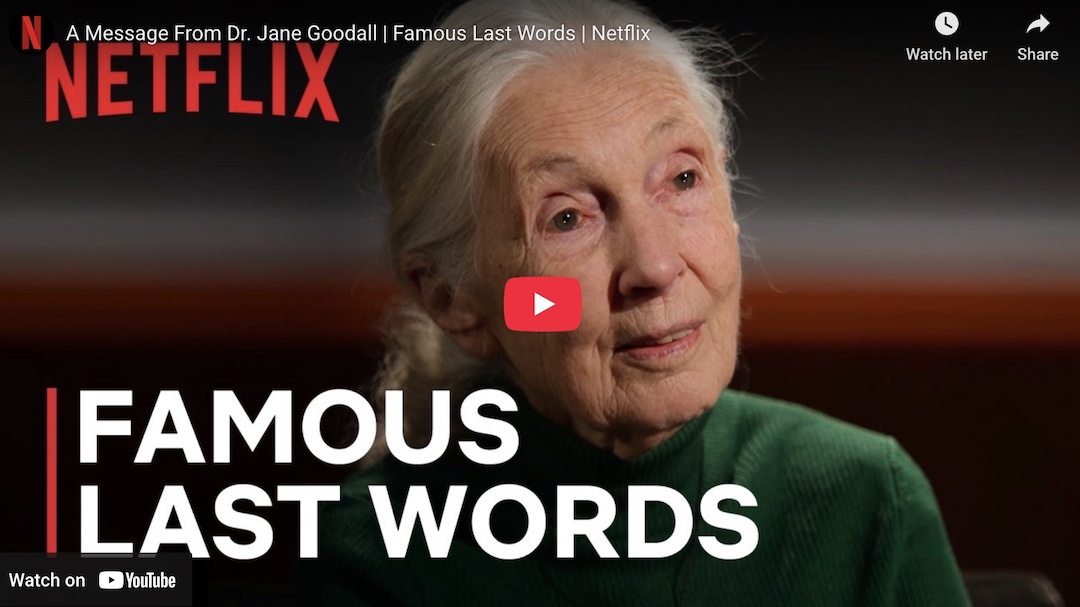
In her poignant words, Jane Goodall urges those enveloped in despair to resist the temptation of surrender. She emphasizes the importance of seeking out community, suggesting that collective strength can illuminate the path forward. This message resonates deeply in a world often fraught with challenges, where feelings of isolation can amplify our struggles. Goodall's call is not merely a platitude; it is an invitation to engage with others, fostering a sense of belonging that can transform our darkest moments into opportunities for hope and renewal.
Desperation can feel like an insurmountable wall, a barrier that isolates us from the very connections that can provide solace. Goodall's assertion that we should "find others" speaks to the innate human need for companionship and support. In times of crisis, it is easy to retreat into ourselves, yet it is precisely in these moments that reaching out can be the most powerful act of defiance against despair. Together, we can cultivate resilience, drawing strength from shared experiences and collective wisdom, ultimately reminding us that we are never truly alone.
The image / the metaphor
The imagery in Goodall's quote evokes a sense of urgency and hope. The phrase "do not give up" carries a weight of emotional gravity, suggesting that despair is a formidable adversary. The act of "finding others" conjures images of reaching out, of hands extended in solidarity, and of hearts opening to one another. The verbs chosen—"give up" and "find"—contrast the act of surrender with the proactive pursuit of connection, highlighting the transformative power of community in overcoming adversity.
In the speaker's tradition
Jane Goodall's insights are deeply rooted in the contemplative-ecology tradition, which emphasizes the interconnectedness of all living beings. This perspective aligns with concepts such as "interbeing" in Buddhist philosophy, where the essence of existence is understood as a web of relationships. Goodall's call to find others resonates with the idea of "kenosis," or self-emptying, where individuals let go of their isolation to embrace a shared humanity. In this light, her message becomes a spiritual practice, inviting us to transcend our individual struggles and recognize our place within the larger ecological and social fabric.
In her book "The Book of Hope," Goodall draws upon her extensive experiences with chimpanzees and the natural world to illustrate the profound connections that exist among all creatures. This mirrors the teachings found in the works of Thich Nhat Hanh, who speaks of "mindfulness" as a means to cultivate awareness of our interdependence. Just as Hanh encourages us to recognize the presence of others in our lives, Goodall's message serves as a reminder that hope flourishes in the soil of community, where we can nurture one another's spirits and foster a sense of belonging.
Living the teaching
Consider a modern scenario where this teaching resonates: a community grappling with the effects of climate change. Individuals may feel overwhelmed by the enormity of the crisis, leading to feelings of helplessness. However, when they come together—whether through local environmental initiatives, support groups, or educational workshops—they can share their fears, ideas, and resources. This collective action not only empowers individuals but also creates a sense of purpose, reminding them that they are part of a larger movement working toward positive change.
In a more personal context, think about a relationship strained by misunderstandings or conflict. One partner may feel desperate, believing that the situation is hopeless. Yet, by reaching out and engaging in open dialogue, they can find common ground and rebuild their connection. This act of vulnerability and willingness to seek support from one another can transform despair into understanding, illustrating how the principles of community and collaboration can heal even the most fractured bonds.
A reflection
As we contemplate Goodall's powerful message, we might ask ourselves: In what areas of my life do I feel isolated, and how can I reach out to others for support? This question invites introspection and encourages us to consider the ways in which we can foster connections, both for our own well-being and for the benefit of those around us. By embracing the spirit of community, we can cultivate a sense of hope that transcends our individual struggles, reminding us that together, we can navigate the complexities of life with resilience and grace.