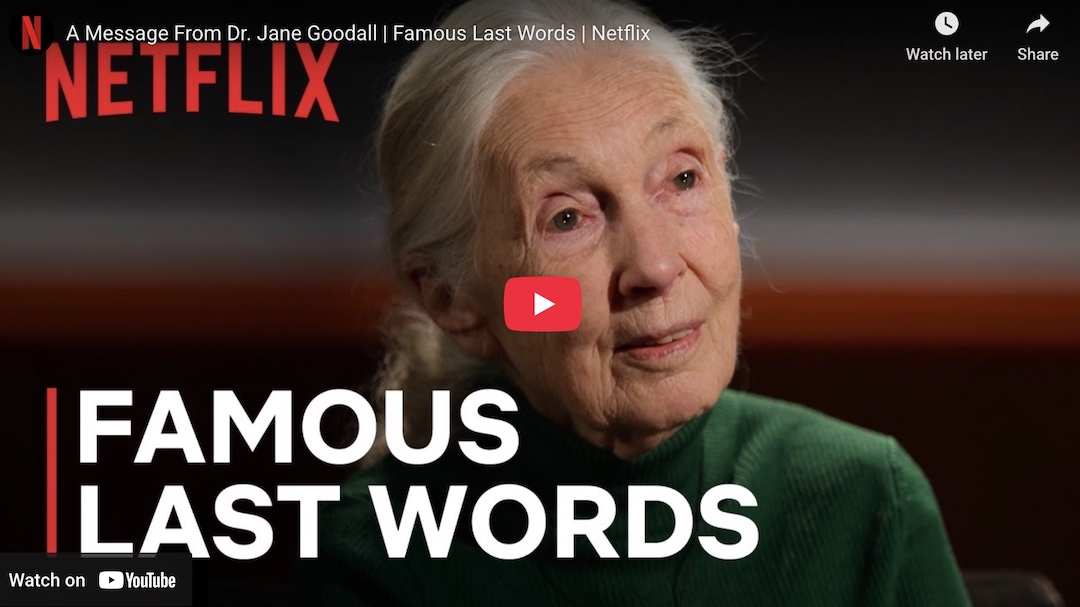
Jane Goodall's assertion that "the eyes of an animal can change you" invites us to consider the profound connection between humans and the animal kingdom. This statement suggests that the gaze of an animal holds transformative power, capable of shifting our perceptions and deepening our understanding of life itself. In a world often dominated by human-centric narratives, Goodall's words remind us of the importance of recognizing and honoring the sentience of other beings, urging us to cultivate empathy and awareness in our interactions with the natural world.
To delve deeper into this idea, we must reflect on the nature of perception and connection. The eyes, often referred to as the windows to the soul, serve as a bridge between species, allowing us to glimpse the inner lives of animals. When we engage with the gaze of an animal, we are invited into a silent dialogue that transcends language and cultural barriers. This exchange can lead to profound insights about our own humanity, our responsibilities toward other beings, and the interconnectedness of all life.
The image / the metaphor
The imagery of "the eyes of an animal" evokes a sense of intimacy and vulnerability. Eyes are not merely organs of sight; they are conduits of emotion and understanding. When Goodall speaks of the transformative power of an animal's gaze, she highlights the verbs of change and connection. The act of looking into an animal's eyes can elicit feelings of compassion, wonder, and even humility, as we confront the reality of another being's existence and experience.
Metaphorically, the eyes of an animal symbolize a deeper awareness of the world around us. They challenge us to see beyond our human-centric perspective and to recognize the intrinsic value of all living beings. This shift in perception can lead to a profound transformation in how we relate to nature, prompting us to embrace a more holistic understanding of our place within the web of life. The gaze of an animal becomes a mirror reflecting our own consciousness, urging us to awaken to the beauty and complexity of existence.
In the speaker's tradition
Jane Goodall's work is deeply rooted in the tradition of contemplative ecology, which emphasizes the interconnectedness of all life forms. This perspective resonates with concepts such as dharma, which speaks to the inherent duty we have toward all beings, and prajna, the wisdom that arises from understanding the nature of reality. Goodall's insights encourage us to cultivate a sense of kinship with animals, recognizing that their lives are intertwined with our own in ways that are often overlooked.
In her seminal work, "My Life with the Chimpanzees," Goodall illustrates the profound emotional lives of these primates, revealing their capacity for joy, sorrow, and social bonding. This aligns with the Buddhist concept of sunyata, or emptiness, which teaches that all beings are interconnected and that our separateness is an illusion. By acknowledging the emotional depth of animals, we can begin to dismantle the barriers that separate us and foster a greater sense of compassion and responsibility toward the natural world.
Living the teaching
Consider a modern scenario where this teaching resonates: a visit to a local animal shelter. As you interact with the animals, their eyes may convey a myriad of emotions—fear, hope, longing. In those moments, you may find yourself profoundly affected by their gaze, prompting a shift in your understanding of their plight. This encounter can inspire you to take action, whether through advocacy, volunteering, or simply spreading awareness about the importance of animal welfare. The eyes of these animals serve as a catalyst for change, urging you to respond with empathy and compassion.
In a different context, reflect on a challenging relationship in your life. When you take the time to truly see the other person—beyond their words and actions—what do you discover? Their eyes may reveal vulnerability, pain, or a longing for connection. By engaging with this deeper understanding, you can foster a more compassionate response, transforming conflict into an opportunity for growth and healing. In both scenarios, the act of looking deeply—whether into the eyes of an animal or a fellow human—can lead to profound personal transformation and a greater sense of interconnectedness.
A reflection
As we contemplate Goodall's assertion, we are invited to ask ourselves: How can I cultivate a deeper awareness of the lives around me, both human and animal? This question encourages us to explore the ways in which we engage with the world, prompting us to seek moments of connection that can lead to transformation. In recognizing the power of an animal's gaze, we open ourselves to a richer understanding of life and our place within it, fostering a sense of responsibility and compassion that extends beyond ourselves.