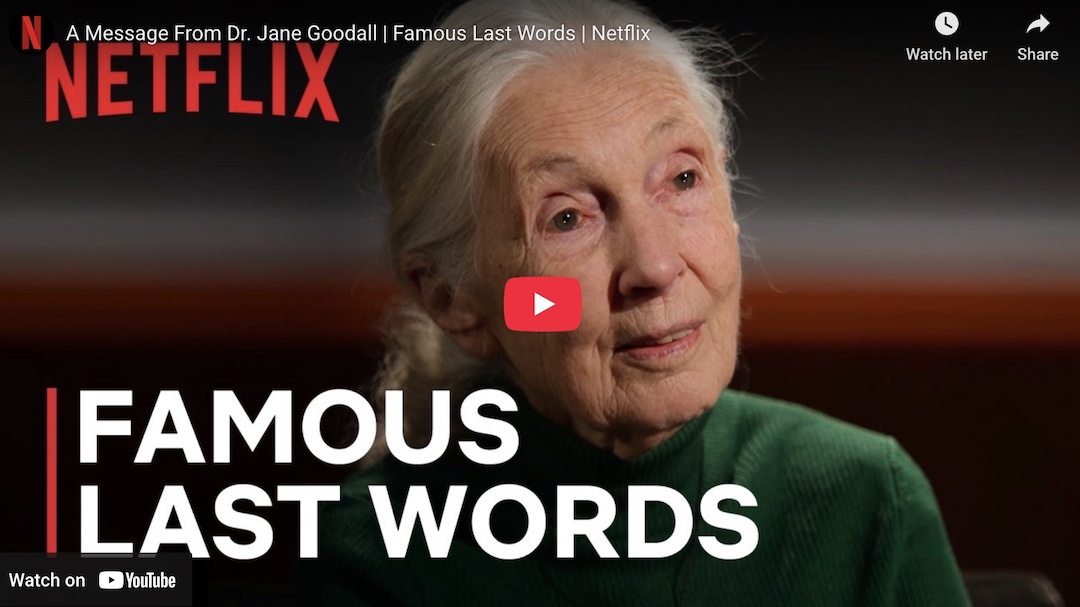
Jane Goodall's assertion, "I wanted to write about animals, not study them in a laboratory," speaks to a profound yearning for authentic connection with the natural world. In this statement, she emphasizes the importance of experiencing life in its raw, unmediated form rather than reducing it to mere data points and observations. This distinction is crucial, as it invites us to consider how we engage with the living beings around us, urging a shift from a detached, analytical approach to one rooted in empathy and understanding.
Goodall's words resonate deeply in a time when the relationship between humanity and nature is often characterized by exploitation and disconnection. By expressing her desire to write about animals, she highlights the need for storytelling that honors the complexity and richness of animal lives. This approach not only enriches our understanding of the animal kingdom but also reflects a broader spiritual truth: that genuine connection fosters compassion, respect, and ultimately, a more harmonious existence with all living beings.
The image / the metaphor
The imagery in Goodall's quote evokes a vivid contrast between the sterile environment of a laboratory and the vibrant, dynamic world of animals in their natural habitats. The verb "write" suggests an act of creation, of weaving narratives that bring forth the essence of these creatures, while "study" implies a more clinical, detached examination. This distinction is not merely semantic; it captures the emotional landscape of how we perceive and relate to the world around us. Goodall's choice of words invites us to envision a relationship with animals that is rich in story and experience rather than one that is cold and analytical.
Diving deeper into the metaphor, we can see that Goodall's desire to write rather than study reflects a broader philosophical stance. It suggests that true understanding comes from immersion and engagement rather than observation from a distance. This perspective aligns with the idea that knowledge is not merely an accumulation of facts but a lived experience that fosters connection and empathy. In this light, Goodall's work becomes a call to embrace the narratives of the natural world, urging us to listen to the stories that animals tell through their behaviors, interactions, and lives.
In the speaker's tradition
Goodall's approach to understanding animals aligns with the contemplative-ecology tradition, which emphasizes interconnectedness and the intrinsic value of all life forms. Concepts such as dharma, which speaks to the natural order and purpose of beings, resonate with her desire to honor the lives of animals through storytelling. In this context, Goodall embodies a form of kenosis, or self-emptying, as she sets aside the traditional scientific lens to embrace a more holistic view that recognizes the wisdom inherent in the animal kingdom.
Moreover, her work can be likened to the Buddhist notion of sunyata, or emptiness, which invites us to see beyond our preconceived notions and biases. By choosing to write about animals rather than study them, Goodall engages in a practice of deep listening and presence, akin to the contemplative practices found in various spiritual traditions. Her narrative approach invites us to reflect on the interconnectedness of all beings, echoing the teachings found in texts such as the "Dhammapada," where the interdependence of life is a central theme.
Living the teaching
In contemporary life, Goodall's teaching can be applied in various ways, particularly in our interactions with the natural world. For instance, consider a family visiting a local zoo or wildlife sanctuary. Rather than merely observing animals from behind glass or fences, they could engage in conversations about the animals' habitats, behaviors, and the challenges they face in the wild. This shift from passive observation to active engagement transforms the experience into a meaningful exploration of the lives of these creatures, fostering a deeper appreciation for their existence and the ecosystems they inhabit.
Additionally, this teaching can be applied within our relationships with others. In moments of conflict or misunderstanding, we might find ourselves adopting a clinical approach, analyzing behaviors and motivations without truly listening to the other person’s story. By embracing Goodall's perspective, we can cultivate a practice of empathy and presence, allowing ourselves to hear the narratives of those around us. This shift not only deepens our connections but also fosters a sense of compassion that can heal rifts and build bridges in our relationships.
A reflection
As we reflect on Goodall's poignant words, we are invited to consider how we engage with the world around us. Are we merely observers, cataloging experiences, or are we willing to immerse ourselves in the stories that life presents? In what ways can we deepen our connections with the natural world and the people in our lives? As you ponder these questions, allow yourself to explore the richness of existence that unfolds when we choose to listen, to write, and to engage with empathy and understanding.