The Interwoven Threads of Existence
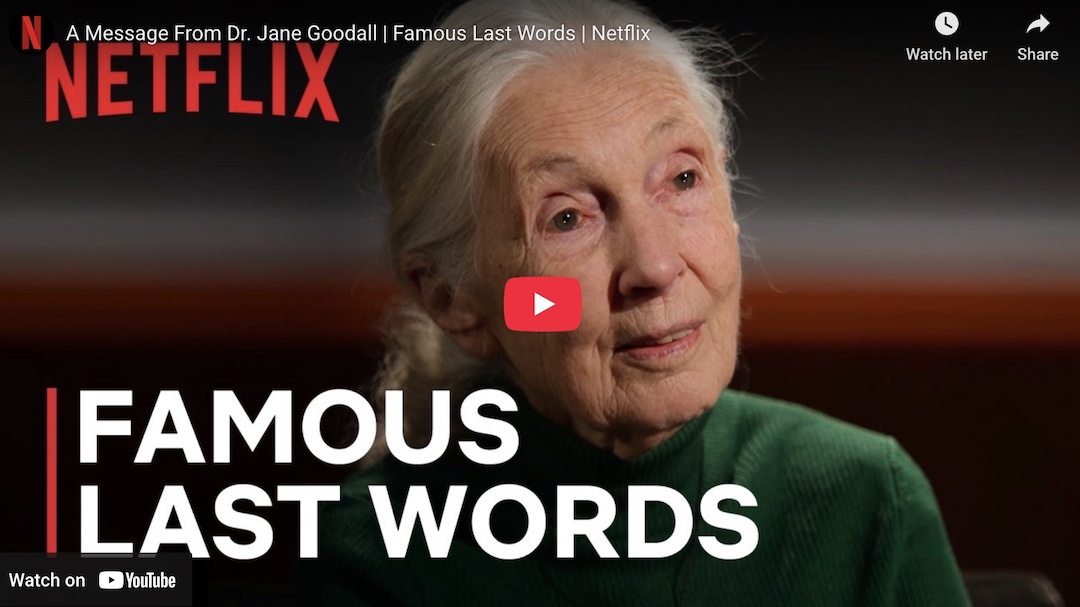
In her poignant reflection, Jane Goodall asserts, "Each species is a thread. The web cannot lose threads forever." This statement invites us to contemplate the intricate interdependence of all life forms within the ecological tapestry of our planet. The stakes are high; as we face unprecedented biodiversity loss, understanding the significance of each species becomes crucial for our survival and the health of the Earth. Goodall’s words remind us that every thread, every species, plays a vital role in maintaining the integrity of the web of life.
Goodall’s metaphor of the web evokes a sense of unity and interconnectedness that transcends individual existence. Each thread represents not just a species, but the relationships, ecosystems, and cycles that sustain life. The loss of any thread reverberates throughout the entire web, affecting all other threads in ways that may not be immediately visible. This interconnectedness calls for a deeper awareness of our actions and their consequences, urging us to cultivate a sense of responsibility towards the natural world.
The image / the metaphor
The imagery of a web is rich and multifaceted, suggesting both fragility and strength. A web is composed of countless threads, each contributing to the overall structure and function. The verbs "lose" and "cannot" carry a weight of inevitability and urgency, emphasizing that the loss of species is not merely a loss of biodiversity but a threat to the very fabric of life itself. The felt sense of this metaphor is one of both beauty and sorrow; it invites us to appreciate the delicate balance of ecosystems while recognizing the dire consequences of disruption.
Diving deeper into the metaphor, we can see that the web symbolizes not only ecological interdependence but also the spiritual connections that bind us to one another and to the Earth. Each thread can be seen as a life force, a unique expression of existence that contributes to the whole. The web, then, becomes a representation of the sacredness of life, where every species, no matter how small or seemingly insignificant, holds intrinsic value. This understanding encourages us to honor and protect the threads that weave together the rich tapestry of our planet.
In the speaker's tradition
Jane Goodall’s work is deeply rooted in the tradition of contemplative ecology, which emphasizes the interconnectedness of all living beings. This perspective resonates with concepts such as dharma, which speaks to the inherent duty of each being to fulfill its role within the larger cosmic order. Goodall’s insights echo the idea of kenosis, or self-emptying, where we are called to let go of our ego-driven desires in favor of a more harmonious relationship with nature. In this light, her quote serves as a reminder of our responsibility to nurture the web of life rather than exploit it.
In her book "Seeds of Hope," Goodall draws parallels between the ecological web and the teachings found in various spiritual traditions. For instance, the Buddhist concept of sunyata, or emptiness, invites us to recognize the interconnectedness of all phenomena, urging us to see beyond the illusion of separateness. Similarly, the Sufi notion of fana, or annihilation of the self, encourages us to transcend our individual identities in favor of a collective consciousness that honors the web of life. Goodall’s insights resonate with these teachings, reinforcing the idea that our well-being is inextricably linked to the health of the planet.
Living the teaching
Consider a modern scenario where this teaching resonates: the ongoing crisis of climate change. As we witness the devastating effects of rising temperatures, extreme weather events, and habitat destruction, it becomes evident that our actions have far-reaching consequences. The loss of a single species, such as the polar bear, is not just a tragedy for that species; it signifies a disruption in the Arctic ecosystem, which in turn affects global weather patterns and biodiversity. By recognizing the interconnectedness of these threads, we can begin to take meaningful action to protect our planet and its inhabitants.
This teaching also finds application in our personal relationships. Just as each species plays a role in the ecological web, each person contributes to the social fabric of our communities. In moments of conflict or misunderstanding, it is essential to remember that our connections are interwoven, and the health of our relationships depends on mutual respect and understanding. By nurturing these connections, we honor the threads that bind us together, fostering a sense of belonging and shared responsibility for one another’s well-being.
A reflection
As we contemplate Goodall’s profound statement, we are invited to reflect on our own role within the web of life. How do our actions impact the threads that connect us to the natural world and to each other? In what ways can we cultivate a deeper awareness of our interconnectedness and take steps to honor and protect the delicate balance of life? These questions serve as a guiding light, encouraging us to engage with the world around us in a more mindful and compassionate manner.