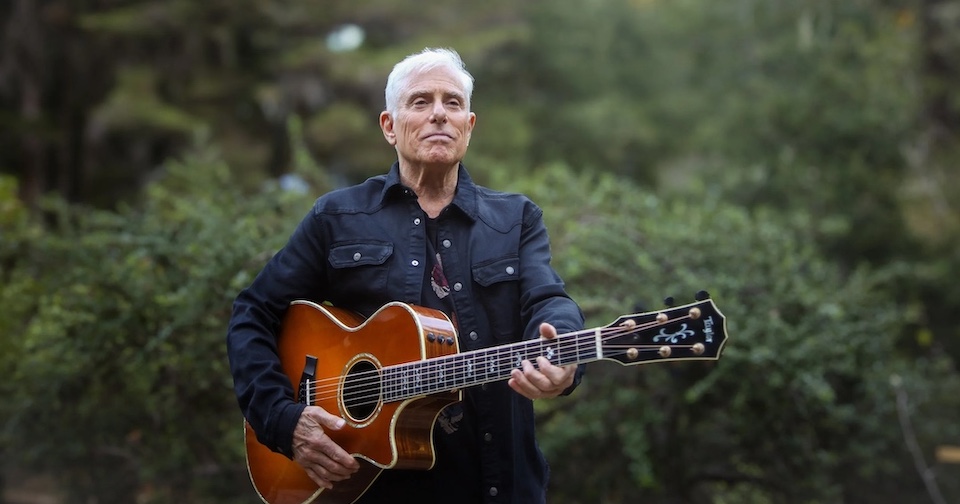
Jai Uttal's evocative phrase, "In Bengal, the Bauls would sing of love until they were drunk on it," invites us to explore the profound depths of love as experienced by the Bauls, a mystical group of wandering minstrels in Bengal. This quote encapsulates the essence of their spiritual practice, where love transcends mere emotion and becomes a transformative force. The imagery of intoxication suggests a surrender to this love, a state where the self dissolves into the divine, and the boundaries between the lover and the beloved blur. Understanding this dynamic is crucial, as it speaks to the heart of spiritual experience and the ecstatic states that arise from deep devotion.
Delving deeper, we find that the Bauls' songs are not just expressions of romantic love but are imbued with a sacred quality that reflects their relationship with the divine. This love is intoxicating, not in a superficial sense, but as a profound spiritual experience that alters perception and consciousness. The Bauls invite us to consider how love can lead to a state of blissful surrender, where one becomes so immersed in the experience that the self is forgotten. This exploration of love as a spiritual practice is essential in a world often dominated by transactional relationships, reminding us of the deeper connections that can be forged through genuine devotion.
The image / the metaphor
The imagery of being "drunk on love" conjures a vivid picture of ecstasy and abandon. It evokes the sensations of warmth, joy, and a sense of losing oneself in the moment. The choice of the word "drunk" suggests a lack of inhibition, a release from the constraints of rational thought and societal norms. In this state, the Bauls express their love freely, allowing it to flow through their songs and into the hearts of their listeners. This metaphor serves as a powerful reminder of the transformative potential of love, which can elevate us beyond our everyday experiences and into a realm of spiritual awakening.
Going deeper, the metaphor of intoxication can also be seen as a call to surrender. Just as one might let go of control when consuming alcohol, the Bauls encourage us to relinquish our tightly held notions of self and embrace a more expansive understanding of love. This drunkenness is not about losing oneself in a chaotic manner but rather about finding a deeper connection to the universe and the divine. It invites us to explore the idea that true love is not possessive or conditional; instead, it is a state of being that allows us to experience unity with all that exists.
In the speaker's tradition
Jai Uttal's work is deeply rooted in the tradition of kirtan, a devotional practice that emphasizes the chanting of sacred names and the expression of love for the divine. Within this context, the Bauls represent a unique manifestation of bhakti, or devotional love, that transcends conventional religious boundaries. Their songs often reflect themes of kenosis, the self-emptying love that allows for divine presence to fill the void left by the ego. This aligns with the concept of sunyata, or emptiness, found in Buddhist thought, where the dissolution of the self leads to a profound realization of interconnectedness.
In the context of kirtan, the Bauls' ecstatic singing can be likened to the teachings found in the Bhagavad Gita, where devotion and surrender to the divine are central themes. The Gita speaks of the importance of surrendering one's ego and desires to experience the fullness of divine love. This aligns with the Bauls' practice, where the act of singing becomes a vehicle for transcending the self and experiencing the divine presence. Their songs serve as a reminder that love, in its purest form, is a path to liberation and enlightenment.
Living the teaching
In our modern lives, the teaching of being "drunk on love" can manifest in various ways. Consider a moment when you are fully present with a loved one, whether it be a partner, a friend, or even a stranger. In these instances, when we allow ourselves to be vulnerable and open, we can experience a profound connection that transcends the mundane. This is akin to the Bauls' practice; it is in these moments of genuine love and connection that we can feel the intoxication of the divine flowing through us, reminding us of our shared humanity and the beauty of existence.
Another application of this teaching might arise during challenging moments in our relationships. When faced with conflict or misunderstanding, we can choose to approach the situation with love rather than defensiveness. By embodying the Bauls' spirit of surrender and devotion, we can transform our interactions into opportunities for deeper understanding and connection. This practice of love, even in adversity, allows us to cultivate a sense of unity and compassion, echoing the Bauls' teachings of transcending the self for the sake of love.
A reflection
As we contemplate Jai Uttal's words, we are invited to reflect on our own experiences of love. How often do we allow ourselves to be "drunk" on love, surrendering to its transformative power? In what ways can we cultivate this state of being in our daily lives, allowing love to guide our actions and interactions? Consider these questions as you navigate your own journey of devotion and connection, and let them inspire you to explore the depths of love in all its forms.