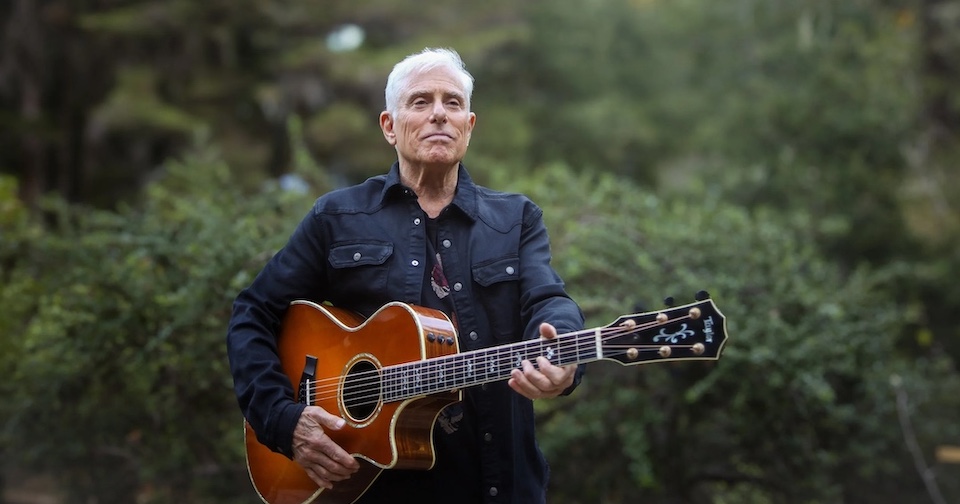
Jai Uttal's gentle reminder, "Don't worry about your voice," invites us to release the burdens of self-doubt and judgment that often accompany our expressions. In a world that frequently measures worth by external standards, this quote serves as a liberating call to embrace our unique voices without fear. It speaks to the heart of creativity and authenticity, urging us to connect with our inner selves and express our truths freely. The stakes are high; when we allow worry to stifle our voices, we risk losing the essence of who we are and the beauty we have to share.
To delve deeper, we must consider the implications of worry itself. Worry often acts as a barrier, a veil that obscures our true expression. It can manifest in various forms—fear of judgment, anxiety about acceptance, or the pressure to conform to societal norms. By encouraging us to set aside these worries, Uttal invites us into a space of liberation where our voices can resonate authentically. This invitation is not merely about vocal expression; it encompasses all forms of communication and creativity, reminding us that our contributions to the world are valuable simply because they are ours.
The image / the metaphor
At first glance, the imagery in Uttal's quote is simple yet profound. The phrase "Don't worry" evokes a sense of lightness, suggesting that we can release the heavy burdens we carry. The word "voice" serves as a powerful metaphor for our individuality and self-expression. It encompasses not only the literal sound we produce but also the ideas, emotions, and truths we convey through our presence in the world. The act of voicing our thoughts and feelings becomes a sacred practice, one that can be both joyous and daunting, depending on our internal landscape.
Diving deeper into the metaphor, we can see that "voice" represents more than just sound; it symbolizes our essence and authenticity. When we worry about how we are perceived, we often dilute our true selves, muffling the unique tones that make us who we are. Uttal's message encourages us to embrace our voices in their entirety, to sing our songs without hesitation, and to trust that our contributions are meaningful. This act of vocal freedom becomes a celebration of our individuality, a reminder that each voice adds to the rich tapestry of human experience.
In the speaker's tradition
Jai Uttal's teachings are deeply rooted in the tradition of kirtan, a devotional practice that emphasizes the power of sound and mantra as a means of connecting with the divine. In this context, the act of singing becomes a form of bhakti, or devotional love, where the voice serves as a bridge to the sacred. The concept of kenosis, or self-emptying, resonates here as well; by letting go of our worries and fears, we create space for the divine to flow through us. This release allows us to experience sunyata, or emptiness, where we can find clarity and connection beyond the confines of our ego.
In the Bhagavad Gita, a foundational text in the spiritual tradition, we find echoes of Uttal's message. The Gita teaches us about the importance of performing our duties without attachment to the fruits of our actions. This principle aligns with the idea of expressing our voices freely, without the burden of expectation or fear of judgment. When we sing or speak from a place of authenticity, we embody the essence of prajna, or wisdom, allowing our true selves to shine through. In this way, Uttal’s encouragement to not worry about our voice becomes a call to engage with our spiritual practice wholeheartedly.
Living the teaching
Consider a modern scenario where this teaching can be applied: a workplace meeting where individuals are often hesitant to share their ideas. The fear of being judged or dismissed can stifle creativity and innovation. By embracing Uttal's message, one might choose to speak up, trusting that their unique perspective is valuable. This act of courage not only empowers the individual but can also inspire others to share their voices, creating a more inclusive and dynamic environment. In this way, the simple act of expressing oneself can lead to collective growth and understanding.
Another application of this teaching might arise in personal relationships, particularly during difficult conversations. Imagine a moment of conflict where both parties are hesitant to express their true feelings due to fear of escalation or misunderstanding. By embodying the essence of "not worrying about your voice," one might approach the conversation with openness and honesty, allowing vulnerability to guide the dialogue. This practice fosters deeper connections and understanding, transforming potential discord into an opportunity for growth and healing.
A reflection
As we reflect on Jai Uttal's profound words, we are invited to consider: What fears or worries hold me back from expressing my true voice? This contemplative question encourages us to explore the barriers we create around our self-expression and to recognize the beauty that lies in vulnerability. By examining these fears, we can begin to dismantle them, allowing our authentic voices to emerge and resonate in the world. In doing so, we not only honor ourselves but also contribute to a richer, more diverse tapestry of human experience.