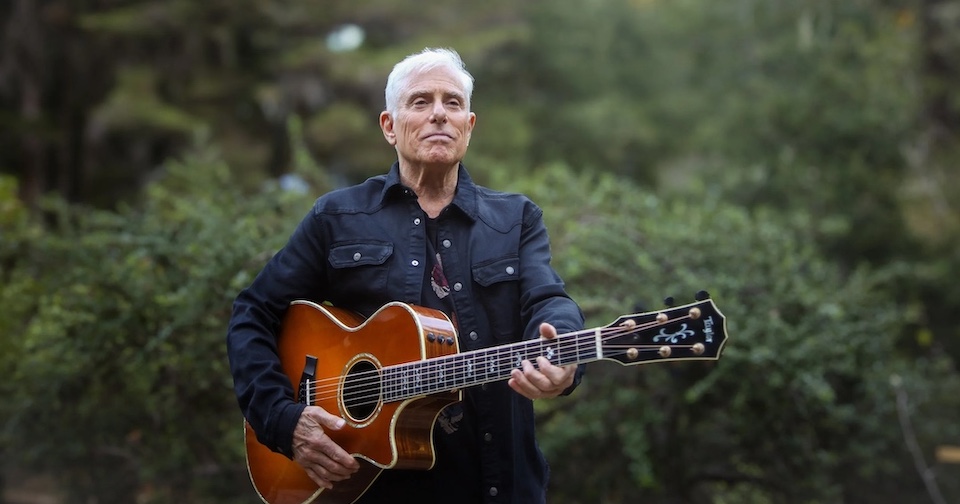
The Primacy of Sound: A Journey Beyond Scripture
Jai Uttal's assertion, "Before there were scriptures, there was sound," invites us to reflect on the foundational role of sound in spiritual expression and experience. This statement emphasizes that the essence of spirituality predates written texts, suggesting that sound—particularly in the form of mantra, chant, and music—serves as a primal medium for connection with the divine. In a world often dominated by the written word, this perspective challenges us to reconsider how we engage with spirituality, urging us to return to the vibrational roots of our existence.
By placing sound at the forefront, Uttal highlights its transformative power and its ability to transcend language and cultural barriers. Sound, in its purest form, resonates with the heart and spirit, evoking emotions and experiences that words alone cannot capture. This notion compels us to explore the depths of our own spiritual practices, recognizing that the vibrations we create can lead us to profound states of awareness and connection, long before any scripture was ever penned.
The image / the metaphor
At its core, Uttal's quote conjures an image of primordial existence, where sound is the first expression of consciousness. The choice of the word "sound" evokes a sense of movement and fluidity, suggesting that before the codification of beliefs and doctrines, there existed a raw, unfiltered experience of the universe. This imagery invites us to imagine a time when the universe was a symphony of vibrations, each note contributing to the cosmic dance of creation. The verbs in this statement—"were" and "was"—imply a continuity, a timelessness that connects us to the origins of our spiritual journey.
Diving deeper into the metaphor, we can see sound as a bridge between the material and the spiritual realms. It serves as a conduit for divine energy, allowing us to access states of consciousness that are often obscured by the noise of daily life. In this sense, sound is not merely an auditory phenomenon; it is a sacred language that speaks to the soul, inviting us to listen more deeply to the rhythms of our own existence and the universe around us. This understanding encourages us to embrace sound as a vital aspect of our spiritual practice, one that can lead us to greater awareness and connection.
In the speaker's tradition
Jai Uttal's insights are deeply rooted in the tradition of kirtan, a devotional practice that emphasizes the chanting of mantras and the singing of sacred songs. In this context, sound is not just a form of expression; it is a means of engaging with bhakti, or devotion. The practice of kirtan embodies the principles of dharma and kenosis, where the act of surrendering oneself to the divine through sound allows for a profound transformation of the self. This tradition teaches that through the repetition of sacred sounds, practitioners can experience a state of sunyata, or emptiness, which opens the heart to divine love and connection.
Moreover, the concept of prajna, or wisdom, is intricately linked to the practice of kirtan. As we immerse ourselves in the vibrations of sound, we cultivate an understanding that transcends intellectual knowledge. This experiential wisdom is echoed in texts such as the Bhagavad Gita, where the importance of devotion and surrender is emphasized. The Gita teaches that through the practice of devotion, one can attain a state of union with the divine, a realization that is often facilitated through the power of sound and mantra.
Living the teaching
Consider a modern scenario where the teaching of sound as a spiritual foundation resonates. Imagine a busy urban environment, where the cacophony of daily life often drowns out the subtler sounds of existence. In such a setting, one might find solace in participating in a community kirtan, where the collective chanting of mantras creates a sacred space. This experience not only serves as a reminder of the power of sound but also fosters a sense of belonging and connection among participants, illustrating how sound can transcend individual isolation and unite hearts in devotion.
In a more personal context, one might apply this teaching during moments of emotional turmoil or conflict. Instead of resorting to words that may escalate tensions, one could turn to sound—perhaps through singing, humming, or even listening to calming music. This practice can create a shift in energy, allowing for a deeper understanding and connection to oneself and others. By embracing sound as a tool for healing and connection, we honor the wisdom of Uttal's teaching and cultivate a more profound spiritual awareness in our daily lives.
A reflection
As we contemplate the profound statement, "Before there were scriptures, there was sound," we are invited to explore our own relationship with sound in our spiritual practices. How does sound manifest in your life, and in what ways can you deepen your connection to it? Reflecting on this question may lead to new insights and practices that enrich your spiritual journey, reminding you of the timeless power of sound as a pathway to the divine.