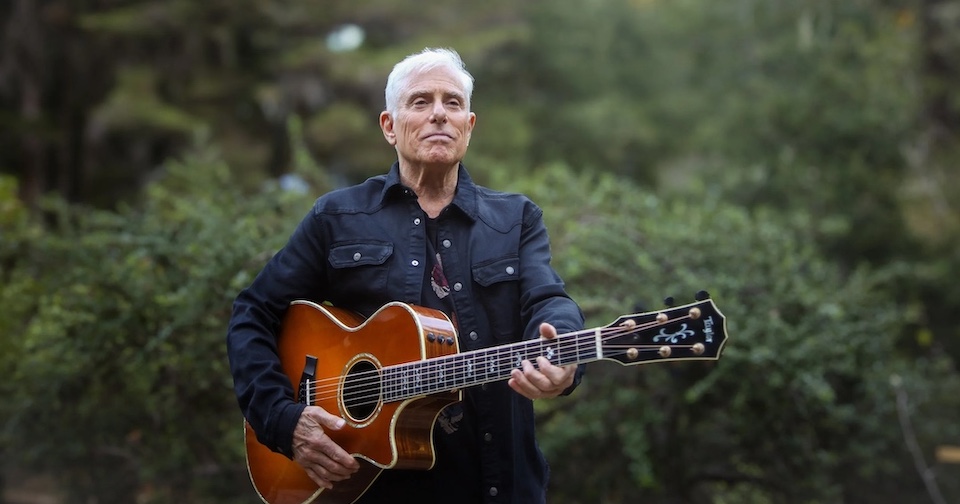
The Heart's Invitation: An Exploration of Openness
Jai Uttal's poignant assertion, "And the heart, when touched, opens," invites us to reflect on the transformative power of vulnerability and connection. This statement speaks to the essence of human experience, where the heart serves as a vessel for love, empathy, and understanding. In a world often marked by division and isolation, recognizing the heart's capacity to open can be a profound catalyst for healing and unity. The stakes are high; to open our hearts is to embrace the fullness of life, allowing ourselves to be seen and to see others in their entirety.
Delving deeper, we find that the act of touching the heart is not merely a physical sensation but an emotional and spiritual awakening. It suggests a gentle invitation to engage with our innermost selves and the world around us. When we allow ourselves to be touched—by beauty, sorrow, joy, or love—we create space for transformation. This opening is not just a passive experience; it is an active engagement with the essence of our being, a call to live authentically and compassionately.
The image / the metaphor
The imagery in Uttal's quote evokes a sense of warmth and tenderness. The heart, often symbolized as the center of emotion, is portrayed as something that can be touched, suggesting a delicate interplay between the external and internal worlds. The verb "opens" carries with it a sense of unfolding, as if the heart is a flower revealing its petals to the sun. This opening is not merely about exposure; it is about the willingness to embrace vulnerability and the potential for growth that comes with it.
In the speaker's tradition
Jai Uttal's teachings are deeply rooted in the tradition of kirtan, a devotional practice that emphasizes the importance of bhakti, or loving devotion. In this context, the heart's opening is closely aligned with the concept of kenosis, the self-emptying of one's own will to make room for divine love and grace. This act of surrender is not a loss but a profound gain, as it allows us to connect with the deeper truths of existence and the divine presence within and around us.
In the realm of kirtan, the heart's opening is echoed in the sacred texts that emphasize the importance of devotion and love. For instance, the Bhagavad Gita speaks of the necessity of surrendering to the divine will, which can be seen as a form of opening the heart to a higher purpose. Similarly, the teachings of Rumi remind us that the heart's true nature is to love and be loved, urging us to transcend our limitations and embrace the fullness of our humanity.
Living the teaching
Consider a modern scenario where this teaching resonates: a moment of connection with a stranger. Imagine sitting in a café, observing the world around you. A brief exchange with the barista—a smile, a kind word—can serve as a gentle touch that opens your heart. In that instant, you may feel a sense of belonging and connection that transcends the mundane. This simple interaction illustrates how the heart can open in unexpected ways, inviting us to engage more deeply with the world and those around us.
In the context of relationships, the heart's opening can be particularly poignant during moments of conflict or misunderstanding. When faced with a difficult conversation, allowing ourselves to be vulnerable and to truly listen can create an opportunity for healing. By touching the heart of the matter—acknowledging our feelings and those of the other person—we can foster a deeper connection and understanding. This practice of openness not only strengthens relationships but also cultivates compassion and empathy in our daily lives.
A reflection
As we contemplate Jai Uttal's words, we are invited to consider: What does it mean for my heart to open in this moment? This question encourages us to explore the barriers we may have constructed and the ways in which we can invite more love and connection into our lives. In a world that often feels fragmented, the heart's capacity to open serves as a reminder of our shared humanity and the profound beauty that arises when we allow ourselves to be touched by life.