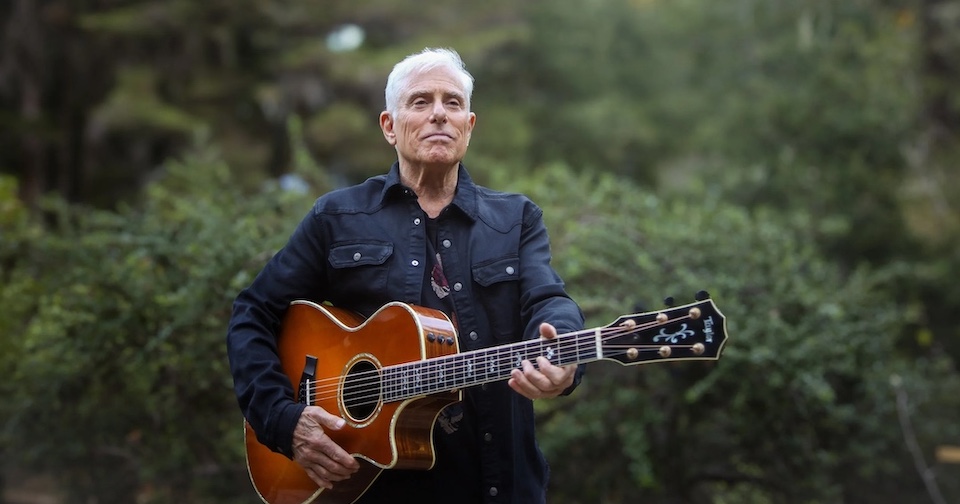
Jai Uttal's poignant assertion, "And in the narrating, the love becomes real," invites us to explore the transformative power of storytelling and expression. In this statement, Uttal suggests that the act of narrating—whether through song, spoken word, or shared experience—serves as a bridge that connects us to the essence of love. This connection is not merely an abstract notion; it is a tangible reality that emerges when we articulate our experiences and emotions. The stakes are high, as this process of narration can lead to deeper understanding, connection, and ultimately, a more profound experience of love in our lives.
Delving deeper, we recognize that narration is not just a recounting of events; it is an act of creation. Through the lens of kirtan, a devotional practice rooted in the Bhakti tradition, narration becomes a sacred act that allows us to weave our individual stories into the larger tapestry of existence. This interplay between personal and collective narratives enriches our understanding of love, transforming it from a fleeting feeling into a lasting presence. By sharing our stories, we invite others into our inner worlds, fostering empathy and connection that transcends the boundaries of individuality.
The image / the metaphor
At its core, the quote evokes a vivid image of narration as a vessel through which love flows. The verb "narrating" suggests an active, dynamic process, one that requires engagement and intention. It implies that love is not a static entity but rather something that takes shape and form through our expressions. The act of narrating becomes a ritual, a sacred dance where words become the medium through which love is channeled and made manifest. This imagery invites us to consider how our own stories can serve as conduits for love, illuminating the paths we walk and the connections we forge.
Going deeper into the metaphor, we can see that narration is akin to a river, flowing through the landscape of our lives. Just as a river carves its path through the earth, shaping the terrain around it, our narratives shape our understanding of love and reality. In this sense, the act of narrating is not merely about recounting events; it is about creating meaning and establishing a sense of belonging. The love that emerges through narration is not confined to the storyteller alone; it reverberates outward, touching the hearts of those who listen and inviting them to partake in the shared experience of existence.
In the speaker's tradition
Jai Uttal's insights are deeply rooted in the Bhakti tradition, which emphasizes devotion and love as central tenets of spiritual practice. In this context, narration becomes an expression of bhakti, or devotional love, where the act of sharing one's story is a way to connect with the divine. Concepts such as dharma, the moral order of the universe, and kenosis, the self-emptying love exemplified in many spiritual traditions, resonate with Uttal's assertion. Through narration, we align ourselves with our dharma, allowing love to flow freely and authentically, creating a space for connection and understanding.
Moreover, the notion of sunyata, or emptiness, plays a crucial role in this exploration. In the act of narrating, we may find ourselves letting go of preconceived notions and attachments, opening ourselves to the fullness of love that exists in the present moment. This aligns with the teachings found in the Bhagavad Gita, where the importance of selfless action and devotion is emphasized. By sharing our stories, we engage in a practice that not only enriches our own lives but also contributes to the collective experience of love and connection.
Living the teaching
Consider a modern scenario where this teaching can be applied: a gathering of friends sharing their personal stories around a campfire. In this intimate setting, each person recounts their experiences, joys, and struggles, weaving a rich tapestry of narratives that resonate with one another. As they narrate, the love among them becomes palpable, transforming the atmosphere into one of warmth and acceptance. This simple act of sharing stories allows them to connect on a deeper level, fostering empathy and understanding that transcends the individual experiences being shared.
In a different application, imagine a couple navigating a difficult moment in their relationship. By engaging in open and honest narration of their feelings, they create a space for vulnerability and healing. As they articulate their emotions and experiences, they begin to understand each other more profoundly, allowing love to emerge from the depths of their struggles. This practice of narrating their feelings not only strengthens their bond but also transforms their challenges into opportunities for growth and connection.
A reflection
As we contemplate Jai Uttal's assertion, we are invited to reflect on the power of our own narratives. How do we share our stories, and in what ways do those stories shape our understanding of love and connection? In a world that often feels fragmented, the act of narrating can serve as a powerful reminder of our shared humanity. As you consider this, ask yourself: What stories are waiting to be told in your life, and how might they bring forth the love that is already present within you?