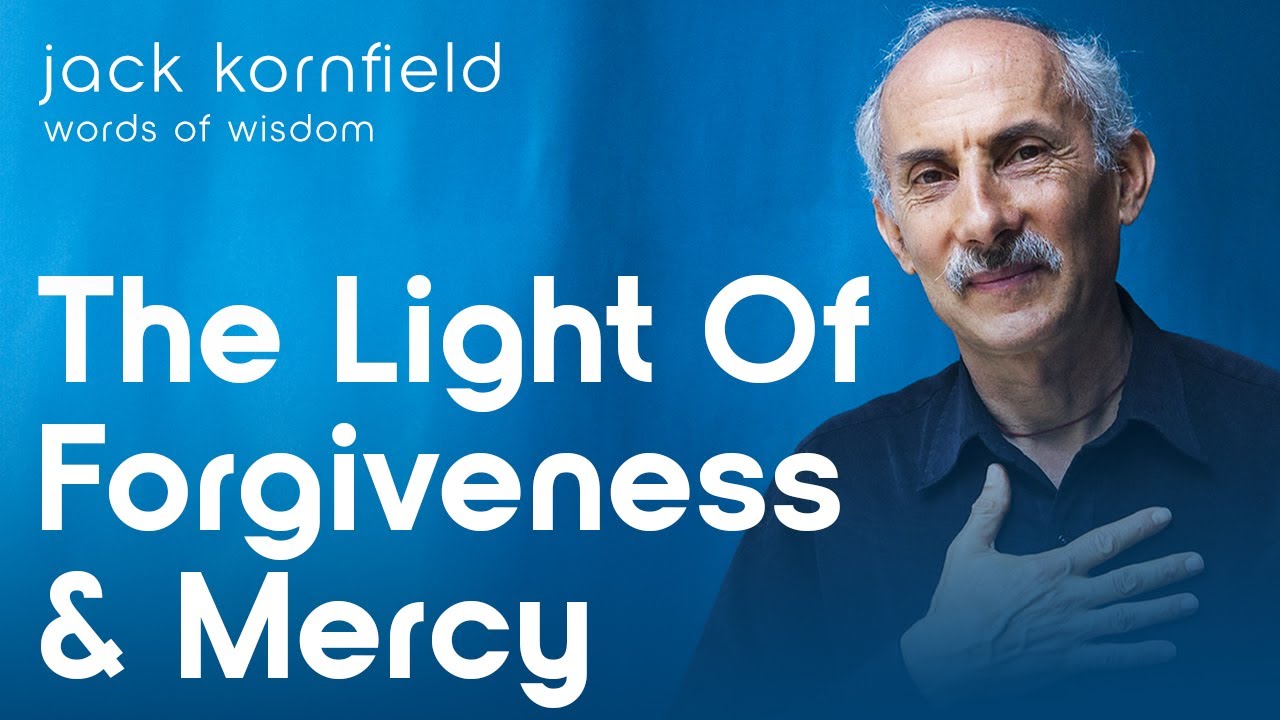
Jack Kornfield's assertion that "wisdom and compassion are the two wings of awakening" invites us to explore the profound interplay between understanding and empathy in our spiritual journeys. This quote encapsulates the essence of awakening, suggesting that true enlightenment cannot be achieved in isolation; rather, it flourishes through the harmonious integration of insight and kindness. In a world often marked by division and misunderstanding, this teaching serves as a gentle reminder of the path toward a more awakened existence, one that is both deeply personal and universally connected.
As we delve deeper into this quote, we uncover the layers of meaning that lie within. Wisdom, in this context, refers to the clarity of perception that allows us to see the true nature of reality, while compassion embodies the heartfelt response to the suffering of others. Together, these qualities form a balanced approach to life, enabling us to navigate the complexities of our experiences with grace and understanding. The stakes are high; without the grounding of wisdom, compassion can become misguided, and without compassion, wisdom can turn cold and detached. Thus, the cultivation of both is essential for a holistic awakening.
The image / the metaphor
The metaphor of wings evokes a sense of elevation and freedom, suggesting that wisdom and compassion are not merely attributes to be developed but essential aspects of our being that allow us to soar into higher states of consciousness. The imagery of flight implies movement and progress, indicating that awakening is not a static state but a dynamic journey. The choice of the word "wings" also hints at the necessity of balance; just as a bird cannot fly with only one wing, we cannot fully awaken without nurturing both wisdom and compassion.
Diving deeper into this metaphor, we can see that wings also symbolize the interconnectedness of our spiritual and emotional lives. Wisdom provides the clarity needed to discern our path, while compassion fuels our desire to uplift others along the way. Together, they create a synergy that propels us forward, allowing us to navigate the challenges of life with a sense of purpose and direction. This duality is not merely a poetic expression; it is a practical framework for living a life that is both meaningful and impactful.
In the speaker's tradition
Jack Kornfield, a prominent figure in the Western adaptation of Buddhism, draws upon the rich tapestry of Buddhist teachings to illuminate the significance of wisdom and compassion. Central to this tradition is the concept of "prajna," or wisdom, which is often paired with "karuna," or compassion. These two qualities are seen as essential for the realization of the "dharma," the natural law that governs the universe and guides us toward enlightenment. In this context, Kornfield's quote resonates deeply with the teachings of the Buddha, who emphasized the importance of cultivating both insight and loving-kindness as a means to alleviate suffering.
In his book, "The Wise Heart," Kornfield references various Buddhist texts that highlight the interplay between wisdom and compassion. For instance, the "Heart Sutra" teaches that emptiness and form are interdependent, suggesting that our understanding of reality is incomplete without the compassionate engagement with the world around us. This echoes the sentiment in Kornfield's quote, reinforcing the idea that awakening is a holistic process that requires both intellectual insight and heartfelt connection.
Living the teaching
Consider a modern scenario where this teaching can be applied: a colleague at work is struggling with a heavy workload, leading to visible stress and frustration. In this moment, wisdom allows you to recognize the signs of their distress and understand the broader context of their challenges. Compassion then prompts you to offer support, whether through a listening ear or by helping to lighten their load. This simple act of kindness not only fosters a sense of connection but also contributes to a more harmonious work environment, illustrating how wisdom and compassion can manifest in everyday interactions.
Another application of this teaching can be found within personal relationships. Imagine a moment of conflict with a loved one, where misunderstandings have led to hurt feelings. Here, wisdom invites you to reflect on your own role in the situation, encouraging self-awareness and insight into the dynamics at play. Compassion, on the other hand, inspires you to approach the conversation with empathy, seeking to understand your loved one's perspective. By embodying both qualities, you create a space for healing and reconciliation, demonstrating the transformative power of awakening in the realm of human connection.
A reflection
As we contemplate Kornfield's profound statement, we are invited to reflect on our own lives: How can we cultivate both wisdom and compassion in our daily experiences? This question encourages us to examine the balance we strike between understanding and empathy, prompting us to consider how we might enhance our spiritual journeys by nurturing these two essential wings of awakening. In doing so, we open ourselves to a richer, more fulfilling existence that honors both our inner truths and our connections with others.