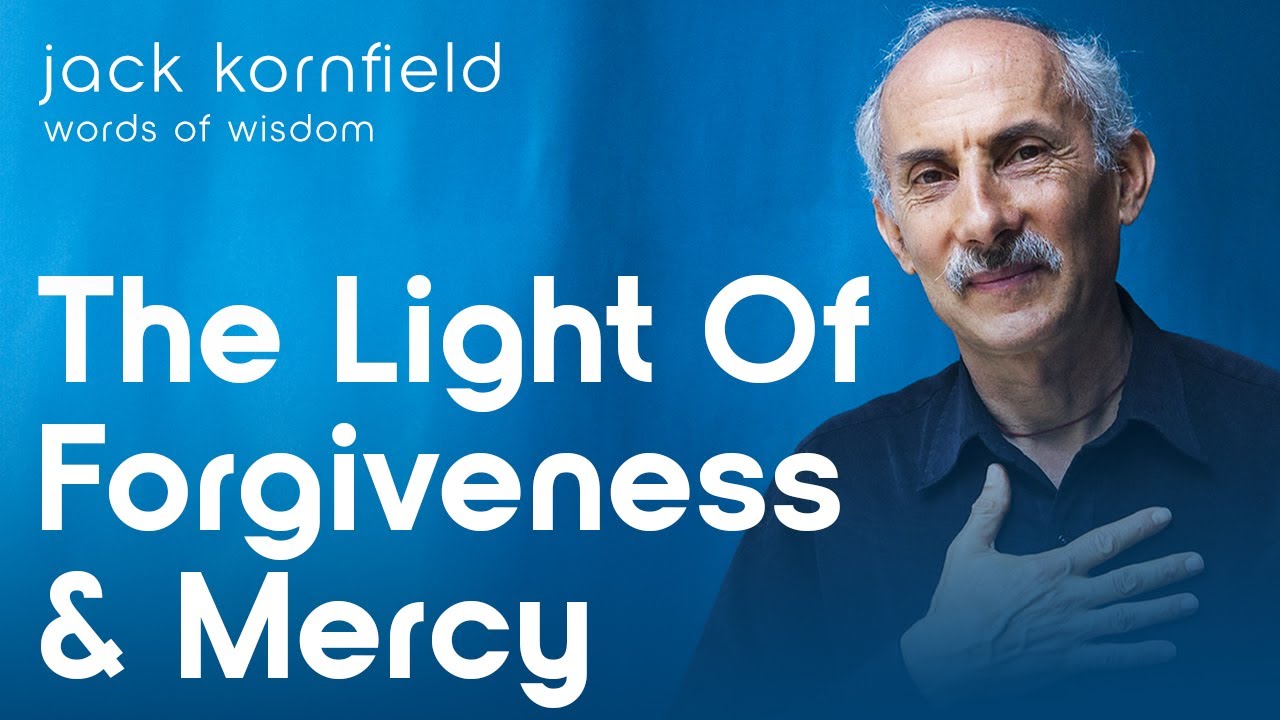
Embracing Our Innate Goodness
Jack Kornfield's poignant reminder to "trust your basic goodness" invites us to recognize and embrace the inherent virtue within ourselves. In a world often clouded by self-doubt and external judgments, this message serves as a beacon of hope and self-acceptance. The stakes are high; our ability to trust in our goodness shapes not only our self-perception but also our interactions with others and the world around us. When we cultivate this trust, we open the door to deeper compassion, resilience, and authenticity.
Delving deeper, Kornfield's assertion challenges us to confront the narratives we hold about ourselves. Many of us have internalized messages of inadequacy or unworthiness, which can obscure our true essence. By trusting in our basic goodness, we embark on a transformative journey of self-discovery and healing. This trust is not merely a passive belief; it is an active engagement with our inner landscape, encouraging us to nurture our strengths and acknowledge our vulnerabilities.
The image / the metaphor
The phrase "trust your basic goodness" evokes a sense of warmth and reassurance, suggesting that beneath the layers of doubt and fear lies an unshakeable core of virtue. The verb "trust" implies an active choice, a conscious decision to lean into the belief that we are fundamentally good. This trust is akin to a seed waiting to sprout; it requires nurturing and care to flourish. The imagery conjures a sense of returning home to oneself, where the essence of goodness resides, waiting to be acknowledged and embraced.
In the speaker's tradition
Jack Kornfield, a prominent figure in contemporary Buddhism, draws upon the rich tapestry of Buddhist teachings to illuminate the path of self-trust and goodness. Central to this tradition is the concept of dharma, which encompasses the natural law of moral order and the teachings of the Buddha. Trusting in our basic goodness aligns with the practice of cultivating compassion (karuna) and wisdom (prajna), essential elements in the journey toward enlightenment. By recognizing our inherent goodness, we can better embody these qualities in our interactions with others.
In his book "The Wise Heart," Kornfield references the idea of sunyata, or emptiness, which invites us to let go of rigid self-concepts and embrace the fluidity of our nature. This emptiness is not a void but a space of potential where our basic goodness can shine forth. By understanding ourselves as interconnected beings, we can transcend the limitations of ego and experience the profound truth of our shared humanity.
Living the teaching
Consider a modern scenario where this teaching resonates: a workplace filled with competition and pressure. In such an environment, it is easy to lose sight of one's inherent goodness, succumbing to self-doubt and comparison. However, by consciously choosing to trust in our basic goodness, we can approach our work with a sense of integrity and collaboration. This shift not only enhances our own experience but also fosters a more supportive atmosphere among colleagues, creating a ripple effect of positivity.
Another application of this teaching can be found in personal relationships, particularly during conflicts. When faced with misunderstandings or disagreements, trusting in our basic goodness allows us to approach the situation with empathy rather than defensiveness. By recognizing that both parties possess inherent worth, we can engage in open dialogue, seeking resolution rather than division. This practice of trust transforms our interactions, paving the way for deeper connections and mutual understanding.
A reflection
As we contemplate Kornfield's invitation to "trust your basic goodness," we are called to reflect on our own relationship with self-acceptance. What narratives do we hold that obscure our inherent worth? In what ways can we actively nurture our goodness in daily life? By engaging with these questions, we can begin to cultivate a deeper trust in ourselves, allowing our innate virtues to flourish and illuminate our path.