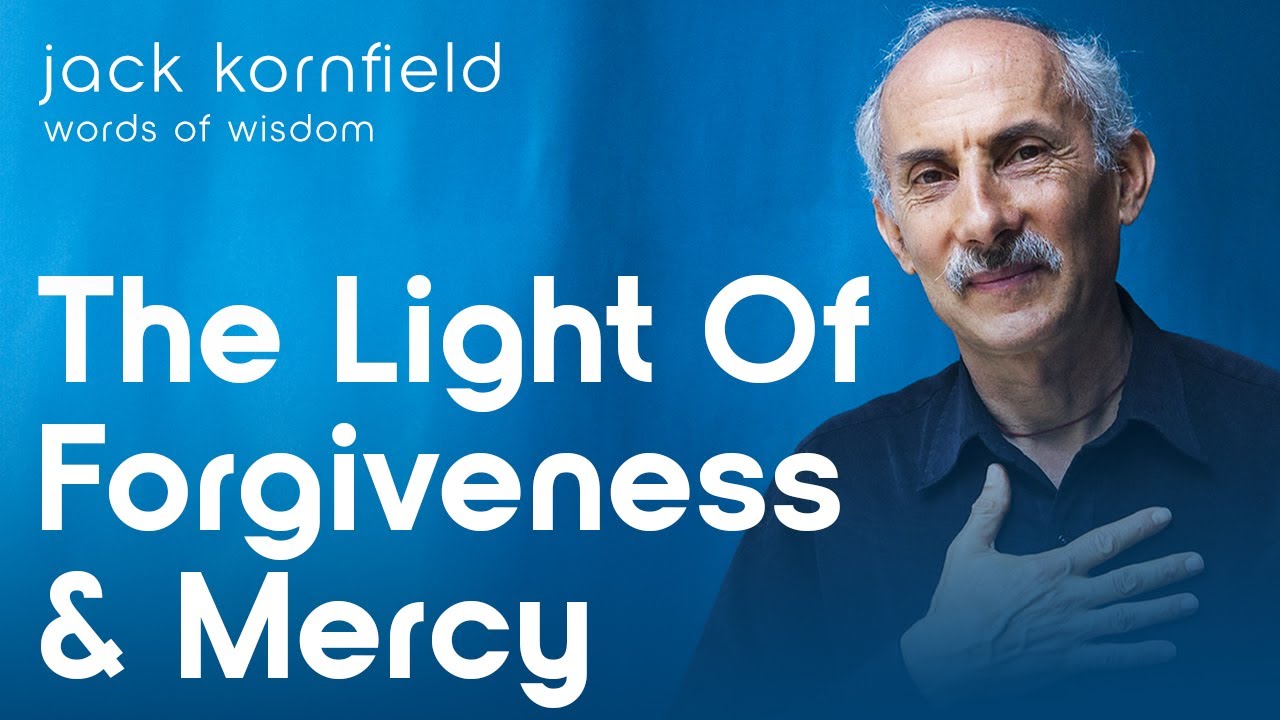
Jack Kornfield's assertion that "to meditate is to take a vacation from yourself" invites us to consider the profound act of stepping away from our habitual thoughts and identities. In a world that often demands our constant engagement, this quote serves as a gentle reminder of the necessity of retreating into stillness. The stakes are high; in our relentless pursuit of productivity and self-definition, we risk losing touch with our deeper selves. Meditation, then, becomes not merely a practice but a sanctuary, a space where we can reconnect with the essence of who we are beyond the noise of daily life.
This notion of meditation as a vacation suggests a deliberate act of release, a conscious choice to disengage from the incessant chatter of the mind. It implies that within the act of meditating, we can find respite from the burdens we carry—our worries, our roles, and our self-imposed limitations. This vacation is not about escaping reality but rather about embracing a different kind of presence, one that allows us to observe our thoughts and emotions without attachment. In this way, meditation becomes a transformative journey, offering us the opportunity to return to ourselves refreshed and renewed.
The image / the metaphor
The imagery of taking a vacation evokes feelings of relaxation, freedom, and exploration. When Kornfield speaks of a vacation from oneself, he conjures the idea of stepping away from the familiar confines of our ego and daily responsibilities. The verb "to meditate" suggests an active engagement, a choice to pause and redirect our focus inward. This felt sense of vacation implies a release from the weight of our identities, allowing us to experience a lighter, more expansive state of being.
In the speaker's tradition
Jack Kornfield, a prominent figure in the Western adaptation of Buddhist teachings, draws upon the rich tapestry of Buddhist philosophy to illuminate the practice of meditation. Central to this tradition is the concept of dharma, which encompasses the teachings and practices that lead to enlightenment. In this context, taking a vacation from oneself aligns with the idea of kenosis, or self-emptying, where one relinquishes the ego to experience a deeper connection with the universe. This process of letting go is essential for cultivating a sense of sunyata, or emptiness, which allows us to encounter reality without the distortions of our preconceived notions.
Furthermore, Kornfield's insights resonate with the teachings found in the Pali Canon, where the Buddha emphasizes the importance of mindfulness and awareness. In the Satipatthana Sutta, for instance, practitioners are encouraged to observe their thoughts and feelings without attachment, fostering a sense of clarity and understanding. This practice of mindful observation aligns seamlessly with the metaphor of a vacation, as it encourages us to step back from our habitual patterns and engage with our experiences in a fresh and open-hearted way.
Living the teaching
Consider a modern scenario where the pressures of work and personal life converge, leaving one feeling overwhelmed and disconnected. In such moments, the idea of taking a vacation from oneself can manifest as a deliberate choice to pause and engage in meditation. By setting aside time to sit quietly, breathe, and observe the mind's activity, one can create a space for clarity and renewal. This practice not only alleviates stress but also fosters a deeper understanding of the self, allowing for a more compassionate engagement with the challenges of daily life.
In relationships, this teaching can be particularly transformative. During conflicts or moments of tension, the urge to react can be strong, often leading to misunderstandings and hurt feelings. By applying Kornfield's wisdom, one might choose to take a metaphorical vacation from the self—stepping back to observe one's thoughts and emotions before responding. This practice of mindful reflection can create a pause that allows for more thoughtful communication and a deeper connection with others, ultimately enriching the relationship.
A reflection
As we contemplate Kornfield's invitation to take a vacation from ourselves, we are prompted to consider the ways in which we can cultivate this practice in our own lives. What would it mean for you to step away from the roles and identities that define you? In what ways can you create space for stillness and observation amidst the busyness of life? Reflecting on these questions can open the door to a deeper understanding of oneself and the world, inviting us to embrace the transformative power of meditation.