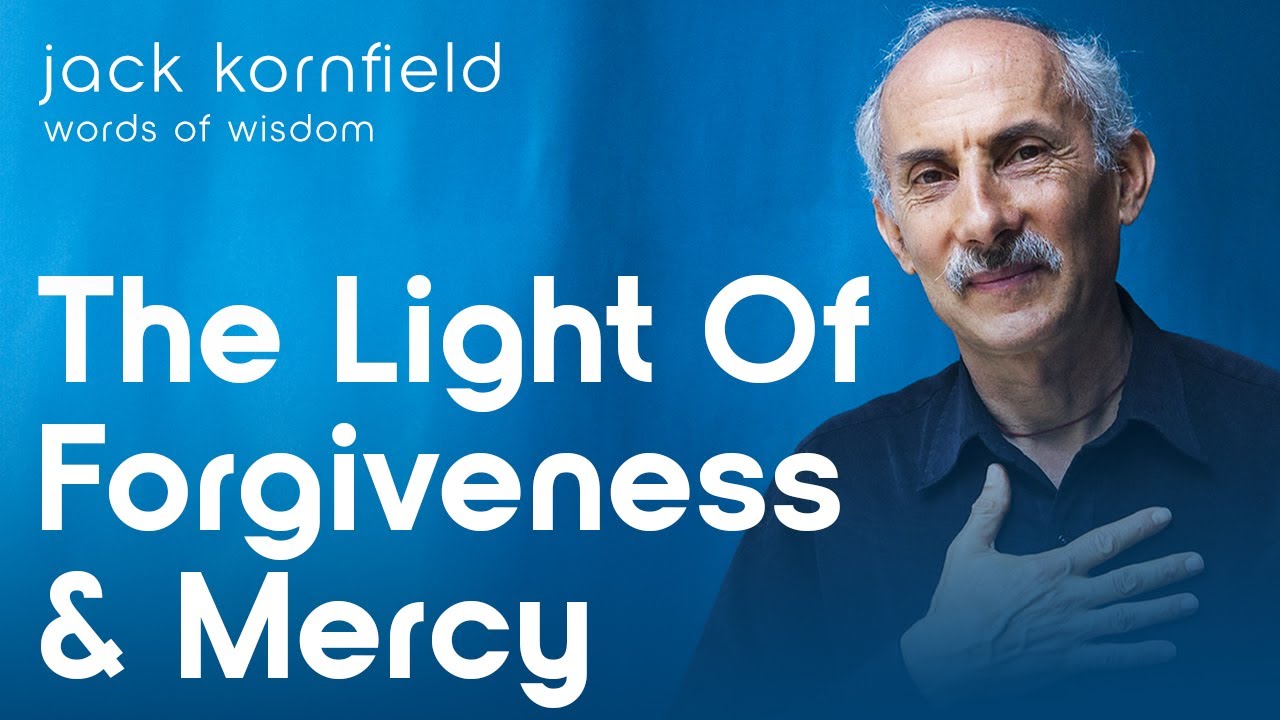
Jack Kornfield's poignant observation, "The unawakened mind tends to make war against the way things are," invites us to reflect on the nature of our thoughts and perceptions. In essence, he highlights the struggle that arises when we resist the present moment, creating an internal conflict that can lead to suffering. This insight is not merely philosophical; it speaks to the heart of our human experience, where acceptance of reality often feels like a daunting challenge. Understanding this dynamic is crucial for anyone seeking a more peaceful and fulfilling life.
As we delve deeper into Kornfield's words, we uncover the layers of meaning embedded within them. The "unawakened mind" refers to a state of consciousness that is clouded by ignorance and attachment, leading us to fight against the very fabric of existence. This resistance manifests in various forms—anxiety, frustration, and discontent—ultimately hindering our ability to experience life fully. By recognizing this tendency, we open ourselves to the possibility of transformation, allowing acceptance to replace conflict and fostering a deeper connection with ourselves and the world around us.
The image / the metaphor
The imagery in Kornfield's quote evokes a battlefield, where the mind engages in a relentless struggle against reality. The verbs "make war" suggest an active, aggressive stance, highlighting the intensity of our internal conflicts. This metaphor captures the essence of our human condition: we often find ourselves at odds with what is, yearning for a different outcome or resisting the inevitability of change. The felt sense of this struggle can be exhausting, leaving us drained and disconnected from the present moment.
In the speaker's tradition
Jack Kornfield's teachings are deeply rooted in the Buddhist tradition, which emphasizes the importance of acceptance and mindfulness as pathways to enlightenment. Central to this tradition is the concept of "dukkha," often translated as suffering or dissatisfaction, which arises from our attachments and aversions. Kornfield's insight resonates with the Buddhist understanding that the unawakened mind is trapped in a cycle of craving and aversion, perpetuating a state of discontent. By cultivating awareness and acceptance, we can begin to break free from this cycle and experience the profound peace that comes from embracing the present moment.
A relevant text that echoes this sentiment is the "Dhammapada," a collection of verses attributed to the Buddha. In it, the Buddha teaches that "all experiences are preceded by the mind, led by the mind, made by the mind." This highlights the power of our thoughts in shaping our reality. When we resist the way things are, we are essentially allowing our unawakened minds to dictate our experiences, leading to suffering. By turning our attention inward and cultivating mindfulness, we can transform our relationship with our thoughts and, in turn, our experience of life.
Living the teaching
Consider a modern scenario where this teaching can be applied: a person facing a challenging work environment. They may find themselves constantly frustrated by their colleagues' behaviors or the demands of their job, feeling as though they are at war with their circumstances. This internal conflict can lead to burnout and dissatisfaction. By recognizing this struggle and embracing acceptance, they can shift their perspective, allowing them to navigate their work life with greater ease and clarity. Instead of resisting the situation, they can focus on what they can control—how they respond to their environment—ultimately fostering a sense of peace amidst chaos.
Another application of this teaching can be found in personal relationships. Imagine a couple facing a disagreement; each partner may feel compelled to defend their position, creating tension and conflict. By acknowledging the unawakened mind's tendency to resist the way things are, they can approach the situation with a spirit of acceptance and compassion. This shift allows them to listen to each other's perspectives without judgment, fostering deeper understanding and connection. In daily practice, this could manifest as a commitment to mindfulness, where each partner takes a moment to breathe and reflect before reacting, creating space for acceptance and love to flourish.
A reflection
As we contemplate Kornfield's profound insight, we are invited to examine our own lives and the ways in which we may be waging war against reality. What are the areas in your life where you find yourself resisting the way things are? Consider how this resistance impacts your well-being and relationships. In this moment of reflection, ask yourself: How might embracing acceptance transform my experience of life and lead me toward greater peace?