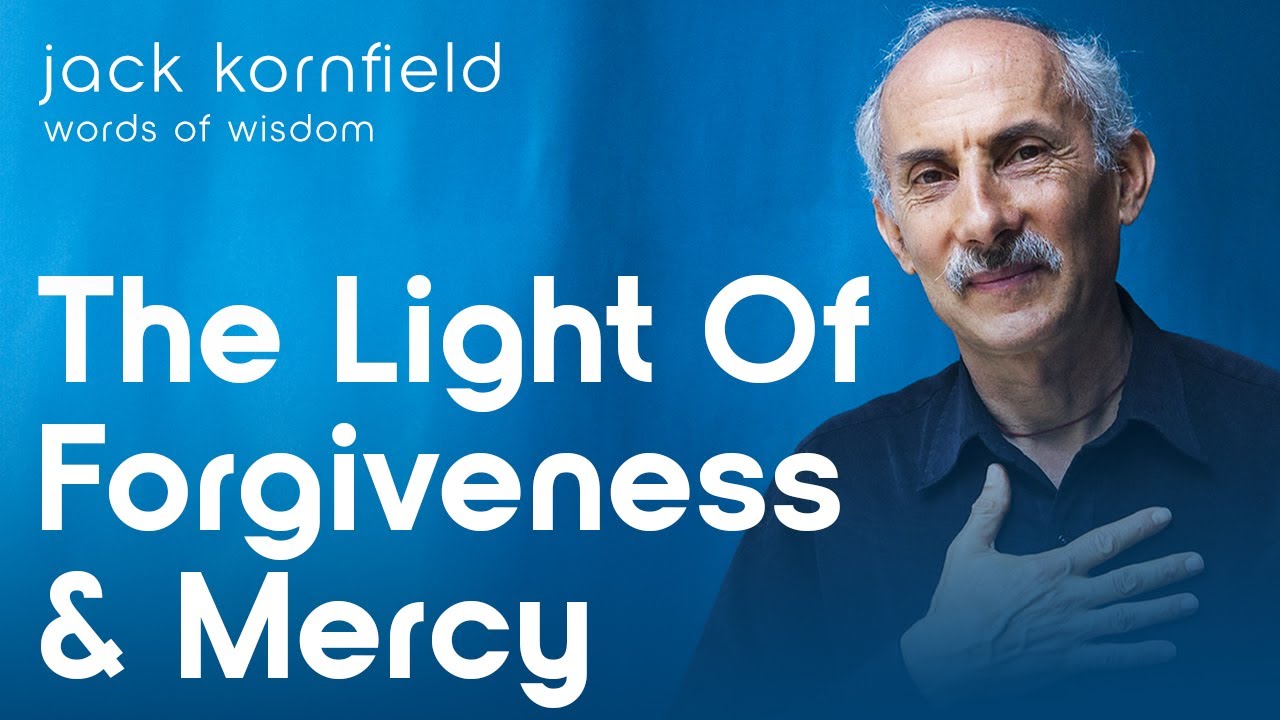
Jack Kornfield's poignant assertion, "The path is not about becoming. It is about un-becoming," invites us to reconsider our understanding of spiritual growth. Rather than a linear journey toward a defined goal or identity, this path emphasizes the importance of shedding layers of conditioning and expectation. It speaks to the heart of our spiritual practice, urging us to release the burdens we carry and return to our essential selves. In a world that often equates worth with achievement, this perspective is both liberating and challenging.
At its core, this quote encapsulates a profound truth about the nature of existence and the self. The notion of "un-becoming" suggests that our true essence is often obscured by societal pressures, personal ambitions, and the myriad roles we play. To embark on this path is to engage in a process of introspection and release, allowing us to peel back the layers that no longer serve us. This journey is not merely about personal transformation; it is an invitation to reconnect with the authenticity that lies within each of us.
The image / the metaphor
The imagery of "un-becoming" evokes a sense of gentle unraveling, as if we are slowly unwinding the tightly wound threads of our identities. The verb "becoming" implies a striving toward something external, a pursuit of goals that often leads to discontent. In contrast, "un-becoming" suggests a process of letting go, a softening of the self that allows for a more profound connection to our inherent nature. This felt sense of release can be both exhilarating and daunting, as it requires us to confront the fears and attachments that bind us.
In the speaker's tradition
Jack Kornfield, a prominent figure in the field of mindfulness and Buddhist teachings, draws upon a rich tradition that emphasizes the importance of letting go. Concepts such as dharma, or the natural law that governs the universe, and sunyata, the emptiness that allows for the fullness of experience, resonate deeply with the idea of un-becoming. In Buddhism, the path is often described as one of liberation from the attachments and illusions that cloud our perception, leading us toward a state of clarity and peace.
In his work, Kornfield often references the teachings of the Buddha, who spoke of the necessity of relinquishing clinging and aversion to attain enlightenment. The Heart Sutra, a foundational text in Mahayana Buddhism, encapsulates this idea with its declaration that "form is emptiness, and emptiness is form." This profound insight invites us to recognize that our identities and desires are transient, and that true liberation comes from embracing the fluidity of existence. In this light, un-becoming becomes a pathway to understanding the interconnectedness of all beings and the impermanence of our experiences.
Living the teaching
Consider a modern scenario where the teaching of un-becoming can be applied: a professional caught in the relentless pursuit of success. This individual may find themselves trapped in a cycle of overwork, driven by the belief that their worth is contingent upon their achievements. By embracing the concept of un-becoming, they can begin to question the narratives that fuel their ambition, allowing space for reflection and self-compassion. This shift in perspective can lead to a more balanced life, where fulfillment is found not in accolades but in the richness of present-moment awareness.
Another application of this teaching can be found in relationships, particularly during moments of conflict. When tensions arise, we often cling to our identities as "right" or "wrong," reinforcing barriers between ourselves and others. By practicing un-becoming, we can let go of these rigid identities and approach the situation with openness and vulnerability. This willingness to release preconceived notions fosters deeper connections and understanding, allowing love and compassion to flourish in the space created by our un-becoming.
A reflection
As we contemplate Kornfield's words, we are invited to ask ourselves: What layers of identity am I ready to release in order to reconnect with my true essence? This question encourages a deep exploration of our attachments, fears, and desires, prompting us to consider how they shape our experiences and interactions. In the stillness of reflection, we may uncover the beauty of un-becoming, discovering that our journey is not about striving for more, but rather about embracing the fullness of who we already are.