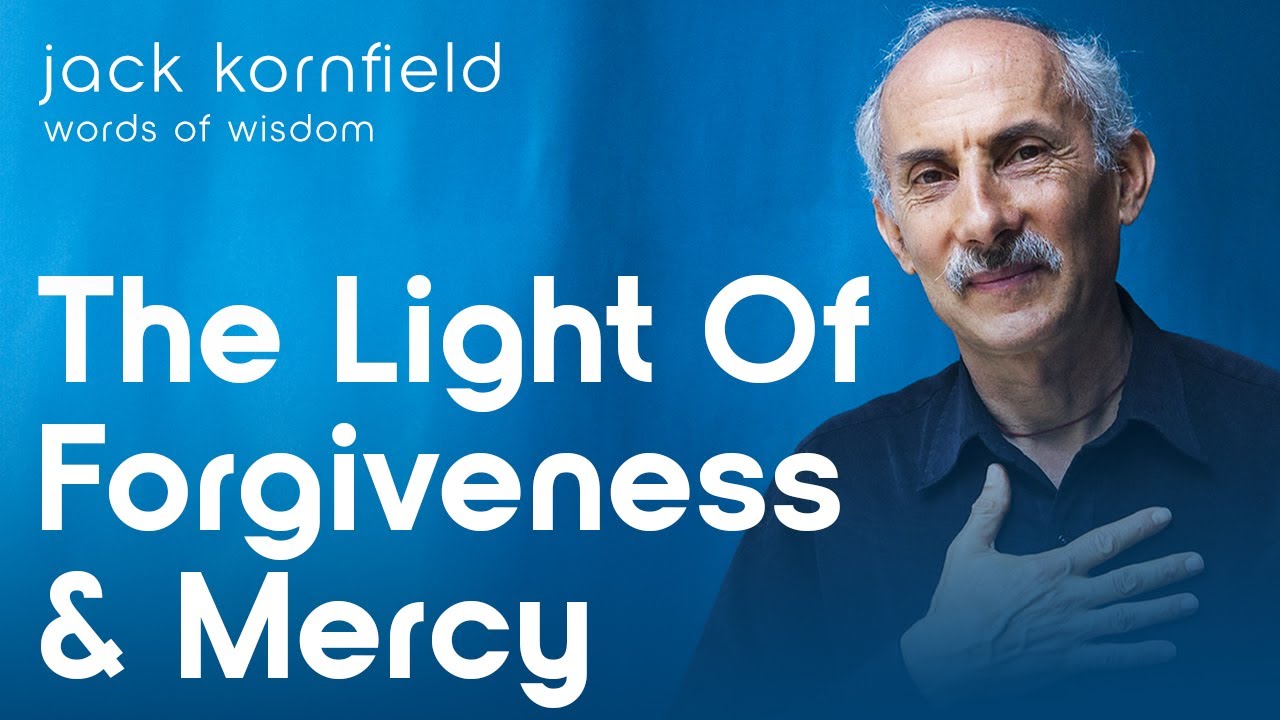
In the profound words of Jack Kornfield, "The one who knows is not the body, nor the mind. It is awareness itself." This statement invites us to explore the depths of our being, suggesting that our true essence transcends the physical and mental constructs we often identify with. In a world where we are frequently defined by our roles, thoughts, and emotions, this teaching serves as a gentle reminder of the deeper awareness that underlies our existence. Understanding this distinction is crucial for spiritual growth and personal liberation.
As we delve into Kornfield's insight, we are beckoned to recognize that our habitual identification with the body and mind can obscure our innate awareness. This awareness is not merely a passive observer; it is the very essence of our being, the unchanging witness to the ebb and flow of life. By cultivating a deeper understanding of this awareness, we can begin to navigate our experiences with greater clarity and compassion, ultimately leading to a more profound sense of peace and connection with ourselves and the world around us.
The image / the metaphor
The imagery in Kornfield's quote evokes a sense of liberation from the confines of our physical and mental identities. The phrase "the one who knows" suggests an active, discerning presence that is aware of both the body and mind but is not limited by them. This awareness can be likened to a vast sky, within which the clouds of thoughts and sensations pass by, momentarily obscuring the clarity of the sky itself. The verbs chosen—"knows," "is," and "awareness"—imply a dynamic relationship between the observer and the observed, inviting us to recognize that our true nature is the awareness that witnesses all experiences.
Diving deeper into this metaphor, we can see that awareness is not a static entity; it is fluid and ever-present, much like the ocean that contains myriad waves. Each wave represents our thoughts, emotions, and physical sensations, yet the ocean remains unchanged despite the tumultuous activity on its surface. This understanding encourages us to cultivate a sense of detachment from our transient experiences, allowing us to embrace the stillness and depth of our true nature. In this way, Kornfield's teaching invites us to explore the profound peace that arises when we identify with awareness rather than the fleeting aspects of our existence.
In the speaker's tradition
Jack Kornfield's teachings are deeply rooted in the Buddhist tradition, which emphasizes the importance of awareness and the nature of the self. Concepts such as dharma, the path of truth, and sunyata, or emptiness, resonate with the essence of Kornfield's quote. In Buddhism, the understanding of the self as an illusion is central to spiritual awakening. By recognizing that we are not merely our bodies or minds, we can begin to dissolve the attachments that bind us to suffering, ultimately leading to a state of liberation known as nirvana.
A relevant text that echoes this sentiment is the Heart Sutra, which states, "Form is emptiness, emptiness is form." This profound teaching encapsulates the idea that our physical and mental constructs are transient and insubstantial, while the awareness that perceives them is eternal and unchanging. By engaging with these teachings, we can cultivate a deeper understanding of our true nature, allowing us to navigate the complexities of life with greater wisdom and compassion.
Living the teaching
Consider a modern scenario where this teaching can be applied: a busy professional overwhelmed by the demands of work and life. In moments of stress, it is easy to become entangled in the whirlwind of thoughts and emotions, identifying solely with the pressures of deadlines and responsibilities. However, by practicing mindfulness and returning to the awareness that transcends these experiences, one can find a sense of calm amidst the chaos. This shift in perspective allows for a more balanced approach to challenges, fostering resilience and clarity.
In the context of relationships, Kornfield's teaching can also illuminate the dynamics between partners. When conflicts arise, it is common to become entrenched in our perspectives, believing that our thoughts and feelings define the entirety of the situation. By stepping back and recognizing the awareness that witnesses these interactions, we can cultivate empathy and understanding. This awareness enables us to respond rather than react, fostering deeper connections and healing within our relationships.
A reflection
As we contemplate Kornfield's profound insight, we are invited to ask ourselves: "What does it mean for me to identify with awareness rather than my thoughts and emotions?" This question encourages a deep exploration of our inner landscape, prompting us to consider how our lives might shift if we embraced the essence of awareness as our true self. In this inquiry, we may discover the freedom and peace that arise when we let go of the need to cling to our transient identities and instead rest in the stillness of our being.