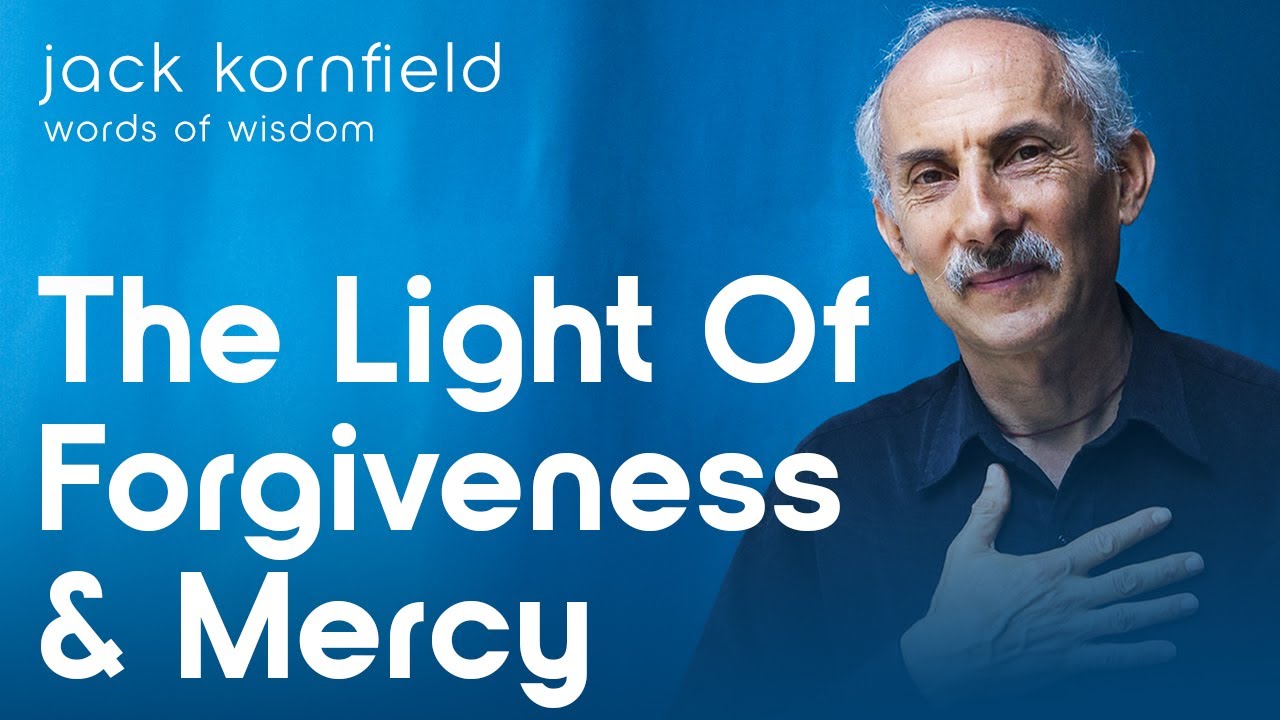
Jack Kornfield's assertion that "the fruit of practice is a heart at peace" encapsulates a profound truth about the transformative power of spiritual practice. In a world often characterized by chaos and distraction, the promise of inner peace serves as both a beacon and a goal for many seekers. This quote invites us to consider the nature of our spiritual endeavors and the tangible outcomes they yield, urging us to reflect on the deeper significance of our practices.
To delve into this teaching is to recognize that peace is not merely the absence of conflict but a cultivated state of being that arises from dedicated practice. Kornfield's words suggest that the journey toward a peaceful heart is not an abstract ideal but a concrete result of our efforts. This perspective challenges us to engage with our spiritual practices earnestly, understanding that the fruits of our labor manifest in the quietude of our hearts and minds.
The image / the metaphor
The imagery in Kornfield's quote evokes the notion of cultivation, where practice is likened to the diligent work of a gardener tending to a field. Just as a gardener nurtures seeds with care, patience, and attention, so too must we nurture our spiritual practices to reap the rewards of a peaceful heart. The verbs "fruit" and "practice" imply a process of growth and maturation, suggesting that peace is not an instantaneous gift but a gradual unfolding that requires our commitment and perseverance.
In the speaker's tradition
Jack Kornfield, a prominent figure in the Western adaptation of Buddhist teachings, draws upon a rich tradition that emphasizes the importance of practice in achieving inner peace. Central to this tradition is the concept of dharma, which refers to the path of righteousness and the teachings that guide us toward enlightenment. Kornfield's emphasis on the fruit of practice aligns with the Buddhist understanding of the Eightfold Path, where right action, right mindfulness, and right concentration are essential for cultivating a peaceful heart.
Furthermore, the notion of kenosis, or self-emptying, resonates deeply within this context. To practice is to let go of the ego's demands and to open oneself to the present moment. This aligns with the teachings found in texts such as the Dhammapada, which encourages practitioners to cultivate a mind that is free from attachment and aversion, ultimately leading to a heart that is at peace. In this way, Kornfield's quote serves as a contemporary echo of timeless wisdom, inviting us to engage with our spiritual journey earnestly.
Living the teaching
Consider a modern scenario where the teachings of Kornfield resonate profoundly: a busy professional navigating the demands of work and family life. Amidst the whirlwind of responsibilities, one might feel overwhelmed and disconnected from their inner self. By committing to a daily practice of mindfulness—whether through meditation, journaling, or simply taking moments to breathe—this individual can cultivate a sense of peace that permeates their daily interactions. The practice becomes a refuge, allowing them to respond to challenges with clarity and compassion rather than reactivity.
In the realm of relationships, the fruit of practice can manifest in the way we engage with loved ones. Imagine a moment of conflict where emotions run high; the ability to pause and draw upon the peace cultivated through practice can transform the interaction. Instead of escalating tensions, one can approach the situation with a calm heart, fostering understanding and connection. This application of Kornfield's teaching illustrates how the fruits of our spiritual endeavors can ripple outwards, enriching not only our own lives but also the lives of those around us.
A reflection
As we contemplate the essence of Kornfield's quote, we are invited to ask ourselves: What practices am I engaging in that nurture a heart at peace? This question encourages introspection and invites us to evaluate the effectiveness of our spiritual endeavors. By reflecting on our daily habits and the intentions behind them, we can begin to discern the pathways that lead us toward the tranquility we seek, ultimately guiding us toward a more harmonious existence.