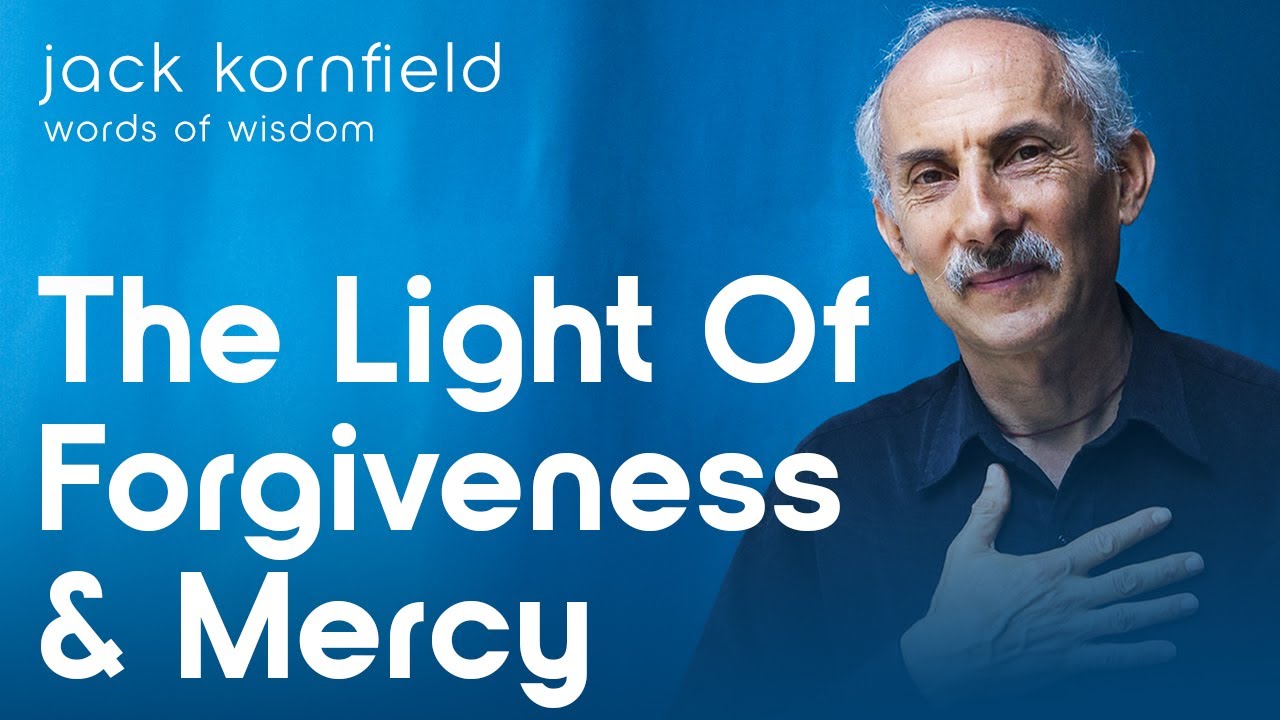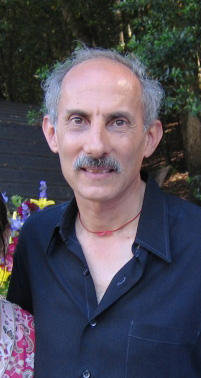
Jack Kornfield's assertion that "Faith is the willingness to step into the unknown with an open heart" invites us to reconsider the nature of faith itself. In a world often dominated by certainty and control, this perspective challenges us to embrace uncertainty as a fertile ground for growth and transformation. The stakes are high; to step into the unknown is to risk vulnerability, yet it is also to open ourselves to profound possibilities that lie beyond our current understanding.
Delving deeper, Kornfield's words suggest that faith is not merely a passive belief but an active engagement with life’s mysteries. It calls for a courageous heart, one that is willing to face the unpredictability of existence without the armor of preconceived notions or rigid expectations. This open-heartedness is not a denial of fear but an acknowledgment of it, allowing us to navigate the unknown with grace and resilience. In this way, faith becomes a dynamic interplay between trust and exploration.
The image / the metaphor
The imagery in Kornfield's quote evokes a sense of movement and adventure. "Stepping into the unknown" conjures up the image of a traveler embarking on a journey without a map, guided only by intuition and a sense of wonder. The verbs "step" and "willingness" imply action and choice, suggesting that faith is not a passive state but an active decision to engage with life’s uncertainties. The phrase "open heart" further enriches this imagery, inviting us to consider the emotional and spiritual openness required to embrace what lies ahead.
Going deeper into the metaphor, we can see that stepping into the unknown is akin to a dance with life itself. It requires us to let go of the familiar rhythms and patterns that often dictate our movements. In this dance, the open heart serves as our compass, guiding us through the complexities of existence. It reminds us that while we may not control the outcome, we can choose how we respond to the unfolding journey, allowing love and compassion to lead the way.
In the speaker's tradition
Moreover, Kornfield's emphasis on the heart resonates with the Buddhist practice of "metta," or loving-kindness. This practice encourages us to cultivate an open heart towards ourselves and others, fostering a sense of connection even amidst uncertainty. In "The Wise Heart," Kornfield draws upon these teachings, inviting us to recognize that faith is not merely a personal endeavor but a communal one, where we support each other in navigating the unknown together.
Living the teaching
Consider a modern scenario where this teaching can be applied: a person facing a significant life transition, such as a career change or the end of a relationship. The fear of the unknown can be paralyzing, yet Kornfield's perspective encourages this individual to approach the situation with an open heart. By acknowledging their fears while also embracing the possibilities that lie ahead, they can navigate this transition with greater resilience and clarity, allowing faith to guide their steps.
Another application of this teaching might arise in the context of interpersonal relationships. When conflicts arise, it is easy to retreat into defensiveness or to cling to our perspectives. However, stepping into the unknown with an open heart invites us to listen deeply and engage with empathy. This willingness to embrace vulnerability can transform relationships, fostering deeper understanding and connection, even in the midst of disagreement.
A reflection
As we reflect on Kornfield's profound insight, we might ask ourselves: What does it mean for me to step into the unknown with an open heart? This question invites us to explore our own relationship with faith and uncertainty, encouraging us to examine the areas in our lives where we might be holding back. In embracing this inquiry, we can begin to cultivate a deeper understanding of how faith can illuminate our paths, even when the way forward is shrouded in mystery.