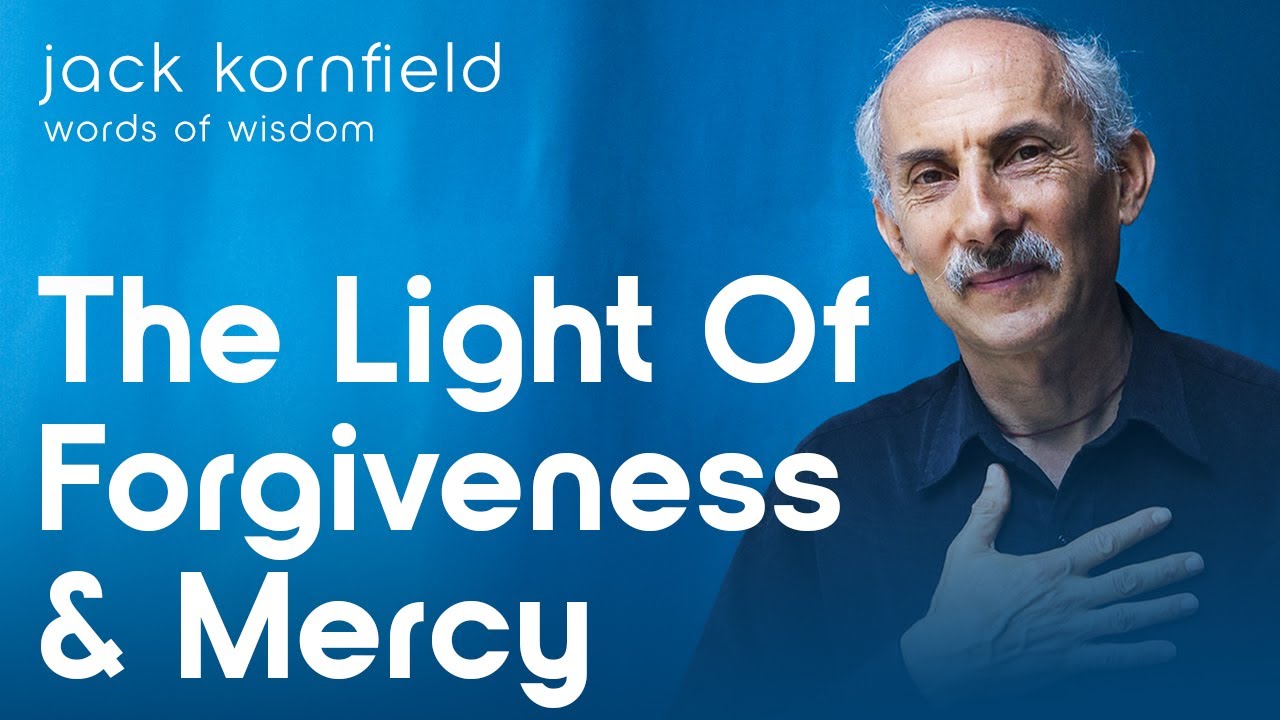
The Wholeness of Compassion: Embracing Ourselves
Jack Kornfield's assertion that "Compassion includes ourselves — or it is not compassion at all" invites us to reconsider the very essence of compassion. This statement emphasizes that true compassion cannot exist in isolation; it must encompass our own being, our struggles, and our imperfections. In a world often marked by self-criticism and judgment, this perspective is not merely a gentle reminder but a profound call to embrace a more holistic understanding of compassion. It challenges us to recognize that the journey toward compassion begins within, shaping how we extend kindness to others.
Delving deeper, Kornfield's words resonate with the understanding that self-compassion is not a selfish act but a necessary foundation for genuine empathy. When we neglect our own needs and feelings, we risk fostering a compassion that is superficial or conditional. By acknowledging our own humanity, we cultivate a wellspring of understanding that enriches our connections with others. This approach to compassion invites us to explore the intricate interplay between self-acceptance and the ability to extend love and kindness outward, creating a ripple effect that can transform both our inner lives and our relationships with the world.
The image / the metaphor
The imagery in Kornfield's quote evokes a sense of wholeness, suggesting that compassion is a tapestry woven from threads of self-acceptance and empathy. The verbs "includes" and "is" imply a relationship of interdependence, where the act of being compassionate towards others is intrinsically linked to how we treat ourselves. This notion of inclusion is vital; it speaks to the idea that compassion is not a finite resource but rather a boundless energy that expands when we acknowledge our own worth and struggles. The felt sense of this quote is one of warmth and embrace, inviting us to hold ourselves gently in the same light we offer to others.
Diving deeper into the metaphor, we can envision compassion as a vast ocean, where our self-compassion serves as the shoreline that defines its boundaries. Without this shoreline, the ocean becomes chaotic and unmanageable, just as compassion without self-acceptance can lead to burnout or resentment. Kornfield's words remind us that the depth of our compassion for others is directly proportional to the depth of our compassion for ourselves. This interconnectedness fosters a sense of unity, where the act of caring for oneself becomes a vital part of the larger landscape of compassion.
In the speaker's tradition
Moreover, the Buddhist notion of "sunyata," or emptiness, invites us to recognize that our self-perceptions are often clouded by illusion. By understanding that our flaws and struggles are part of the human experience, we can approach ourselves with greater compassion. Kornfield's teaching resonates with the teachings of the Buddha, who emphasized the importance of self-awareness and self-compassion as prerequisites for extending love and kindness to all beings. In this light, Kornfield's words serve as a modern echo of ancient wisdom, reminding us that the path to compassion is a journey that begins within.
Living the teaching
Consider a modern scenario where this teaching can be applied: a busy professional grappling with the demands of work and family life. In the pursuit of excellence, they may find themselves overwhelmed, often criticizing their perceived shortcomings. By embracing Kornfield's teaching, this individual can begin to practice self-compassion, acknowledging their efforts and recognizing that it is okay to struggle. This shift in perspective allows them to approach their responsibilities with greater clarity and kindness, ultimately enhancing their ability to support others in their lives.
In a different context, imagine a relationship where one partner feels hurt and neglected. Instead of reacting with anger or blame, they can reflect on Kornfield's insights and recognize their own feelings of inadequacy. By practicing self-compassion, they can communicate their needs more openly and honestly, fostering a deeper connection with their partner. This approach not only strengthens the relationship but also cultivates a shared understanding of compassion, where both individuals learn to embrace their vulnerabilities and support one another in their journeys.
A reflection
As we contemplate Kornfield's profound statement, we are invited to reflect on our own relationship with compassion. How often do we extend kindness to ourselves in the same way we do for others? In moments of struggle or self-doubt, do we allow ourselves the grace of understanding and acceptance? This contemplative question encourages us to explore the depths of our own hearts, recognizing that the journey toward compassion is not a destination but a continuous practice of embracing our wholeness.