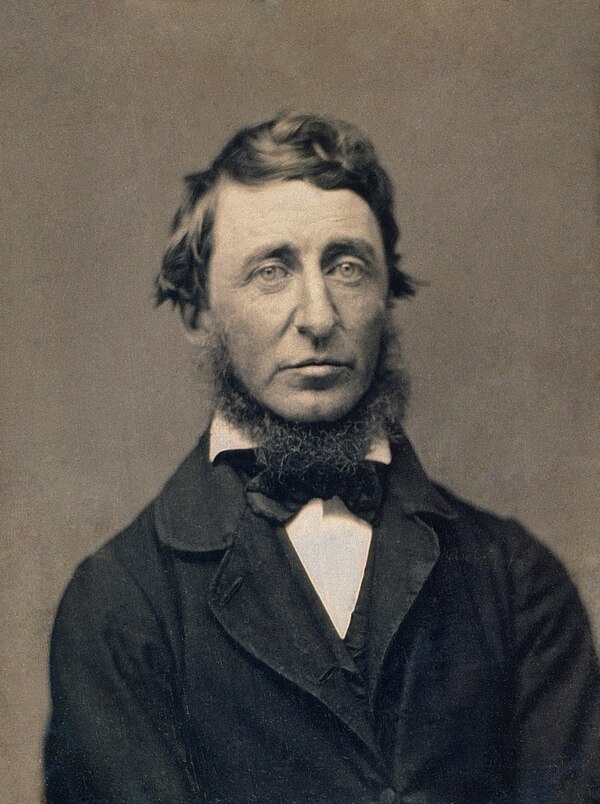
Henry David Thoreau's assertion, "How vain it is to sit down to write when you have not stood up to live," serves as a poignant reminder of the intrinsic relationship between experience and expression. In this quote, Thoreau challenges us to consider the authenticity of our words and the depth of our lived experiences. Writing, in his view, is not merely an act of putting pen to paper; it is a reflection of a life fully engaged with the world. This sentiment resonates deeply in a culture often enamored with the superficiality of expression, urging us to seek a more profound connection with our own lives before we attempt to articulate them.
Thoreau's words beckon us to examine the essence of our existence and the authenticity of our voices. They invite us to reflect on the moments we have truly "stood up to live"—those instances when we have embraced the fullness of our experiences, both joyous and challenging. In a world where distractions abound and the allure of passive consumption often overshadows active participation, Thoreau's call to authenticity becomes increasingly relevant. It implores us to engage with life in a way that enriches our understanding and informs our creative expressions, reminding us that true writing is born from the depths of lived experience.
The image / the metaphor
At the heart of Thoreau's quote lies a vivid imagery that juxtaposes the act of writing with the act of living. The phrase "sit down to write" evokes a sense of stillness, a moment of contemplation that is often associated with the creative process. In contrast, "stood up to live" conjures images of movement, engagement, and the vibrant pulse of life. The verbs chosen—"sit" and "stand"—carry significant weight, suggesting that writing without the foundation of lived experience is a passive endeavor, lacking the vitality that comes from genuine engagement with the world.
Diving deeper into the metaphor, we can see that Thoreau is not merely critiquing the act of writing; he is illuminating the necessity of authenticity in our creative pursuits. To "stand up to live" implies an active choice to engage with the world around us, to seek out experiences that challenge and inspire. This metaphor extends beyond writing, touching on the broader human experience. It suggests that our voices, whether in written form or spoken, are most powerful when they emerge from a place of deep understanding and connection to our own lives and the lives of others.
In the speaker's tradition
Thoreau's perspective is deeply rooted in the tradition of transcendentalism, a philosophical movement that emphasizes the inherent goodness of people and nature, as well as the importance of individual intuition and experience. Central to this tradition is the concept of authenticity, which aligns closely with the idea of dharma in Eastern philosophies—living in accordance with one's true nature and purpose. Just as dharma encourages individuals to engage with their unique paths, Thoreau's call to live fully before writing underscores the importance of personal experience as a foundation for authentic expression.
In his seminal work, "Walden," Thoreau articulates the value of simplicity and self-reliance, advocating for a life that is deeply connected to nature and personal truth. He writes about the importance of immersing oneself in the natural world, suggesting that such experiences enrich our understanding and inform our creative endeavors. This echoes the Buddhist concept of sunyata, or emptiness, which invites individuals to let go of preconceived notions and engage with the world as it is, fostering a deeper connection to both self and surroundings. Thoreau's insights remind us that true wisdom and creativity arise from a life fully lived.
Living the teaching
Consider a modern scenario where Thoreau's teaching resonates profoundly: a writer grappling with the blank page, feeling the weight of expectation yet lacking inspiration. This writer may find themselves caught in a cycle of frustration, attempting to produce meaningful work without having engaged deeply with their own experiences. By heeding Thoreau's advice, they might step away from the desk and immerse themselves in the world—taking a walk in nature, engaging in conversations, or simply observing the rhythms of daily life. Such experiences can ignite the creative spark, allowing their writing to flow from a place of authenticity and genuine insight.
This teaching can also find application in our relationships. Imagine a moment of conflict with a loved one, where words are exchanged without the grounding of understanding or empathy. In such instances, we may be tempted to articulate our feelings without first "standing up to live" through the experience of the other person. By taking the time to truly listen and engage with their perspective, we cultivate a deeper connection that enriches our communication. Thoreau's wisdom reminds us that authenticity in our interactions, much like in our writing, emerges from a commitment to understanding and experiencing life in its fullness.
A reflection
As we contemplate Thoreau's profound words, we are invited to reflect on our own lives: How often do we find ourselves speaking or writing without first engaging deeply with our experiences? In what ways can we cultivate a more authentic connection to our lives that informs our expressions? This contemplation encourages us to seek moments of genuine engagement, to stand up and live fully, allowing our voices to emerge from the richness of our experiences. In doing so, we honor not only our own truths but also the shared human experience that connects us all.


