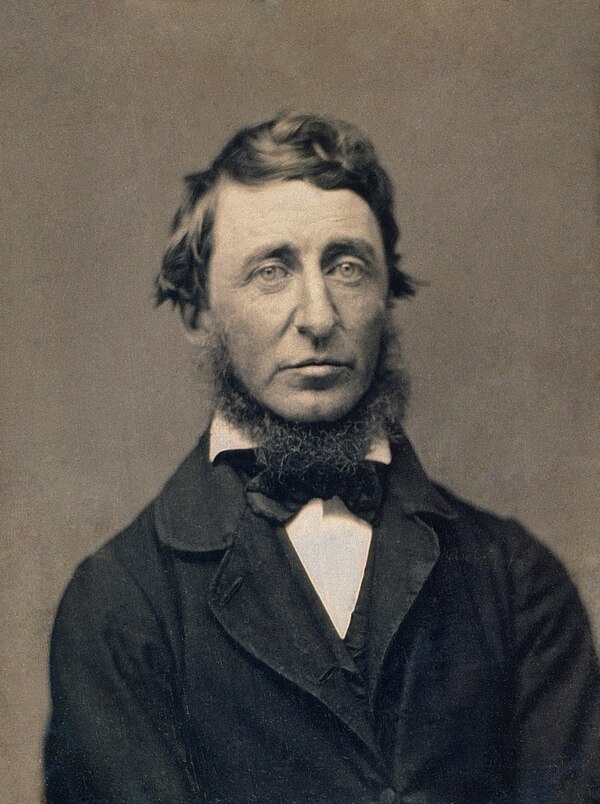
Henry David Thoreau's assertion, "Cast your whole vote, not a strip of paper merely, but your whole influence," invites us to consider the profound implications of our actions and choices. This quote challenges us to engage fully with our beliefs and values, urging us to recognize that our influence extends far beyond mere participation in a democratic process. It speaks to the essence of responsibility, suggesting that true engagement requires a holistic investment of our being, not just a superficial gesture.
In a world often characterized by apathy and disconnection, Thoreau's words resonate with urgency. They remind us that every decision we make, every action we take, contributes to the larger tapestry of society. This call to wholeness is not merely about voting in an election; it encompasses how we live our lives, interact with others, and contribute to the collective consciousness. Thoreau's invitation is to embody our values in every aspect of our existence, recognizing that our influence can shape the world around us.
The image / the metaphor
Thoreau's metaphor of casting a vote transcends the literal act of marking a ballot. The imagery evokes a sense of agency and responsibility, suggesting that our influence is not confined to a single moment or action. The phrase "your whole influence" implies a depth of engagement that encompasses our thoughts, words, and deeds. It invites us to reflect on the weight of our presence in the world, urging us to consider how our choices ripple through the lives of others.
Diving deeper into this metaphor, we can see that Thoreau is not merely advocating for participation; he is calling for a profound commitment to authenticity and integrity. The act of casting one's whole vote suggests a surrendering of the self to a greater purpose, a willingness to stand firmly in one's beliefs and values. This notion of wholeness resonates with the idea that our lives are interconnected, and our influence can either uplift or diminish the collective spirit of humanity.
In the speaker's tradition
Thoreau's philosophy is deeply rooted in the tradition of transcendentalism, which emphasizes the inherent goodness of people and nature. This movement champions individual intuition and the pursuit of truth, aligning closely with concepts such as dharma, which denotes one's duty or path in life. Just as dharma calls for an alignment of one's actions with their true nature, Thoreau's call to cast our whole vote urges us to live in accordance with our authentic selves, fully embracing our responsibilities to ourselves and to others.
In his seminal work, "Civil Disobedience," Thoreau articulates the importance of individual conscience and moral integrity. He argues that it is not enough to passively accept the status quo; rather, one must actively engage in the pursuit of justice and truth. This sentiment echoes the teachings found in various spiritual traditions, where the act of living one's truth is seen as a sacred duty. Thoreau's insistence on the necessity of personal responsibility resonates with the idea of kenosis, or self-emptying, where one must let go of ego to fully embrace their role in the greater whole.
Living the teaching
Consider a modern scenario where Thoreau's teaching can be applied: a community meeting addressing local environmental issues. In this setting, individuals may feel compelled to voice their opinions, yet many might hold back, fearing their contributions are insignificant. Thoreau's call to cast one's whole vote encourages participants to engage fully, recognizing that their unique perspectives and experiences can shape the conversation and lead to meaningful change. By embracing their influence, they contribute to a collective effort that can inspire action and foster a sense of community responsibility.
This teaching also finds relevance in personal relationships, particularly during moments of conflict. Imagine a disagreement between friends where one party chooses to remain silent, believing their voice will not matter. Thoreau's wisdom reminds us that true connection requires vulnerability and honesty. By casting their whole vote in the relationship—expressing feelings, concerns, and hopes—individuals can deepen their bonds and foster understanding. This commitment to authenticity not only enriches personal connections but also cultivates a culture of openness and trust.
A reflection
As we contemplate Thoreau's profound invitation, we are left with a contemplative question: In what areas of my life am I holding back my influence, and how might I fully embody my values and beliefs? This inquiry invites us to reflect on our choices and the ways we engage with the world around us. By embracing the fullness of our influence, we can begin to align our actions with our deepest convictions, ultimately contributing to a more compassionate and just society.


