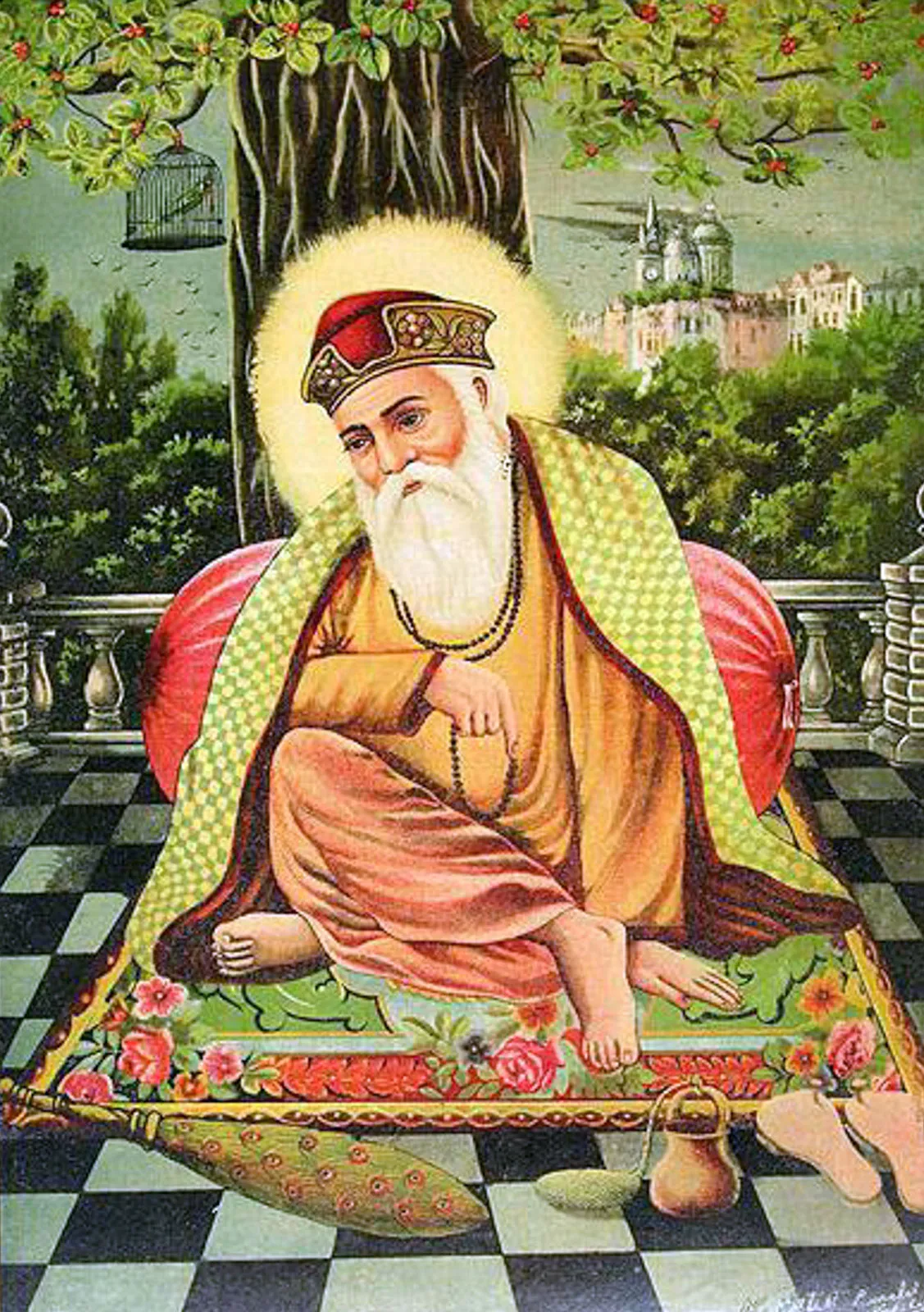
In the profound words of Guru Nanak, "Pavan Guru — Air the Guru. Paani Pita — Water the Father. Mata Dharti Mahat — Earth the Great Mother," we are invited to recognize the sacredness of the elements that sustain our existence. This quote encapsulates a vision of unity, where air, water, and earth are not merely physical substances but revered entities that embody spiritual wisdom and nurturing qualities. Understanding this interconnectedness is crucial in a world often marked by division and disconnection, reminding us of our shared origins and responsibilities.
As we delve deeper into this quote, we uncover layers of meaning that resonate with our contemporary struggles and aspirations. Guru Nanak's words urge us to honor the elemental forces that shape our lives, suggesting that our relationship with nature is not one of dominion but of reverence and gratitude. This perspective invites us to cultivate a sense of belonging within the larger tapestry of existence, fostering a profound respect for the world around us and the life it sustains.
The image / the metaphor
The imagery in Guru Nanak's quote is rich and evocative, presenting air, water, and earth as parental figures in our lives. The term "Guru" implies a teacher or guide, suggesting that air, as the breath of life, imparts wisdom and clarity. Similarly, water, referred to as "Pita" or father, symbolizes nourishment and sustenance, while the earth, honored as "Mata" or mother, represents the nurturing foundation upon which all life thrives. Each element is personified, inviting us to engage with them not just as resources but as sacred beings deserving of our respect and care.
In the speaker's tradition
Guru Nanak's teachings are deeply rooted in the Sikh tradition, which emphasizes the importance of living in accordance with dharma, or righteous living. The concept of kenosis, or self-emptying, resonates with the idea of surrendering to the wisdom of the elements, allowing them to guide our actions and decisions. In Sikhism, the notion of bhakti, or devotion, is also significant, as it encourages a heartfelt connection to the divine present in all aspects of life, including nature. This interconnectedness reflects the broader spiritual truths found in various traditions, emphasizing the importance of humility and reverence.
In the sacred text of the Japji Sahib, Guru Nanak articulates the essence of oneness with creation, echoing the sentiments expressed in this quote. The text invites readers to contemplate the divine presence in all aspects of life, urging them to recognize the sacredness of every element. This perspective aligns with the teachings of other spiritual traditions that emphasize the unity of existence, such as the Buddhist concept of sunyata, or emptiness, which encourages a deep understanding of interdependence and the transient nature of life.
Living the teaching
In our modern lives, the teaching encapsulated in Guru Nanak's quote can manifest in various ways. Consider a scenario where an individual feels overwhelmed by the demands of daily life. By taking a moment to step outside and breathe in the fresh air, they can reconnect with the element of air, allowing it to serve as a reminder of the wisdom and clarity it offers. This simple act of grounding oneself in nature can provide a sense of peace and perspective, reinforcing the idea that we are part of a larger whole.
Another application of this teaching can be found in interpersonal relationships. When conflicts arise, we can draw upon the nurturing qualities of water and earth to approach the situation with compassion and understanding. By embodying the qualities of a loving parent or caregiver, we can foster an environment of healing and reconciliation. This practice encourages us to see others not as adversaries but as fellow travelers on the journey of life, deserving of kindness and respect.
A reflection
As we contemplate the wisdom of Guru Nanak's words, we are invited to reflect on our relationship with the elements that surround us. How can we cultivate a deeper sense of gratitude and reverence for the air we breathe, the water we drink, and the earth that sustains us? In what ways can we honor these elemental forces in our daily lives, fostering a sense of unity and interconnectedness with all beings? This contemplation invites us to explore our role in the greater tapestry of existence, encouraging us to live with intention and awareness.


