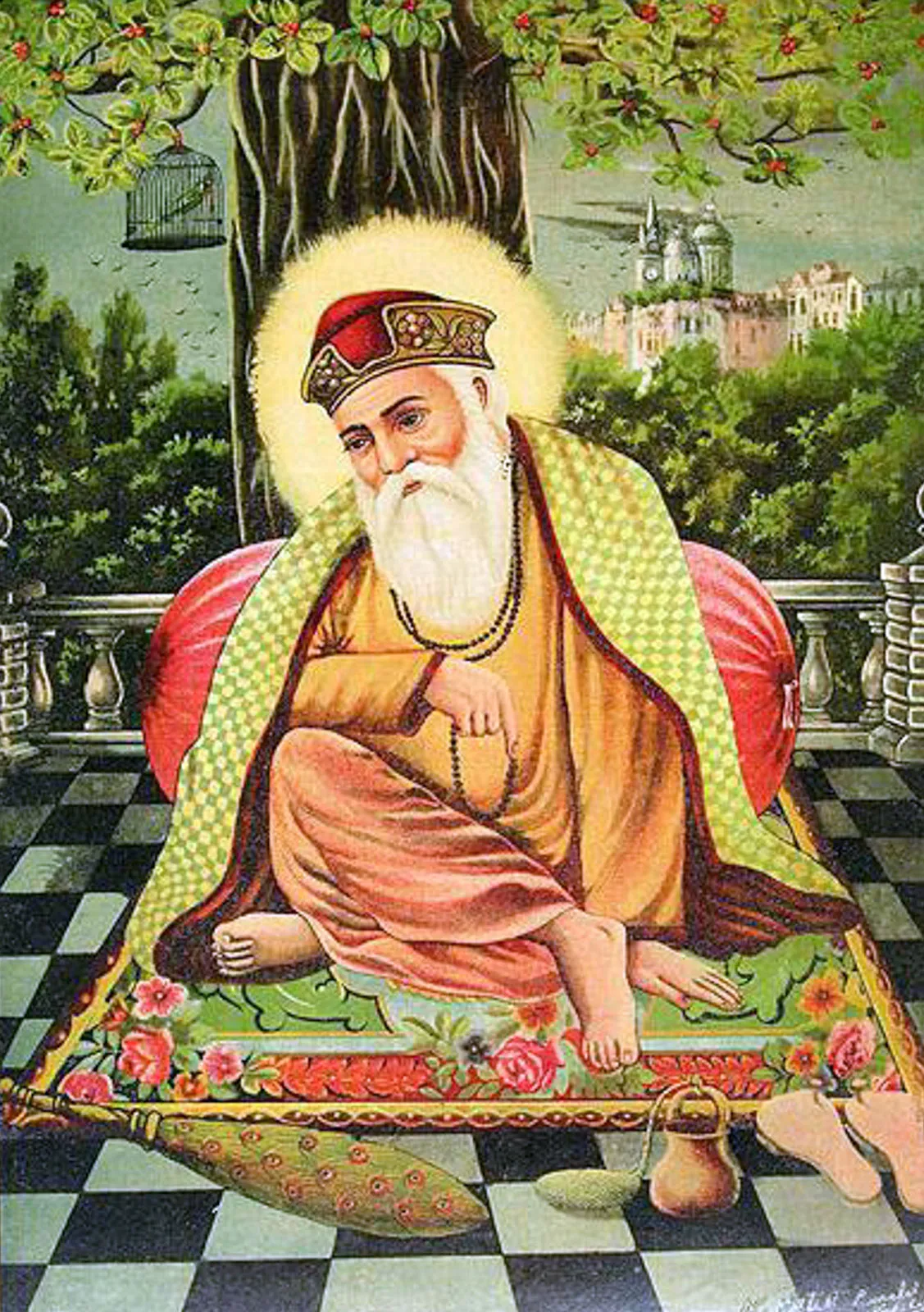
Guru Nanak's profound assertion, "Liberation from bondage comes only by Your Will. No one else has any say in this," invites us to contemplate the nature of freedom and the divine interplay of will and surrender. In a world often characterized by striving and self-determination, this statement challenges our understanding of agency and control. It suggests that true liberation is not a product of our own efforts but rather a gift bestowed upon us through the divine will, urging us to relinquish our attachments and trust in a higher power.
This perspective is particularly significant in a contemporary context where the pursuit of autonomy can lead to a sense of isolation and disconnection. Guru Nanak's words remind us that liberation is not solely an individual endeavor; it is a relational process that involves surrendering to the divine. This surrender is not a passive resignation but an active engagement with the divine will, inviting us to align our desires with a greater purpose. In doing so, we may find that the burdens we carry are lightened, and our paths illuminated by a wisdom that transcends our limited understanding.
The image / the metaphor
The imagery in Guru Nanak's quote evokes a sense of bondage and liberation, contrasting the constraints of our worldly existence with the expansive freedom found in divine will. The term "bondage" suggests a state of being trapped, whether by our desires, fears, or societal expectations. In contrast, "liberation" signifies a release from these constraints, a return to our true nature as beings of light and love. The verbs chosen—"comes" and "has"—imply a dynamic relationship between the seeker and the divine, where liberation is not something we can force but rather something that unfolds through grace.
In the speaker's tradition
Guru Nanak's teaching is deeply rooted in the Sikh tradition, which emphasizes the interconnectedness of all beings and the importance of surrendering to the divine will, or Hukam. This concept of Hukam reflects the understanding that the universe operates according to a divine order, and our liberation is contingent upon our alignment with this order. The Sikh path encourages practitioners to cultivate bhakti, or devotion, which fosters a sense of humility and openness to divine guidance. In this context, surrender is not seen as a loss of agency but as an invitation to participate in a greater cosmic dance.
Moreover, the idea of surrender resonates with the Buddhist concept of sunyata, or emptiness, which teaches that clinging to the self leads to suffering. Just as Guru Nanak emphasizes the necessity of relinquishing personal will, so too does the Buddhist tradition advocate for the letting go of ego-driven desires. In the Japji Sahib, Guru Nanak articulates the importance of recognizing the transient nature of life and the futility of striving for control. This echoes the wisdom found in other spiritual texts, where the path to liberation is often framed as a journey of surrendering the self to the divine.
Living the teaching
In our modern lives, the teaching of surrendering to divine will can manifest in various scenarios, particularly in moments of uncertainty or crisis. Consider a situation where an individual faces a significant life change, such as a job loss or the end of a relationship. In such times, the instinct may be to cling to control, to fight against the circumstances, and to seek immediate solutions. However, embracing Guru Nanak's teaching invites us to pause and reflect on the possibility that this moment of upheaval may be an opportunity for growth and transformation, guided by a higher purpose. By surrendering our need for control, we open ourselves to new possibilities and insights that may lead us toward a more fulfilling path.
This teaching also finds resonance in our interpersonal relationships. When conflicts arise, the urge to assert our will can often lead to further discord. Instead, applying the principle of surrendering to divine will can foster a spirit of compassion and understanding. By recognizing that our relationships are part of a larger tapestry woven by divine intention, we can approach disagreements with a sense of humility and openness. This shift in perspective allows us to navigate challenges with grace, inviting healing and connection rather than division.
A reflection
As we contemplate Guru Nanak's profound words, we are invited to reflect on our own relationship with control and surrender. What areas of your life are you clinging to, and how might surrendering to divine will open new pathways for liberation? This question encourages us to explore the delicate balance between our desires and the greater cosmic order, inviting us to trust in the unfolding of our lives with faith and openness.


