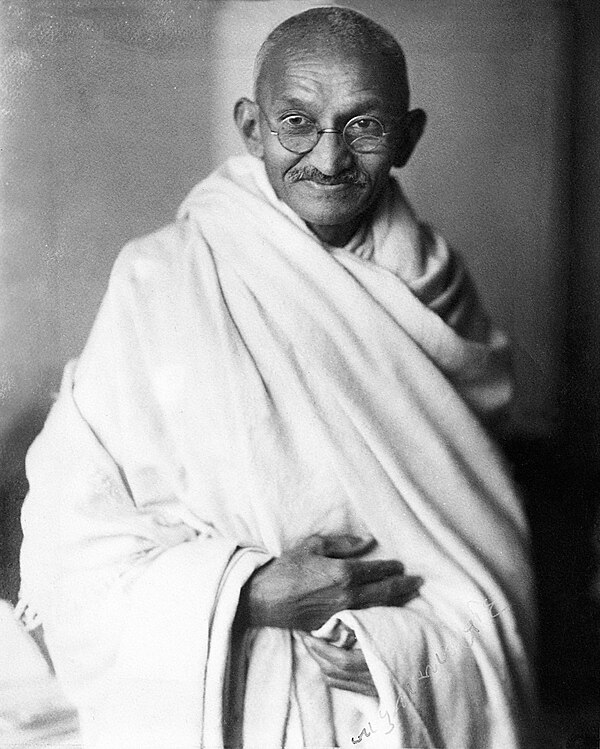
Mahatma Gandhi's assertion that "Whatever you do may seem insignificant to you, but it is most important that you do it" invites us to reflect on the profound impact of our actions, no matter how small they may appear. In a world often preoccupied with grand gestures and monumental achievements, this quote serves as a gentle reminder that every act holds value and meaning. The stakes are high; recognizing the importance of our daily actions can transform our lives and the lives of those around us.
This perspective challenges the modern tendency to measure worth by external success or recognition. Gandhi's words encourage us to cultivate a sense of humility and mindfulness in our endeavors. By understanding that even the smallest actions contribute to the greater tapestry of existence, we can find purpose and fulfillment in our everyday lives. This teaching resonates deeply within the context of spiritual growth, urging us to engage with the world around us in a meaningful way.
The image / the metaphor
The imagery in Gandhi's quote evokes a sense of quiet determination. The use of the word "insignificant" suggests a common human experience—doubting the value of our contributions. Yet, the phrase "most important that you do it" shifts our focus from the perceived triviality of our actions to their essential nature. This duality captures the essence of human experience: the struggle between self-doubt and the inherent value of action.
Diving deeper into the metaphor, we can see that Gandhi is not merely advocating for action but is emphasizing the importance of intention behind that action. Each small act, when performed with sincerity and purpose, can ripple outward, affecting change in ways we may never fully comprehend. This understanding invites us to embrace our roles as active participants in the unfolding of life, where every gesture, no matter how small, contributes to the larger narrative of existence.
In the speaker's tradition
Moreover, Gandhi's emphasis on humility and the significance of small actions can be likened to the concept of bhakti, or devotion. In the Bhakti movement, practitioners express their love and devotion through simple, everyday acts, demonstrating that the divine can be encountered in the mundane. This idea is echoed in the Bhagavad Gita, where Krishna teaches Arjuna that performing one's duty with devotion, regardless of the outcome, is the path to spiritual liberation. Thus, Gandhi's quote resonates deeply within the spiritual framework of Hinduism, inviting us to embrace our actions as sacred expressions of our inner selves.
Living the teaching
Consider a modern scenario where this teaching can be applied: a community volunteer program. Many individuals may feel that their contributions—be it organizing a small event, cleaning a park, or mentoring a child—are insignificant in the grand scheme of societal issues. However, Gandhi's wisdom reminds us that these actions, though seemingly small, can create a ripple effect of positive change. Each volunteer's effort adds to a collective impact, fostering a sense of community and hope that can inspire others to join in.
In a more personal context, think about a relationship where one partner feels their daily efforts—like cooking meals, offering emotional support, or simply being present—are undervalued. This teaching encourages both partners to recognize that these small acts of love and care are foundational to the relationship's health. By acknowledging the significance of these everyday actions, individuals can cultivate deeper connections and appreciation for one another, reinforcing the idea that love is often expressed in the simplest of gestures.
A reflection
As we contemplate Gandhi's profound insight, we are invited to ask ourselves: In what ways do I underestimate the significance of my actions? This question encourages introspection and mindfulness, prompting us to recognize the value of our contributions, however small they may seem. By embracing this perspective, we can cultivate a deeper sense of purpose and connection in our lives, allowing our actions to resonate with meaning and intention.


