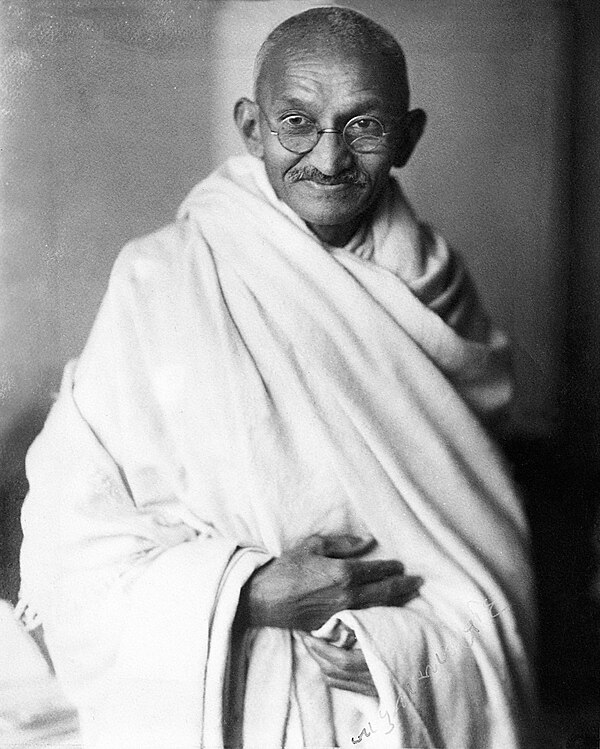
The Wisdom of Impermanence: Embracing Life's Transience
Mahatma Gandhi's assertion that "renunciation is not getting rid of the things of the world, but accepting that they pass away" invites us to reconsider our relationship with the material and the ephemeral. In a culture often fixated on accumulation and permanence, this perspective challenges us to embrace the transient nature of existence. By recognizing that all things are temporary, we can cultivate a deeper sense of peace and acceptance, allowing us to engage with life more fully and authentically.
This understanding of renunciation transcends mere detachment; it is an invitation to engage with the world while holding a profound awareness of its impermanence. Gandhi's insight encourages us to let go of our attachments, not by discarding the world around us, but by acknowledging its fleeting nature. This shift in perspective can lead to a more profound appreciation for the present moment, fostering a sense of gratitude and connection that enriches our lives.
The image / the metaphor
The imagery in Gandhi's quote evokes a gentle yet powerful recognition of life's transitory nature. The verbs "getting rid of" and "accepting" suggest a dynamic interplay between action and acceptance. Rather than a forceful rejection of worldly possessions or experiences, the act of acceptance implies a deep understanding and acknowledgment of the impermanence inherent in all things. This nuanced approach invites us to engage with our lives fully, without the burden of clinging to what is ultimately ephemeral.
In the speaker's tradition
Gandhi's teachings are deeply rooted in Hindu philosophy, where concepts such as dharma and sunyata resonate with the idea of impermanence. Dharma, or one's duty, emphasizes the importance of living in accordance with the natural order of the universe, which is ever-changing. Similarly, the Buddhist concept of sunyata, or emptiness, highlights the transient nature of all phenomena, encouraging practitioners to cultivate a sense of detachment from the material world while still engaging with it compassionately.
In the Bhagavad Gita, a foundational text in Hindu philosophy, Krishna imparts wisdom on the nature of the self and the impermanence of the physical body. He teaches that the soul is eternal, while the body is subject to birth and death. This understanding aligns with Gandhi's perspective, as it encourages individuals to recognize the fleeting nature of worldly attachments while nurturing a deeper connection to the eternal aspect of existence.
Living the teaching
Consider a modern scenario where this teaching can be applied: a person grappling with the loss of a job. The initial reaction may be one of despair and attachment to the identity tied to that position. However, by embracing Gandhi's insight, one can begin to see this loss as a natural part of life's ebb and flow. Accepting the impermanence of employment allows for a more profound exploration of new opportunities, fostering resilience and adaptability in the face of change.
In relationships, this teaching can also be transformative. Imagine a friendship that has grown distant over time. Instead of clinging to the past or feeling sorrow over the change, recognizing the impermanence of relationships can lead to a more compassionate understanding. By accepting that connections evolve, one can cherish the memories while remaining open to new experiences and relationships that may arise, fostering a sense of peace amidst the shifting tides of life.
A reflection
As we contemplate Gandhi's words, we are invited to reflect on our own attachments and the ways in which they shape our experiences. What are the things in your life that you cling to, believing they will provide lasting happiness? In recognizing their impermanence, how might you shift your perspective to embrace the beauty of each moment, allowing yourself to experience life more fully? This contemplation can lead to a deeper understanding of the transient nature of existence and a more profound appreciation for the present.


