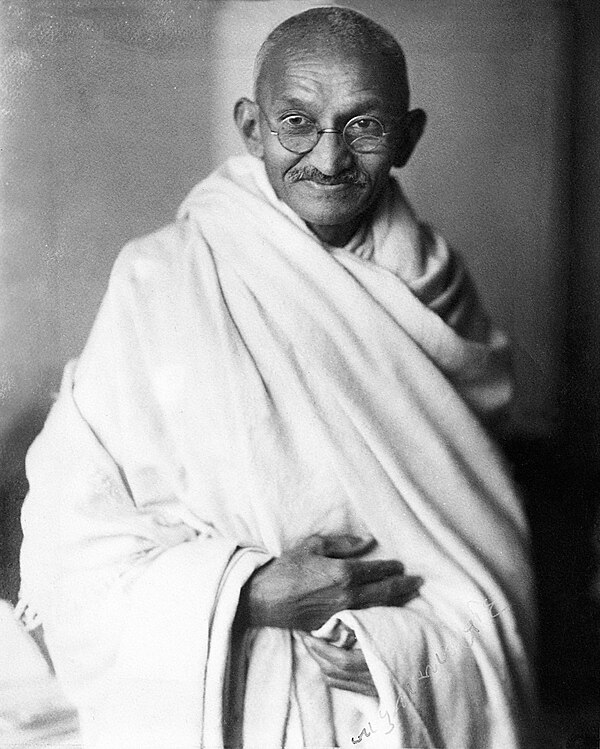
Mahatma Gandhi's assertion that "poverty is the worst form of violence" invites us to reconsider our understanding of violence itself. In this profound statement, he elevates the plight of the impoverished to a level of moral urgency, suggesting that the deprivation of basic needs is not merely a social issue but a fundamental violation of human dignity. This perspective compels us to confront the systemic injustices that perpetuate poverty, urging us to recognize that the absence of resources can inflict deeper wounds than physical harm.
Gandhi's words resonate with a timeless truth: poverty is not just an economic condition but a state that strips individuals of their agency and humanity. By framing poverty as violence, he challenges us to see the suffering it causes as a moral crisis that demands our attention and action. This understanding is particularly relevant in a world where economic disparities continue to widen, and the most vulnerable among us often bear the brunt of societal neglect. The stakes are high; to ignore this form of violence is to perpetuate a cycle of suffering that affects us all.
The image / the metaphor
The imagery in Gandhi's quote is striking, evoking a visceral sense of harm that transcends physical violence. The word "poverty" conjures images of scarcity, desperation, and hopelessness, while "violence" suggests an active force that inflicts pain and suffering. This juxtaposition creates a powerful metaphor: poverty is not a passive state but an aggressive force that assaults the very essence of human life. It is a violence that manifests in the deprivation of food, shelter, and opportunity, leaving individuals and communities in a state of despair.
Diving deeper into this metaphor, we can see that Gandhi's framing of poverty as violence also highlights the systemic nature of this issue. It suggests that societal structures and policies that allow poverty to persist are complicit in this violence. The verbs chosen—"is"—imply a state of being, indicating that poverty is not an isolated incident but a continuous condition that perpetuates suffering. This understanding compels us to recognize our collective responsibility in addressing the root causes of poverty, rather than merely treating its symptoms.
In the speaker's tradition
In the Bhagavad Gita, the notion of selfless action (karma yoga) reinforces this understanding, urging individuals to act for the welfare of others without attachment to the fruits of their labor. Gandhi's life and teachings echo this sentiment, as he dedicated himself to alleviating the suffering of the poor and marginalized. His commitment to social justice and nonviolence serves as a powerful reminder that addressing poverty is not merely a charitable act but a fundamental aspect of living a life aligned with dharma.
Living the teaching
In contemporary society, the implications of Gandhi's teaching can be seen in the ongoing struggles against systemic poverty and inequality. Consider the plight of individuals living in food deserts, where access to nutritious food is severely limited. This situation exemplifies how poverty acts as a form of violence, depriving people of the basic sustenance needed for health and well-being. Community initiatives aimed at providing access to fresh produce and education about nutrition serve as modern-day responses to this form of violence, embodying Gandhi's call to action.
On a more personal level, we can apply this teaching in our relationships and daily interactions. Imagine a scenario where a friend is experiencing financial hardship; recognizing the violence of poverty can inspire us to offer support, whether through emotional encouragement or practical assistance. This awareness can transform our approach to conflict, prompting us to seek understanding and compassion rather than judgment. By embodying the principles of nonviolence and justice in our everyday lives, we contribute to a culture that values human dignity and seeks to alleviate the suffering caused by poverty.
A reflection
As we contemplate Gandhi's powerful assertion, we are invited to reflect on our own relationship with poverty and justice. How do we perceive the struggles of those around us, and what actions can we take to address the systemic issues that perpetuate suffering? This question challenges us to examine our own biases and privileges, urging us to engage with the world in a way that honors the dignity of every individual. In doing so, we can begin to dismantle the structures of violence that poverty represents and work towards a more just and compassionate society.


