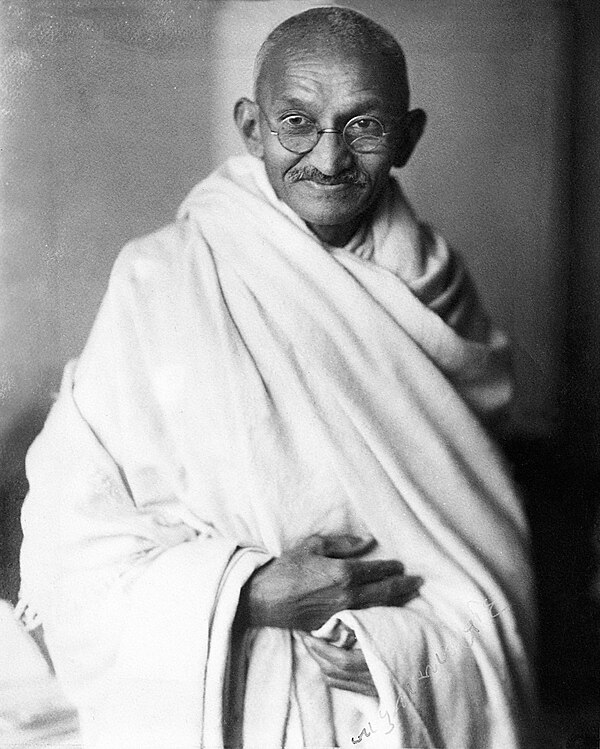
Mahatma Gandhi's assertion that "Nonviolence is the greatest force at the disposal of mankind" invites us to reconsider the very nature of power and strength. In a world often dominated by weapons and aggression, Gandhi's words remind us that true might lies not in destruction but in the capacity for compassion and understanding. This perspective challenges us to reflect on how we engage with conflict and the tools we choose to wield in our interactions with others.
Gandhi's emphasis on nonviolence as a formidable force speaks to a profound truth: that the human spirit, when aligned with love and justice, can transcend even the most formidable barriers. This notion is particularly relevant today, as we witness the consequences of violence and hatred across the globe. By embracing nonviolence, we not only empower ourselves but also inspire others to seek peaceful resolutions, fostering a collective movement toward harmony and understanding.
The image / the metaphor
The imagery in Gandhi's quote evokes a striking contrast between nonviolence and the destructive capabilities of mankind. The phrase "greatest force" suggests an immense, almost cosmic power that resides within the practice of nonviolence, while "the mightiest weapon of destruction" conjures images of chaos and devastation. The verbs chosen—"disposal" and "devised"—imply a deliberate choice, highlighting that nonviolence is not merely a passive stance but an active, intentional force that can be wielded with purpose.
Diving deeper into the metaphor, we can see nonviolence as a river that flows steadily, carving its path through the landscape of human experience. It is not a sudden eruption of power but a persistent, transformative force that can reshape hearts and minds over time. In contrast, the weapons of destruction represent fleeting moments of power that ultimately lead to ruin. Gandhi's words invite us to recognize the enduring strength of nonviolence, which, like a river, can overcome obstacles and create lasting change.
In the speaker's tradition
Furthermore, Gandhi's approach to nonviolence can be likened to the concept of kenosis, or self-emptying, found in various spiritual traditions. This notion encourages individuals to relinquish their ego-driven desires in favor of a greater good. In the Bhagavad Gita, Lord Krishna speaks of the importance of selfless action, urging Arjuna to act without attachment to the fruits of his labor. Gandhi's nonviolent resistance embodies this principle, as he sought to achieve justice not through force but through the power of love and sacrifice.
Living the teaching
In contemporary society, the application of Gandhi's teaching on nonviolence can be seen in movements advocating for social justice and equality. For instance, the Black Lives Matter movement embodies the spirit of nonviolent resistance, as activists seek to address systemic racism through peaceful protests and dialogue. By harnessing the power of nonviolence, these movements challenge oppressive systems while fostering a sense of community and solidarity among those who seek change. This real-world example illustrates how Gandhi's philosophy remains relevant and potent in addressing the injustices of our time.
On a more personal level, we can apply the principles of nonviolence in our relationships, particularly during moments of conflict. Imagine a disagreement with a loved one where emotions run high. Instead of resorting to harsh words or actions that may escalate the situation, one can choose to respond with empathy and understanding. By practicing active listening and expressing feelings without blame, we embody the essence of nonviolence, creating a space for healing and reconciliation. This daily practice not only strengthens our relationships but also cultivates a deeper sense of inner peace.
A reflection
As we contemplate Gandhi's profound assertion, we are invited to reflect on the nature of our own power and the choices we make in our interactions with others. What does it mean to wield the force of nonviolence in our lives? In what ways can we cultivate compassion and understanding in the face of conflict? These questions encourage us to explore the depths of our own humanity and the transformative potential that lies within the practice of nonviolence.


