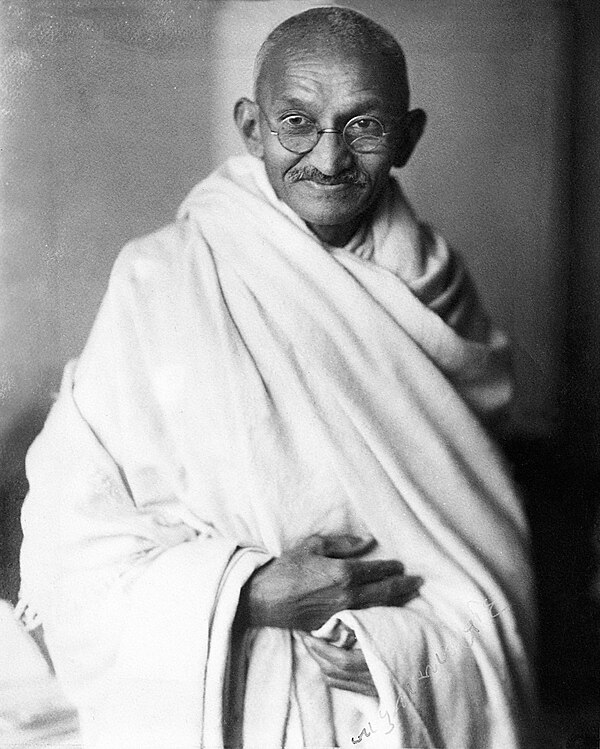
Mahatma Gandhi's assertion that "Man often becomes what he believes himself to be" invites us to explore the profound relationship between self-perception and personal transformation. This statement underscores the idea that our beliefs shape our identities and, consequently, our actions. In a world where self-doubt and external judgments can cloud our vision, Gandhi's words serve as a reminder of the power we hold in defining who we are and what we can achieve. Understanding this dynamic is crucial, as it can lead to a more empowered and authentic existence.
Delving deeper, we recognize that belief is not merely a passive state; it is an active force that influences our choices and behaviors. When we internalize positive beliefs about ourselves, we cultivate resilience and the capacity to navigate life's challenges. Conversely, negative beliefs can confine us, limiting our potential and stifling our growth. Gandhi's insight encourages us to examine our self-beliefs critically, urging us to embrace a vision of ourselves that aligns with our highest aspirations and values.
The image / the metaphor
The imagery in Gandhi's quote evokes a sense of transformation that is both personal and profound. The verb "becomes" suggests a process of evolution, indicating that our identities are not fixed but rather fluid and subject to change. This notion of becoming implies a journey, one that is influenced by our beliefs and perceptions. The phrase "what he believes himself to be" highlights the intimate connection between self-identity and self-affirmation, suggesting that our internal narratives shape our external realities.
Going deeper into the metaphor, we can see that belief acts as a lens through which we view the world and ourselves. Just as a painter chooses colors to create a masterpiece, our beliefs color our experiences and interactions. If we believe ourselves to be capable and worthy, we approach life with confidence and openness. Conversely, if we see ourselves as inadequate or unworthy, we may inadvertently create barriers that hinder our growth. Thus, Gandhi's words remind us that the canvas of our lives is painted by the beliefs we choose to embrace.
In the speaker's tradition
Moreover, Gandhi's perspective can be likened to the notion of prajna, or wisdom, which encourages self-awareness and understanding of one's true nature. In the Bhagavad Gita, Krishna imparts wisdom to Arjuna, guiding him to recognize his divine essence and purpose. This interplay between belief and self-realization is echoed in Gandhi's quote, as both emphasize the transformative power of understanding oneself. By cultivating a belief in our potential, we can navigate the complexities of life with clarity and purpose.
Living the teaching
Consider a modern scenario where this teaching resonates: an individual facing a career transition. As they grapple with self-doubt and uncertainty, they may find themselves questioning their abilities and worthiness for new opportunities. However, by consciously shifting their belief system—recognizing their skills, experiences, and unique contributions—they can transform their approach to this transition. Embracing a belief in their potential allows them to pursue new paths with confidence, ultimately leading to personal and professional growth.
In a different context, imagine a relationship where one partner struggles with feelings of inadequacy. If they believe they are unworthy of love and respect, this belief can manifest in behaviors that create distance and conflict. By fostering a belief in their inherent value and the strength of their connection, they can engage in open communication and vulnerability. This shift not only enhances their self-esteem but also deepens the bond between partners, illustrating how belief shapes not only individual experiences but also relational dynamics.
A reflection
As we contemplate Gandhi's profound insight, we are invited to reflect on our own beliefs and how they shape our identities. What narratives do we hold about ourselves, and how do these beliefs influence our actions and relationships? In this moment of introspection, consider the question: "What would change in my life if I fully embraced the belief that I am capable of achieving my highest aspirations?" This inquiry can serve as a catalyst for transformation, guiding us toward a more authentic and empowered existence.


