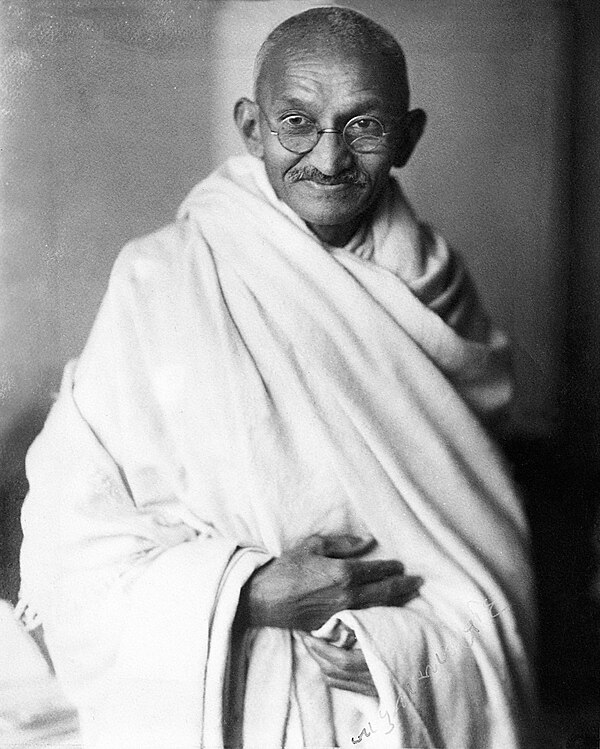
Mahatma Gandhi's assertion that "Joy lies in the fight, in the attempt, in the suffering involved, not in the victory itself" invites us to reconsider our relationship with success and struggle. In a world that often equates joy with achievement, Gandhi's words remind us that the essence of joy is found not in the outcomes we chase but in the resilience we cultivate along the way. This perspective challenges us to embrace the process of striving, suggesting that the true richness of life is woven into the very fabric of our efforts and the lessons learned through adversity.
By emphasizing the importance of the struggle, Gandhi encourages us to find meaning in our endeavors, regardless of the results. This notion resonates deeply within the human experience, where the path to fulfillment is often fraught with challenges. The act of striving, the willingness to engage with our difficulties, and the courage to persist become the true sources of joy. In this light, we are invited to shift our focus from the fleeting nature of victory to the enduring value of perseverance and growth.
The image / the metaphor
Gandhi's quote paints a vivid picture of the human experience, where the journey is characterized by struggle and effort. The use of the words "fight," "attempt," and "suffering" evokes a sense of active engagement with life's challenges. These verbs suggest a dynamic process, one that requires courage and determination. The imagery conjures up a battlefield, not of physical combat, but of personal trials, where each step taken in the face of adversity is a testament to our resilience and commitment.
Delving deeper into the metaphor, we can see that the "fight" represents the internal and external struggles we face. It is a call to acknowledge that suffering is an integral part of the human condition, and through this suffering, we can discover profound joy. The attempt signifies our willingness to engage with life fully, to take risks, and to embrace uncertainty. In this context, joy becomes a byproduct of our efforts, a light that shines through the cracks of our struggles, illuminating the path forward.
In the speaker's tradition
Gandhi's perspective is deeply rooted in the Hindu tradition, which emphasizes concepts such as dharma, the moral duty that guides our actions. In this framework, the struggle is not merely a personal endeavor but a fulfillment of one's duty to oneself and to the world. The idea of kenosis, or self-emptying, aligns with Gandhi's teaching, suggesting that true joy arises when we let go of our attachments to outcomes and embrace the process of giving ourselves to the struggle. This selfless engagement transforms our suffering into a source of strength and joy.
Moreover, the notion of bhakti, or devotion, resonates with Gandhi's emphasis on the journey over the destination. In the Bhagavad Gita, Krishna teaches Arjuna about the importance of performing one's duty without attachment to the fruits of action. This timeless wisdom reinforces Gandhi's assertion that joy is found in the act of striving, in the devotion to our purpose, rather than in the accolades that may follow. The Gita's teachings encourage us to cultivate a sense of detachment from results, allowing us to find fulfillment in the very act of living our truth.
Living the teaching
Consider a modern scenario where this teaching can be applied: a student preparing for a challenging exam. In a culture that often prioritizes grades and accolades, the student may feel immense pressure to achieve a specific outcome. However, if they embrace Gandhi's perspective, they can find joy in the process of studying, in the late nights spent grappling with difficult concepts, and in the growth that comes from overcoming obstacles. This shift in focus allows the student to appreciate their efforts and resilience, regardless of the final grade.
In relationships, this teaching can manifest in moments of conflict or misunderstanding. Instead of fixating on the resolution or the desire to "win" an argument, partners can find joy in the struggle to communicate and understand each other. The process of navigating difficulties together can deepen their connection and foster growth. By embracing the fight, they cultivate a richer, more meaningful relationship, one that thrives on the shared experience of overcoming challenges rather than merely celebrating victories.
A reflection
As we contemplate Gandhi's profound insight, we are invited to reflect on our own lives: Where do we seek joy, and how might we redefine our understanding of success? In what areas are we overly focused on the outcome, potentially missing the beauty of the journey? By engaging with these questions, we can begin to uncover the hidden joys within our struggles, transforming our approach to life and deepening our appreciation for the process of becoming.


