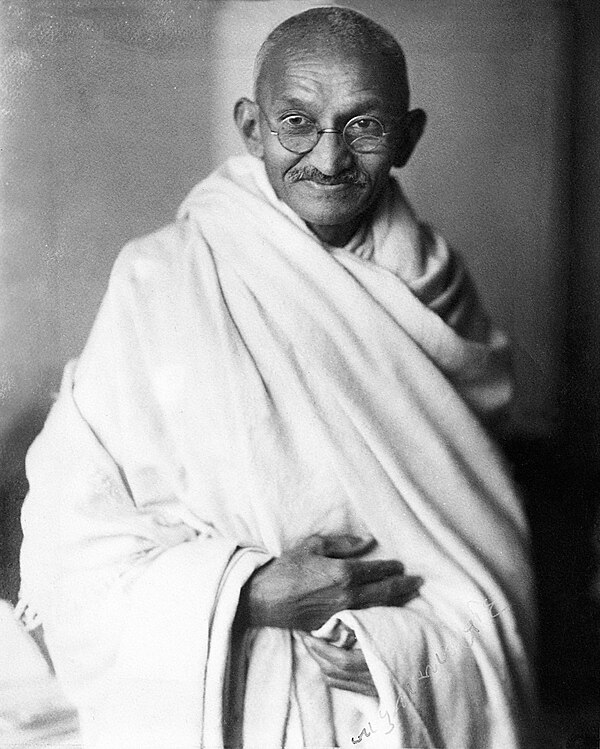
Mahatma Gandhi's assertion that "A coward is incapable of exhibiting love; it is the prerogative of the brave" invites us to consider the profound relationship between love and courage. In this statement, Gandhi challenges us to rethink our understanding of love, suggesting that it is not merely a feeling but an act of bravery that requires vulnerability and strength. The stakes are high; to love deeply is to expose oneself to potential pain and rejection, yet it is also the pathway to authentic connection and fulfillment.
In a world often marked by fear and division, Gandhi's words resonate with a timeless truth: love is not for the faint-hearted. It demands that we confront our insecurities and embrace the unknown, standing firm in our commitment to others despite the risks involved. This perspective invites us to reflect on our own lives and the ways in which we may shy away from love due to fear, urging us instead to cultivate the courage necessary to engage fully with ourselves and those around us.
The image / the metaphor
The imagery in Gandhi's quote is striking, contrasting the notions of cowardice and bravery in the context of love. The term "coward" evokes a sense of retreat, of hiding from the challenges that love presents, while "brave" conjures images of boldness and resilience. The verbs chosen—"exhibiting" love—suggest that love is not merely an internal state but an outward expression, a manifestation of one's inner strength. This framing compels us to recognize that love is an active choice, one that requires us to step beyond our comfort zones and engage with the world authentically.
Diving deeper into the metaphor, we see that love, in Gandhi's view, is intertwined with the very essence of courage. To love is to take risks, to open oneself to the possibility of hurt, and to stand firm in the face of adversity. This understanding of love as a courageous act challenges the common perception of love as a passive or effortless emotion. Instead, it positions love as a dynamic force that demands our active participation and unwavering commitment.
In the speaker's tradition
Moreover, Gandhi's emphasis on love as a courageous act can be paralleled with the notion of kenosis, or self-emptying, found in various spiritual traditions. This idea, which encourages individuals to let go of their ego and embrace vulnerability, aligns with Gandhi's call for bravery in love. In his writings, Gandhi often referred to the Bhagavad Gita, where the concept of selfless action is central. The Gita teaches that true love and devotion require us to act without attachment to the fruits of our actions, embodying the courage to love without expectation.
Living the teaching
In contemporary life, the teaching that love requires courage can be seen in various scenarios, particularly in the realm of social justice. Consider an individual who witnesses injustice in their community. The cowardice would be to remain silent, to avoid confrontation for fear of backlash or discomfort. However, the brave choice is to speak out, to advocate for those who are marginalized, and to stand firm in the belief that love for humanity compels us to act. This act of courage not only fosters a sense of community but also inspires others to embrace their own bravery in the face of adversity.
On a more personal level, this teaching can manifest in our relationships. Imagine a moment of conflict with a loved one, where the instinct might be to withdraw or retaliate. Embracing Gandhi's wisdom, one might choose to confront the issue with honesty and vulnerability, expressing feelings openly rather than hiding behind fear. This courageous act of love can lead to deeper understanding and connection, transforming potential discord into an opportunity for growth and reconciliation.
A reflection
As we contemplate Gandhi's profound assertion, we are invited to reflect on our own lives: In what ways do we allow fear to inhibit our capacity to love? Are there relationships or situations where we might choose courage over cowardice? By engaging with these questions, we can begin to cultivate a deeper understanding of love as an active, brave choice, ultimately enriching our connections with ourselves and others.


