The Interwoven Tapestry of Existence
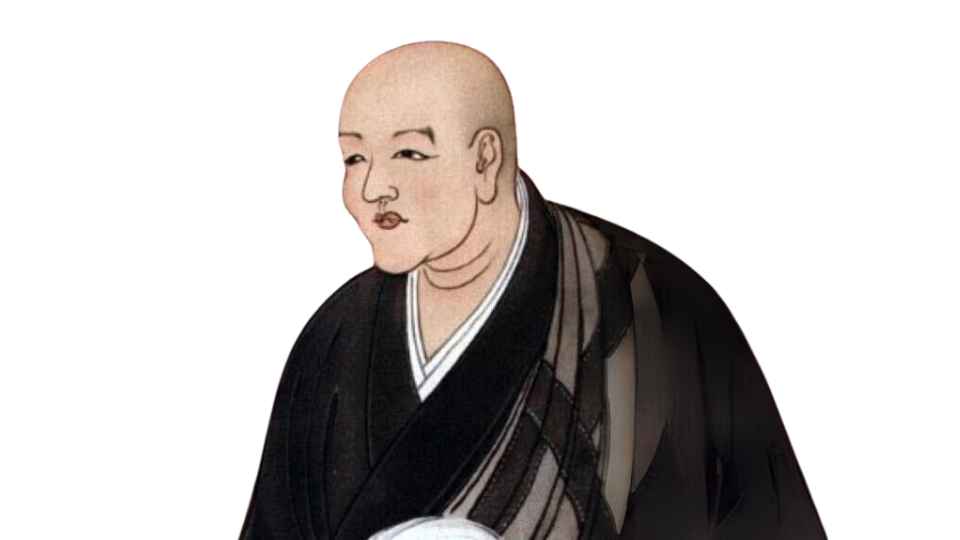
In the words of Dōgen, "You should know that even though all dharmas are intimately connected, each remains in its own dharma position." This profound statement invites us to explore the intricate relationship between the interconnectedness of all things and the unique essence of each individual entity. It beckons us to recognize that while we are part of a larger whole, we also maintain our distinct roles and characteristics within that unity. This understanding is not merely academic; it has the potential to transform how we perceive ourselves and our relationships with others, urging us to honor both our individuality and our shared existence.
To delve deeper into this teaching is to engage with the very fabric of reality as understood in Zen Buddhism. Dōgen's insight challenges us to consider the balance between unity and diversity, a theme that resonates throughout the spiritual landscape. In a world often characterized by division and separation, this quote serves as a reminder of the profound intimacy that exists among all beings, while simultaneously affirming the importance of recognizing and respecting the unique position each occupies. This dual awareness is essential for cultivating compassion and wisdom in our interactions with the world.
The image / the metaphor
Dōgen's quote paints a vivid picture of a vast, interconnected web where each thread represents a dharma, or a fundamental truth or law of existence. The choice of the word "intimately" suggests a closeness that transcends mere association; it implies a deep, intrinsic relationship among all things. The phrase "dharma position" evokes the idea that while we are all part of this web, each thread retains its own identity and purpose. This imagery invites us to reflect on how we fit into the larger tapestry of life, urging us to appreciate both our connection to others and our unique contributions.
Going deeper into this metaphor, we can envision the interconnectedness of all dharmas as a symphony, where each instrument plays its part while contributing to a harmonious whole. The beauty of the music arises not only from the collective sound but also from the distinct notes each instrument brings. In this way, Dōgen's teaching encourages us to embrace our individuality while recognizing that our existence is enriched by the presence of others. This delicate balance between unity and individuality is a central theme in Zen practice, inviting us to cultivate awareness of both our shared humanity and our unique paths.
In the speaker's tradition
Within the Zen tradition, Dōgen's insights resonate with key concepts such as sunyata (emptiness) and prajna (wisdom). Sunyata teaches us that all phenomena are interdependent, devoid of inherent existence, yet this does not negate the distinct qualities of each dharma. Instead, it highlights the paradox of existence: that things are both interconnected and unique. This duality is essential for understanding the nature of reality, as it allows us to appreciate the richness of life while recognizing the impermanence and fluidity of all forms.
In Dōgen's seminal work, the "Genjokoan," he elaborates on the nature of reality and the practice of awakening. He emphasizes that enlightenment is not a distant goal but is found in the very act of living, in the recognition of our dharma position within the greater whole. This perspective invites practitioners to engage fully with their experiences, understanding that each moment is an expression of both individuality and interconnectedness. By embodying this teaching, we can cultivate a deeper awareness of our place in the universe and the profound relationships that shape our lives.
Living the teaching
Consider a modern scenario where this teaching might land: a workplace environment where collaboration is essential. Each team member brings their unique skills and perspectives, contributing to a collective goal. However, misunderstandings can arise when individuals forget their unique positions and the value they bring to the team. By embracing Dōgen's teaching, team members can cultivate an awareness of their interconnectedness while honoring their distinct contributions, leading to a more harmonious and productive work environment.
In the realm of personal relationships, Dōgen's insight can be particularly transformative. Imagine a friendship that has become strained due to differing opinions or life choices. By recognizing that both individuals are navigating their own dharma positions, each with their unique experiences and challenges, they can approach the relationship with greater empathy and understanding. This awareness fosters a deeper connection, allowing for healing and growth as both friends honor their individuality while remaining committed to their shared bond.
A reflection
As we contemplate Dōgen's profound statement, we are invited to reflect on our own lives: How do we honor our unique dharma position while recognizing our interconnectedness with others? This question encourages us to explore the delicate balance between individuality and unity in our relationships, our work, and our spiritual practice. By engaging with this inquiry, we can cultivate a deeper understanding of ourselves and the world around us, fostering compassion and wisdom in our daily lives.


