The Essence of Practice and Realization
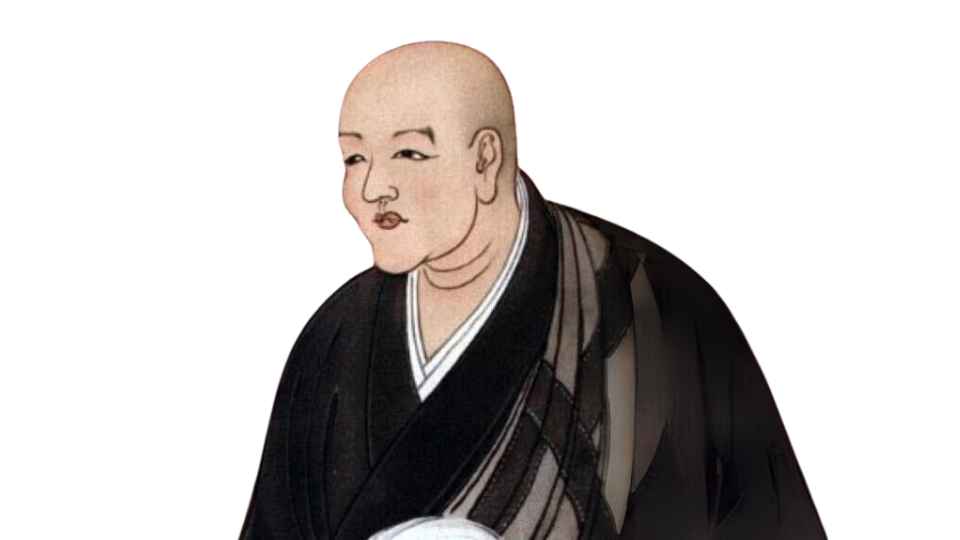
Dōgen's assertion, "This is the meaning of practice-realization," invites us to explore the profound interconnection between our actions and our understanding. In this succinct phrase, he encapsulates a core tenet of Zen philosophy: that the act of practice is not merely a means to an end but is itself a realization of truth. This perspective challenges the often dualistic view of practice as separate from enlightenment, urging us to recognize that every moment of sincere engagement is a step toward deeper awareness.
To grasp the significance of Dōgen's words, we must consider the implications of practice as a pathway to realization. In a world that often prioritizes outcomes over processes, Dōgen's teaching serves as a reminder that the journey itself holds intrinsic value. This understanding can transform our approach to spiritual practice, allowing us to embrace each moment with intention and presence, rather than viewing it as a mere stepping stone toward a distant goal.
The image / the metaphor
The phrase "practice-realization" evokes a dynamic interplay between two seemingly distinct concepts. The term "practice" suggests action, effort, and discipline, while "realization" implies understanding, insight, and awakening. Dōgen's choice of words emphasizes that these two elements are not separate; rather, they are intertwined in a continuous cycle. Each moment spent in practice is a moment of realization, and each realization deepens our practice, creating a harmonious relationship between doing and being.
In the speaker's tradition
Dōgen's teachings are deeply rooted in the Zen tradition, which emphasizes direct experience and the non-duality of practice and realization. Central to this tradition is the concept of "dharma," which refers to the teachings and the nature of reality itself. In Zen, the practice of zazen (sitting meditation) serves as a primary means of engaging with the dharma, allowing practitioners to experience the truth of their existence directly. This aligns with the idea of "kenosis," or self-emptying, where one relinquishes preconceived notions and attachments to fully embrace the present moment.
In his seminal work, "Shobogenzo," Dōgen elaborates on the relationship between practice and realization, stating that "to study the Buddha Way is to study the self." This notion resonates with the idea of "sunyata," or emptiness, which teaches that our understanding of self and reality is shaped by our experiences and perceptions. Thus, Dōgen's assertion that practice is realization invites us to engage deeply with our own experiences, recognizing that each moment of practice reveals the essence of our being.
Living the teaching
Consider a modern scenario where Dōgen's teaching can be applied: a person embarking on a meditation retreat. Initially, they may approach the retreat with the mindset of achieving a state of calm or enlightenment, viewing their practice as a means to an end. However, as they immerse themselves in the daily rhythm of meditation, they begin to realize that the act of sitting, breathing, and being present is, in itself, a profound realization. Each moment spent in stillness becomes a revelation, transforming their understanding of what it means to practice.
Another application of this teaching can be found in interpersonal relationships. Imagine a couple navigating a challenging conversation. If one partner approaches the dialogue with the intention of "winning" or proving a point, they may miss the opportunity for genuine connection. However, if both partners engage in the conversation as a practice of understanding and compassion, they may find that the act of listening and sharing becomes a realization of their shared humanity. In this way, Dōgen's insight encourages us to approach all aspects of life as opportunities for practice and realization, fostering deeper connections with ourselves and others.
A reflection
As we contemplate Dōgen's profound statement, we might ask ourselves: How can I embrace the practice of my daily life as a means of realization? This question invites us to reflect on our own experiences and the ways in which we engage with the world around us. By recognizing that each moment holds the potential for insight, we can cultivate a deeper awareness of our actions and their significance, ultimately leading us toward a more authentic and meaningful existence.


